How Meal Planning Saves Money: A Real UK Cost Breakdown
The numbers behind lower grocery bills, less food waste and fewer expensive ‘what’s for dinner?’ decisions.
Most people say meal planning saves money, then stop just before the useful bit: the maths. That is precisely the problem. You do not feel motivated by abstract promises of “saving on groceries”; you feel motivated by seeing how a £14 impulse supermarket top-up, a £24 takeaway and two wasted bags of spinach quietly turn into £200 a month.
The good news is that dinner is usually where the leaks are easiest to fix. A structured plan does not need to be joyless, rigid or weirdly spreadsheet-heavy either. Used properly, it simply stops you buying ingredients with no destination, cooking portions with no second life and ordering food because 6.45 pm arrived faster than expected. That is why tools like Eatpace are useful at the right moment: not because you need more inspiration, but because you need a week of dinners that already fits your budget, time and appetite.
70%
of UK food waste comes from households (WRAP)
£1
000
average value of food wasted per UK household each year (WRAP)
The biggest savings do not come from “shopping smarter” — they come from buying with a job for every ingredient
If your weekly shop feels random, your spending will be random too. The most expensive groceries are not premium olive oil or decent cheddar; they are the ingredients you buy with good intentions and never properly use. A £1.25 bag of spring onions, a £1.10 pack of coriander and half a tub of yoghurt do not look dramatic on the receipt, but across four shops they become the reason your budget keeps drifting.
This is where meal planning actually earns its keep. Not by making you virtuous, but by assigning every ingredient to at least two meals before it enters your trolley. If you buy a cauliflower for one curry and the rest softens in the fridge drawer, that is not frugality. If the same cauliflower becomes one tray of Aloo Gobi Curry and the remainder gets roasted for lunches or folded into Friday’s leftovers, that is a system.
A realistic UK example: say you usually spend £85 a week for two adults, but around £8 to £12 of that is made up of ingredients that never become a full meal. That is £35 to £50 a month disappearing in dribs and drabs. Most households never notice because the waste is spread across herbs, salad leaves, half-used sauces and produce bought for a recipe you never quite got round to.
The fix is to plan around overlap, not novelty. Pick three dinners that share a backbone: one leafy thing, one carb, one protein style, one sauce family. For example, lentils, rice, spinach and onions can carry you through Palak Dal Curry, a quick soup and a lunch bowl without feeling repetitive. Dal Tadka, ready in 42 minutes, is exactly the sort of recipe that makes this work because the ingredient list is ordinary, cheap and easy to repurpose. The same goes for Butter Bean Ratatouille, also ready in 42 minutes, which turns a few humble vegetables into something substantial enough for dinner and useful enough for leftovers.
If you want more dinners built around this logic, start with budget recipes rather than flashy one-off meals. The point is not culinary austerity. The point is that a £2.50 aubergine is expensive if half of it dies in the fridge, and excellent value if it feeds you twice.

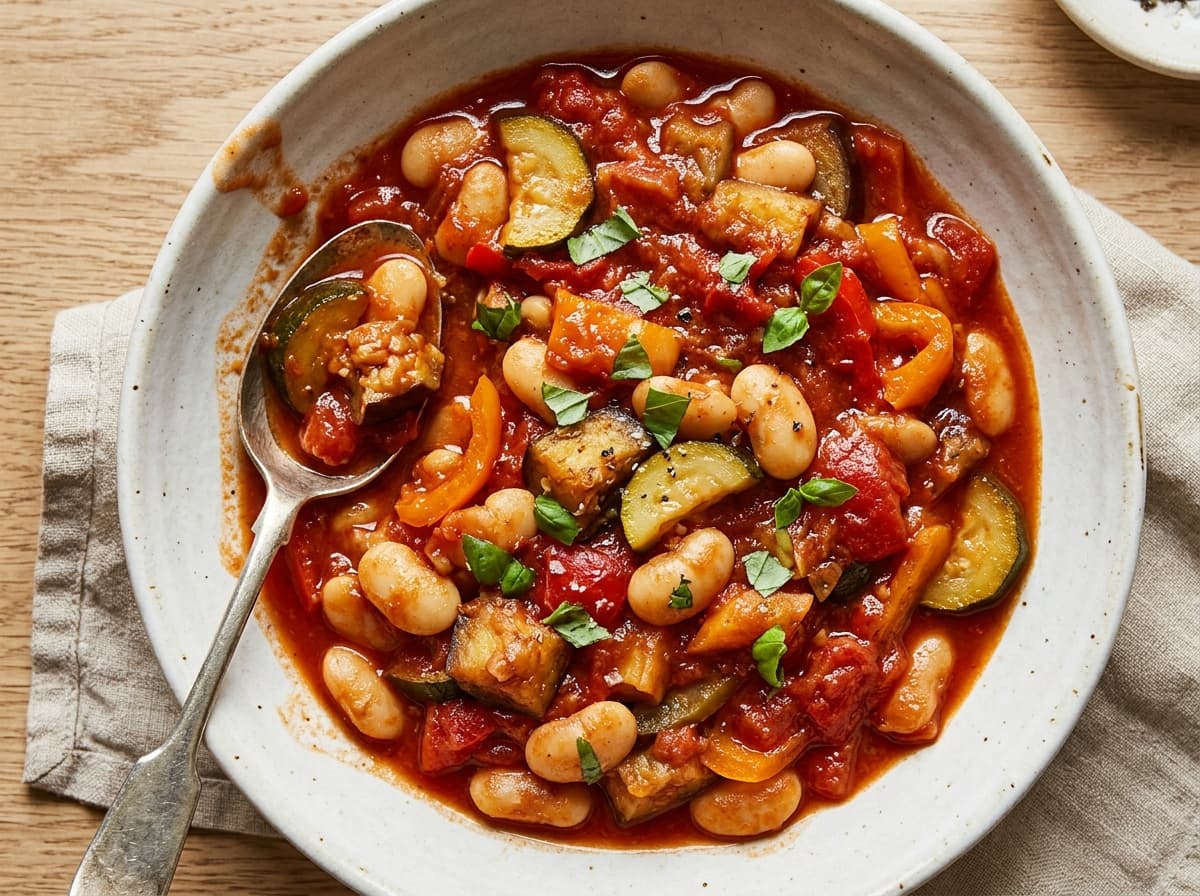
These two recipes suit a money-saving plan because they rely on low-cost staples and produce that can be reused elsewhere in the week. Aloo Gobi Curry is ready in 42 minutes, and Butter Bean Ratatouille is ready in 42 minutes, which makes them practical enough for real weeknights rather than fantasy Sundays.
Food waste is the hidden line item wrecking your grocery budget
People obsess over whether to shop at Aldi or Tesco, then ignore the far bigger issue: what ends up in the bin. WRAP’s research is blunt on this. UK households waste an enormous amount of edible food, and the financial cost is not theoretical. If the average household is wasting around £1,000 worth of food a year, then even cutting that by a quarter is worth about £250 annually. For many households, that is the equivalent of several weeks of dinners.
The trick is to stop treating leftovers as accidental. Leftovers should be designed in from the start. There is a big difference between “we happened to have some left” and “Wednesday’s dinner was always meant to produce Thursday’s lunch and one freezer portion”. The second version saves money because it changes how much you buy and how confidently you cook.
Batch cooking gets dismissed as boring because people imagine endless vats of indistinct chilli. In practice, it is one of the cleanest ways to reduce food waste because it gives fragile ingredients a deadline. Spinach, peppers, herbs, yoghurt and open cartons of stock all become cheaper the moment they are committed to a planned second use. Batch cooking recipes work best when they are things you would willingly eat twice, not dishes you are forcing yourself to “be good” about.
Spanakopita Pie, ready in 65 minutes, is a good example. It uses spinach in serious volume, bakes well, slices cleanly and survives a second meal without feeling like leftovers in the sad sense. Pork & Fennel Meatballs, ready in 42 minutes, are even more useful financially because they freeze well in portions. That means one cooking session can replace a future convenience purchase when you are tired and tempted to spend £18 on a midweek delivery.
Here is a realistic monthly saving pattern for a couple:
That is why meal planning beats reactive shopping. It gives perishable food a route out of your fridge before it becomes compost.

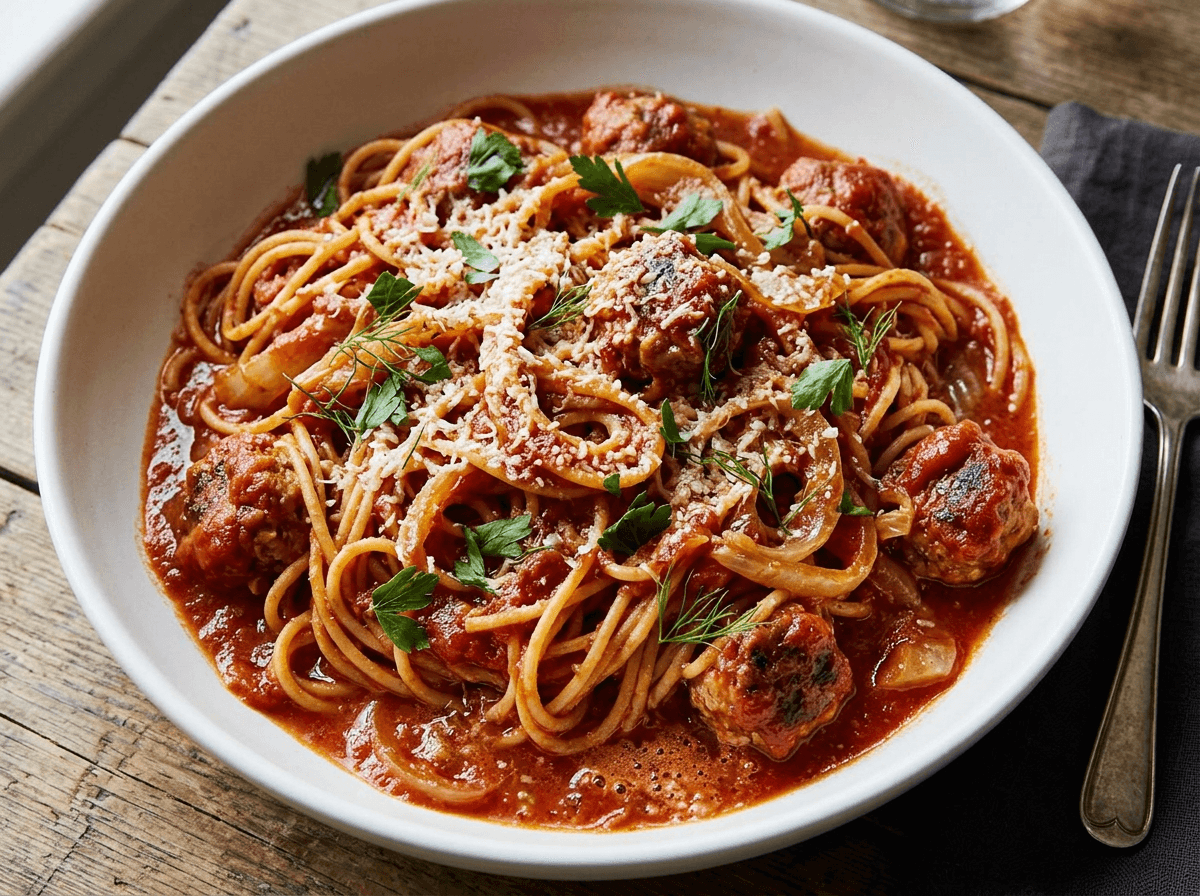
These are not the very cheapest dinners in isolation, but they are excellent value over several meals because both recipes stretch well beyond one sitting. That is where batch cooking starts saving real money rather than just producing a heroic amount of food.
The expensive part of dinner is usually the panic purchase, not the planned meal
Most overspending happens after 5 pm. You are tired, everyone is hungry, there is no clear plan and suddenly a £3.75 “I’ll just grab something extra” supermarket stop turns into £14.60. Add a takeaway once a week and the economics become brutal very quickly.
Let us put real numbers on that. If one household orders a modest takeaway every Friday at £24, that is roughly £96 a month. If they also do two emergency mini-shops a week averaging £11 each because dinner ingredients are missing, that is another £88 a month. Together, that is £184 spent not on enjoyable food choices, but on disorganisation.
A proper meal plan cuts this because it removes decision points. You already know what Tuesday is, what can be swapped if you finish work late, and which meal is the “low-energy fallback”. This is the overlooked trick: your cheapest dinner is not always the one with the lowest ingredient cost. It is often the one that prevents a takeaway.
That is why quick, reliable meals matter disproportionately in a budget plan. Crispy Tofu Pad See Ew, ready in 30 minutes, earns its place not just because tofu is affordable, but because it is fast enough to beat the delivery app. Chorizo Red Pepper Orzo, ready in 28 minutes, works for the same reason. It is one pan, high comfort, and far cheaper than defaulting to restaurant pasta plus delivery fees.
If you want a pool of dinners built for this exact moment, browse quick dinner recipes or easy dinner recipes. The best budget meal is often the one you can still face cooking when your brain has packed up for the day.
This is also where a personalised planner can genuinely help. Eatpace lets you build a week around your actual time and cooking energy, then swap any meal instantly if the original plan no longer fits. That sounds small, but it is exactly how you avoid the expensive domino effect of one derailed evening.

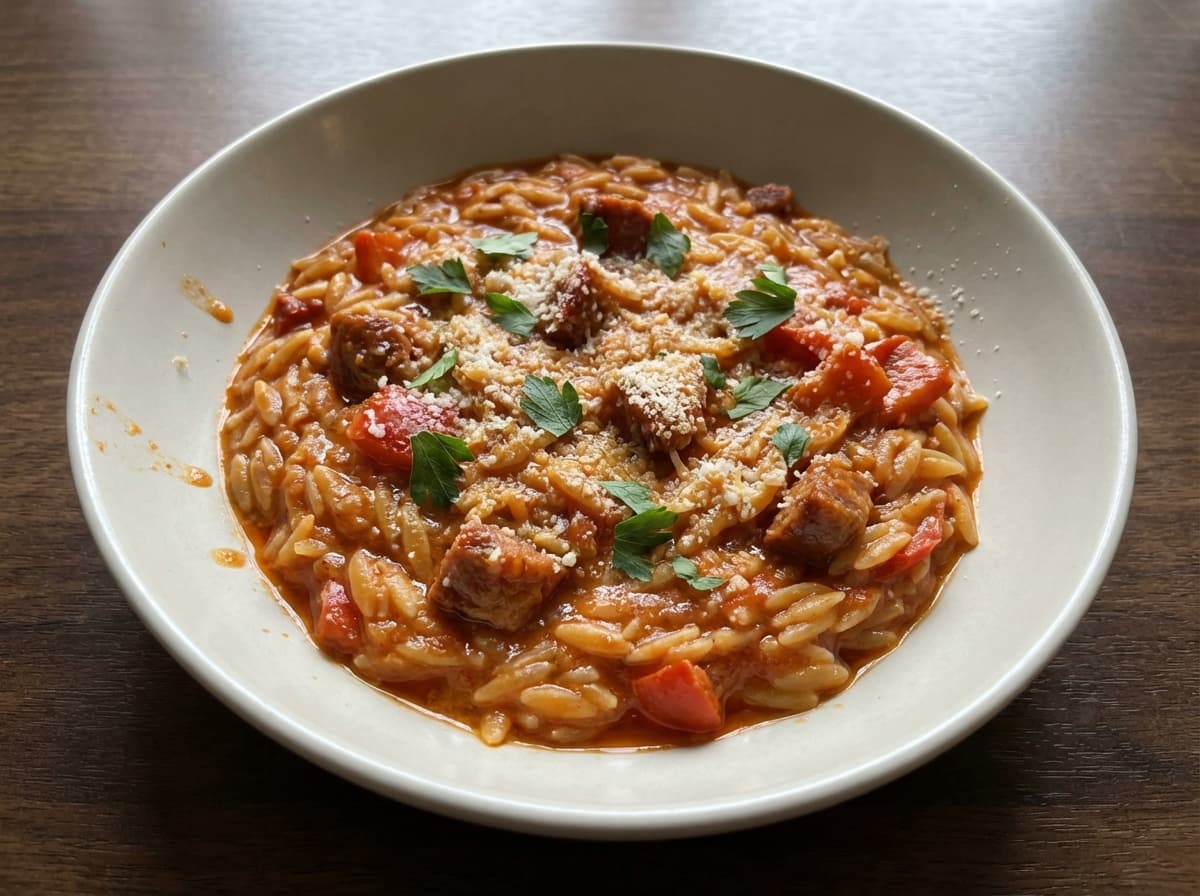
Both recipes are strong budget choices because they are fast enough to replace an impulse takeaway and use familiar supermarket ingredients. Crispy Tofu Pad See Ew is ready in 30 minutes, while Chorizo Red Pepper Orzo is ready in 28 minutes.
A cheaper weekly shop is not the goal — a lower cost per eaten meal is
This is the number most people never calculate, and it is the one that matters. Your grocery bill alone tells you very little. The useful figure is cost per meal actually eaten. If you spend £90 on groceries, waste £10 of them and still buy one £24 takeaway, your real weekly food cost is £114. If that covers 10 dinners and lunches between two people, you are paying £11.40 per eaten meal. That is not a bargain just because the supermarket receipt looked respectable.
Now compare that with a planned week. Say you spend £78 on groceries, waste only £4, and avoid the takeaway because Friday is already covered by leftovers or a quick dinner. Your total is £82. If that produces the same 10 eaten meals, your cost per meal drops to £8.20. Across a month, that difference is about £128. That is a serious saving, and it comes from systems rather than coupon-level penny pinching.
The practical way to do this is to give each week a financial shape. One low-cost staple dinner, one batch cook, one fast fallback, one higher-cost meal you genuinely look forward to, and one leftovers night. That mix is far more realistic than trying to make every dinner aggressively cheap. People abandon strict budget plans because they are dreary. They stick to plans that include one meal that feels like a treat.
A smart example might be using Dal Tadka early in the week, then a batch-cooked tray, then a quicker noodle or orzo dish later on. You are not aiming for deprivation. You are balancing average spend. A £3-per-portion dinner and a £6-per-portion dinner can coexist perfectly if the expensive one stops you ordering a £24 takeaway.
This is why Eatpace’s approach makes sense for busy households: after a quick taste calibration, you tap “Create my week” and get dinners matched to your preferences, time and skill level, plus an automatic shopping list. That matters because a budget only works when the plan is easy enough to follow on an ordinary Wednesday.
One final point: stop judging value by ingredient glamour. Beans, lentils, pasta, eggs and frozen spinach are not compromise foods. They are the backbone of households that eat well for less.
The simplest way to save £50 to £150 a month is to fix dinner first
You do not need a total financial overhaul to save money on food. You need to stop dinner being improvised. That is where the highest-value decisions happen, because dinner is the meal most likely to trigger a takeaway, an emergency shop or a wasteful overbuy.
For a single person, the saving might look like this: £4 a week less in wasted produce, £10 saved by replacing one takeaway, and £6 saved by turning one recipe into two nights of food. That is £20 a week, or roughly £80 a month. For a couple or family, the number climbs quickly because takeaways and duplicate purchases cost more.
A sensible target for most UK households is not “halve the grocery bill”. It is to shave 10 to 20 per cent off total monthly food spending without feeling deprived. On a £500 monthly food budget, that is £50 to £100. On a £700 budget, it is £70 to £140. Entirely achievable — but only if you treat planning as a money tool rather than a vague lifestyle habit.
The best method is brutally simple. Build your week around five dinners maximum, not seven. Leave one night for leftovers and one for something ultra-flexible like eggs, soup or freezer portions. That single decision reduces overbuying immediately because you stop shopping for a fantasy version of yourself who cooks from scratch every night.
If you want the easiest version of this, use a planner that does the heavy lifting. Eatpace can generate a personalised dinner week, let you swap meals if your schedule changes, and create the shopping list automatically. That is useful because the money-saving part of meal planning is not the planning itself; it is following through when life gets messy.
The bottom line is straightforward. Meal planning saves money through three measurable routes: fewer wasted ingredients, fewer panic purchases and fewer takeaways. Once you track those properly, the savings stop sounding aspirational and start looking like what they are — pounds you were already spending, just more carelessly than you realised.
How much should a weekly grocery budget be for two adults in the UK?
Does batch cooking really save money if you get bored of leftovers?
What is the fastest way to cut food waste without tracking every ingredient?
Can meal planning still save money if I work different shifts every week?
Is it cheaper to cook from scratch every single night?
In this article
Plan your week in 30 seconds
Eatpace generates a personalised dinner plan for you. Free to try.
Download the app