How to Stop Ordering Takeaway Every Night Without Willpower
A system-first way to cut nightly takeaway by making dinner the easiest decision you make all day.
If you order takeaway most nights, you do not have a motivation problem. You have a 6.30 pm problem. You’re tired, mildly hungry, staring at an empty fridge, and your brain quite reasonably chooses the option with the fewest decisions.
That is why “just be more disciplined” is useless advice. The real fix is to make home dinner easier than opening Deliveroo. Once the friction shifts, the habit shifts too. That is the entire game.
A good weekly dinner system does exactly that. Apps like Eatpace are built around this idea: remove the nightly decision, generate a realistic plan, and make swapping easy when life changes. But whether you use an app or a notebook, the principle is the same — stop asking yourself to invent dinner from scratch every evening.
Treat takeaway as a default setting, not a guilty pleasure
The fastest way to stop ordering takeaway every night is to stop moralising it. Takeaway is not proof that you are chaotic or bad with money. It is what happens when convenience beats preparation by about three taps.
Most people think the danger moment is when they place the order. It isn’t. The danger moment is much earlier: when you leave work without knowing what dinner is, when the fridge contains half a cucumber and a heroic amount of condiments, or when every recipe you saved last week suddenly feels too effortful. By the time you open an app, the decision is already made.
So stop building your week around aspiration. Build it around your most depleted self. If Tuesday is always a late one, Tuesday needs a dinner with almost no cognitive load. Not a project. Not “something healthy-ish with whatever’s in”. A proper default.
This is why certain meals are dramatically better than others for breaking the takeaway loop. You want dinners that feel like a replacement, not a compromise. A bowl of toast and eggs might be cheap, but it rarely scratches the same itch as noodles, curry or rich pasta. If your home dinner feels punishing, takeaway keeps its glamour.
The trick is to identify your takeaway category, not just the spend. Do you order creamy curries? Crispy salty noodles? Big comforting pasta? Once you know the pattern, you can build a home version that hits the same notes. Browse comfort recipes the way you’d browse a takeaway menu: looking for texture, richness and familiarity, not abstract virtue.
For example, Chorizo Carbonara is ready in 25 minutes and delivers exactly the sort of salty-fatty comfort that often sends people towards pasta delivery. Thai Basil Beef Stir-Fry is ready in 26 minutes, which matters because speed is part of the craving. If a home dinner takes 55 minutes on a Wednesday, it is not competing with takeaway; it is losing politely.
Build a low-friction dinner system that survives tiredness
A workable anti-takeaway system has three tiers. Not seven meal-prep containers, not a colour-coded spreadsheet, and definitely not a Sunday that disappears into admin. Three tiers is enough.
Tier one is your emergency dinner list: five meals you can make almost on autopilot. These should use ingredients you actually keep around, not fantasy pantry items like pomegranate molasses you bought for one Ottolenghi phase in 2022. Think noodles, orzo, dal, stir-fry, loaded rice bowls. If you need ideas, budget recipes are useful here because they tend to rely on repeat ingredients rather than one-off shopping.
Tier two is your planned anchors: two or three dinners each week that genuinely suit your schedule. One should be your busiest-night meal. One should create leftovers. One can be the fun one. This is where people often overcomplicate things. You do not need seven distinct masterpieces. You need enough structure that Thursday doesn’t become an expensive panic.
Tier three is your escape hatch: a sanctioned backup that is still cheaper and easier than takeaway. Frozen dumplings with greens. Soup and grilled cheese. A supermarket pizza improved with extra mozzarella, sliced onions and chilli oil. The backup matters because the all-or-nothing mindset is what sends people straight back to delivery.
Here’s the practical version:
This is also why automated planning works better than motivation. When Eatpace generates a week based on what you actually like and how much time you have, it removes the most exhausting part: choosing. You can still swap meals, but you are swapping from a decent option, not from a blank page.
A few recipes fit this system particularly well because they mimic takeaway satisfaction without demanding much from you. Crispy Tofu Pad See Ew is ready in 30 minutes and feels like a proper Friday-night noodle order, not a worthy substitute. Palak Dal Curry is ready in 42 minutes, cheap to make, and even better the next day — exactly the sort of meal that lowers your cost-per-dinner without feeling austere.
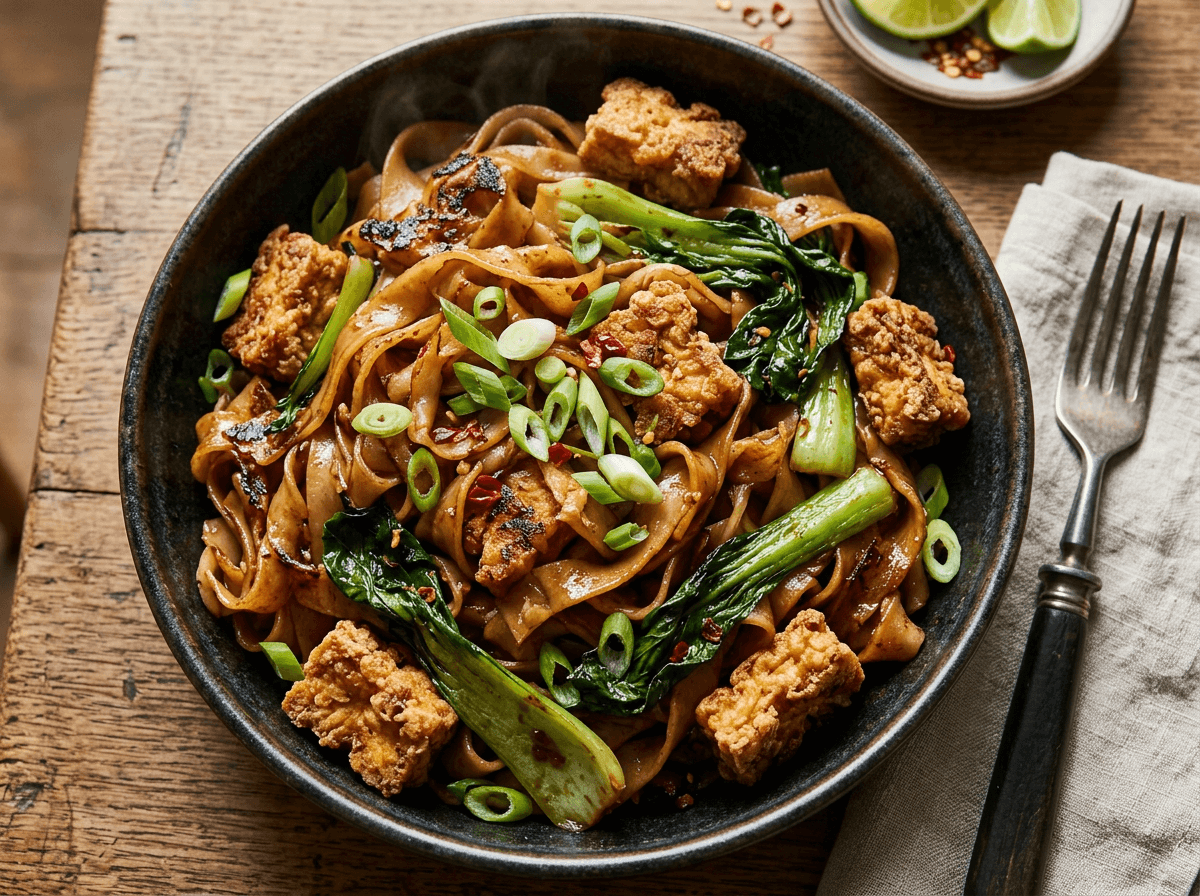
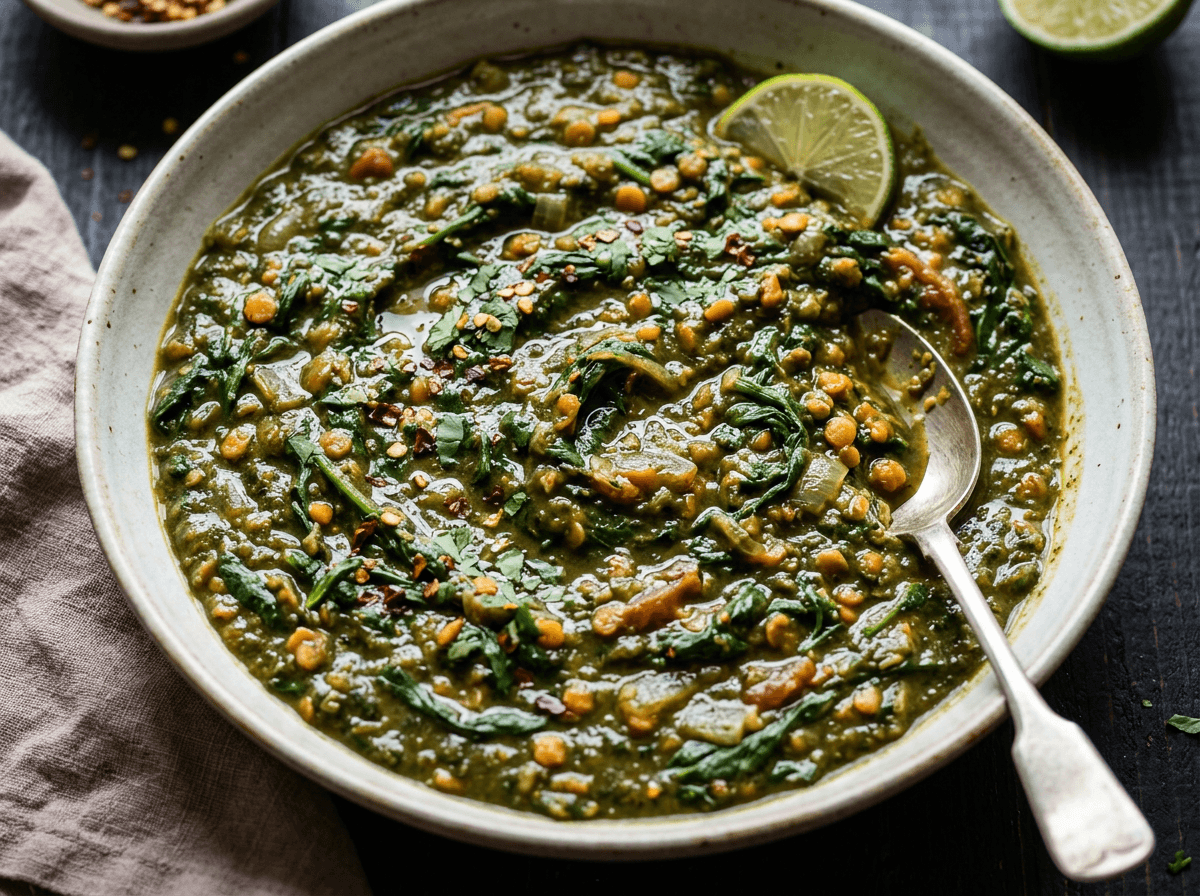
These work because they solve two different problems: one gives you instant gratification, the other gives you repeat value. A good dinner system needs both.
Make home food feel as rewarding as takeaway
People do not order takeaway purely for convenience. They order it because takeaway is engineered to feel decisive: bold flavours, obvious pleasure, no fiddly side tasks. If your home cooking is all restraint and virtue, it will never win.
So steal the structure of takeaway meals. Contrast is what makes them satisfying. You want something saucy plus something sharp, something soft plus something crisp, something rich plus heat or acid. This sounds chefy, but it is mostly about finishing well. A squeeze of lime, a spoon of yoghurt, spring onions, chilli crisp, pickled onions, crushed peanuts, a fried egg — these are small additions that make dinner feel complete rather than assembled.
The common mistake is spending 45 minutes cooking and 0 seconds finishing. That is why homemade dinners can taste flat even when the recipe is sound. Keep a “takeaway finish” shelf: soy sauce, chilli oil, crispy onions, toasted sesame seeds, lemon, coriander, garlic yoghurt, mango chutney. One final hit of salt, acid or crunch can make a £3.50 bowl feel like a £14 order.
Portioning matters too. Takeaway is generous, and generosity is part of the appeal. If you serve a tiny bowl of curry and call it a night, you will be in the biscuit tin by 9 pm. Cook enough rice. Warm the plates. Put things in bowls rather than leaving them in pans. Presentation is not vanity here; it is appetite management.
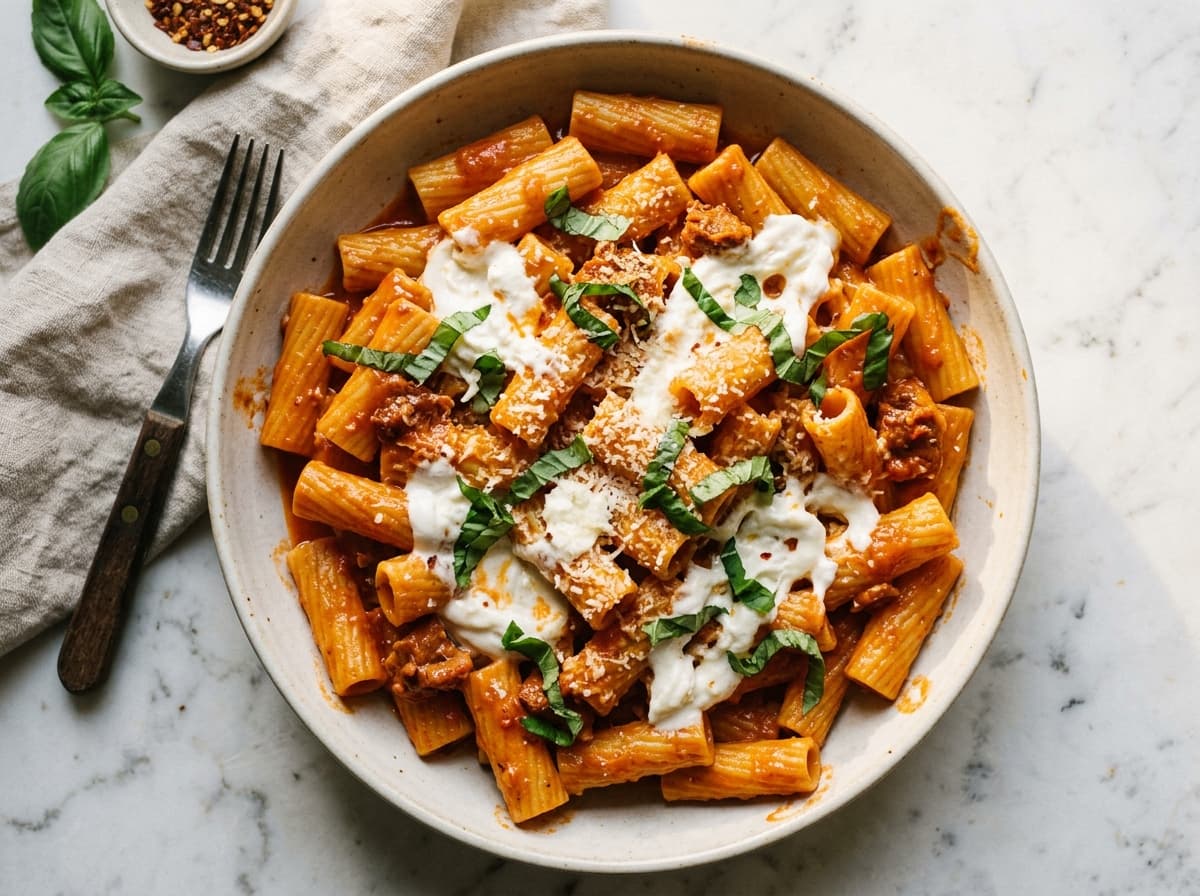
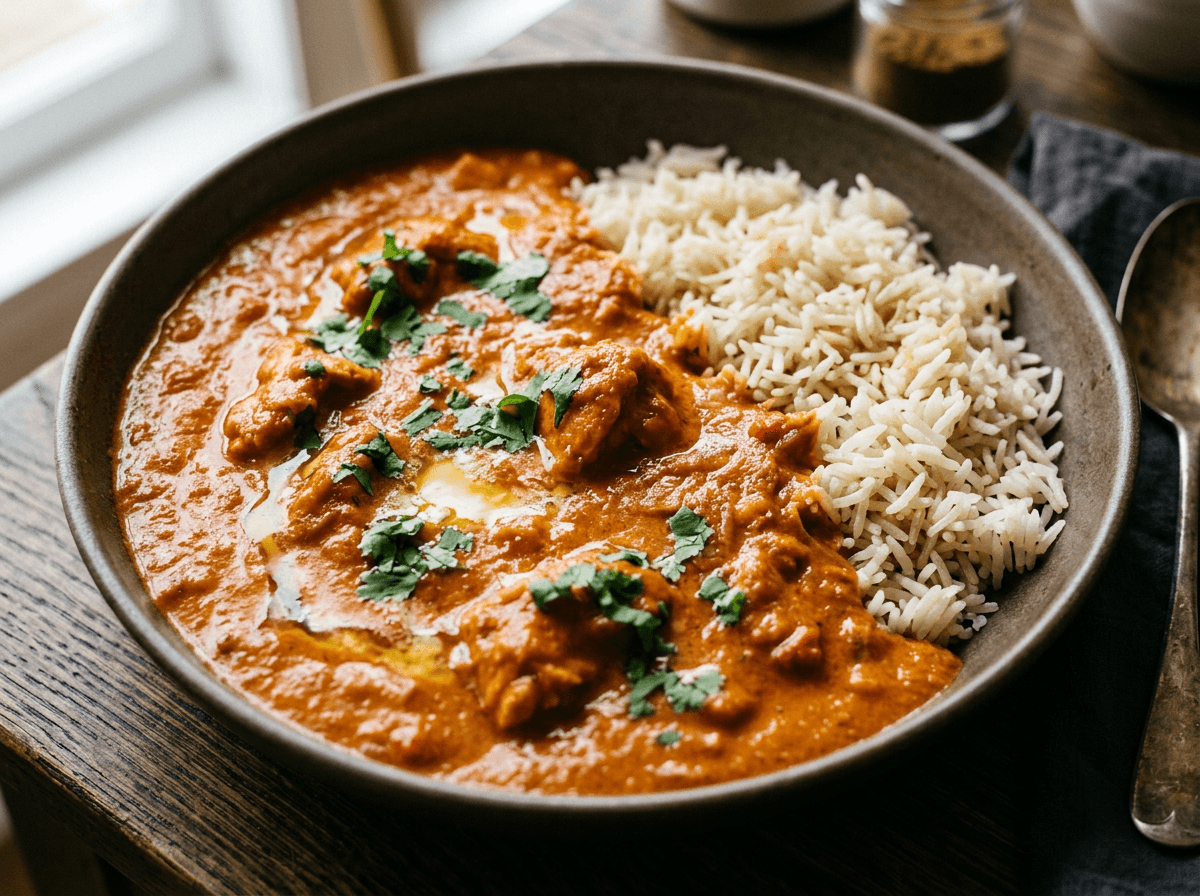
For people who habitually order rich comfort food, proper replacements matter. Nduja Burrata Rigatoni is ready in 28 minutes and absolutely understands the brief: fast, indulgent, no apology. Butter Chicken Curry is ready in 42 minutes and lands in the same emotional territory as a Friday-night Indian order, especially if you serve it with plenty of rice and something cold and sharp on the side.
If you want more ideas in this lane, start with comfort recipes rather than “healthy swaps”. The point is not to punish yourself out of takeaway. The point is to make staying in feel like a win.
There is also a money angle people miss: expensive ingredients are often cheaper than takeaway if they stretch across several meals. A tub of Greek yoghurt, a jar of chilli crisp or a bunch of coriander can transform three dinners in a week. That is far better value than paying delivery fees, service fees and inflated menu prices for one meal that arrives lukewarm.
Use money friction and shopping friction to your advantage
If you want to stop ordering takeaway every night, make takeaway slightly more annoying and your kitchen slightly more obvious. Tiny bits of friction work far better than grand promises.
Start with payment friction. Remove saved cards from delivery apps. Yes, really. If you have to fetch your wallet, enter the number, and look at the total properly, some impulse orders die on the spot. Another useful trick is to move the apps off your home screen and into a folder called “£18 noodles”. It sounds silly, but naming the cost changes the emotional temperature.
Then create positive friction in your kitchen. Put your easiest dinner ingredients at eye level. Keep noodles, microwave rice, tins of tomatoes, lentils, frozen peas, flatbreads and a decent pasta shape where you can see them immediately. The back of the cupboard is where good intentions go to die.
Do not shop for recipes; shop for components that can become several dinners. A roast chicken can become gyros-style bowls, fried rice and soup. A pack of mince can become stir-fry, meatballs or loaded baked potatoes. One tray of roasted onions and peppers can rescue wraps, pasta and grain bowls. This is the opposite of the internet’s obsession with buying 17 ingredients for one “easy” dinner.
A practical weekly basket for anti-takeaway cooking looks like this: one fast protein, one slow protein or plant-based batch option, two carb bases, two flavour boosters, one crunchy fresh thing, one backup freezer item. That structure gives you range without waste.
For instance, Butter Bean Ratatouille is ready in 42 minutes and turns a few cheap vegetables and beans into something generous enough for multiple meals. Vietnamese Spring Roll Bowl is ready in 27 minutes and is ideal for the night you want something bright, fast and inexpensive rather than another overpriced lunch-for-dinner order.
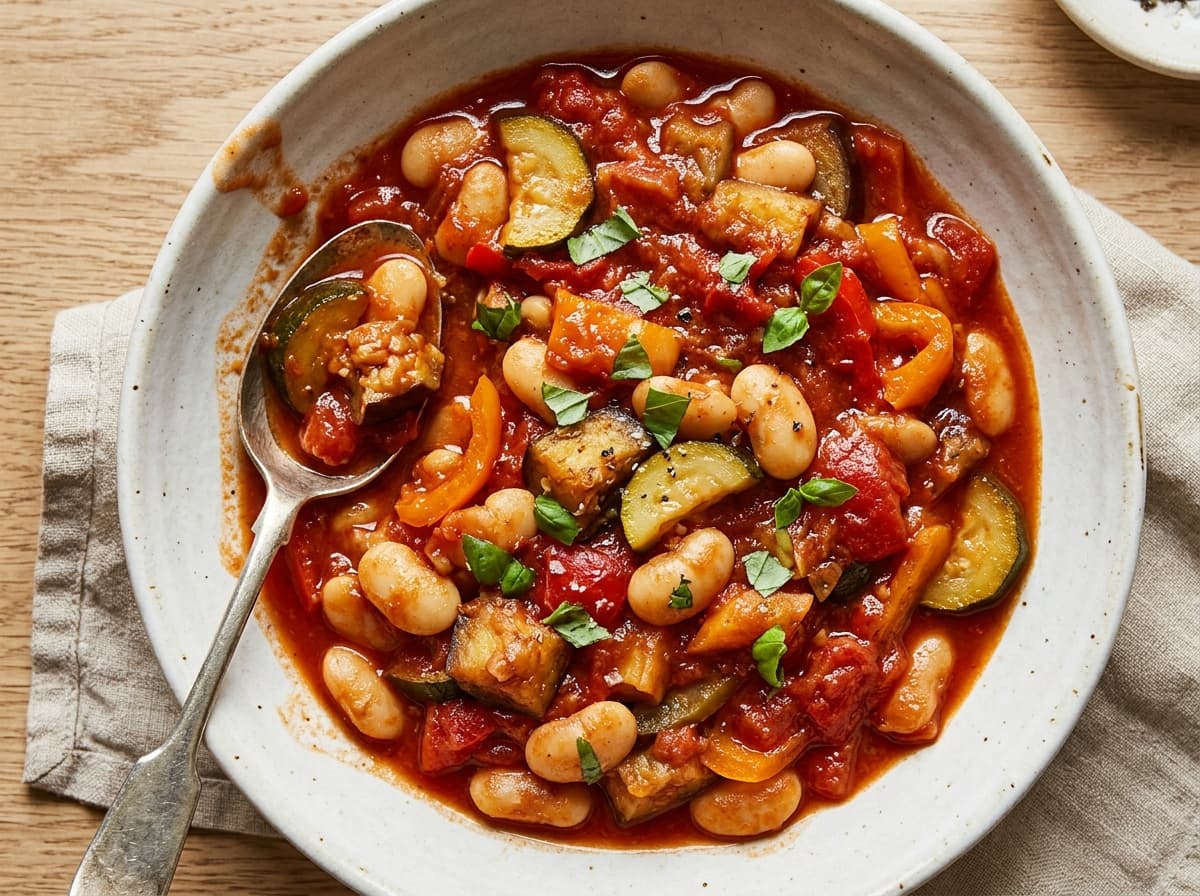
Butter Bean Ratatouille
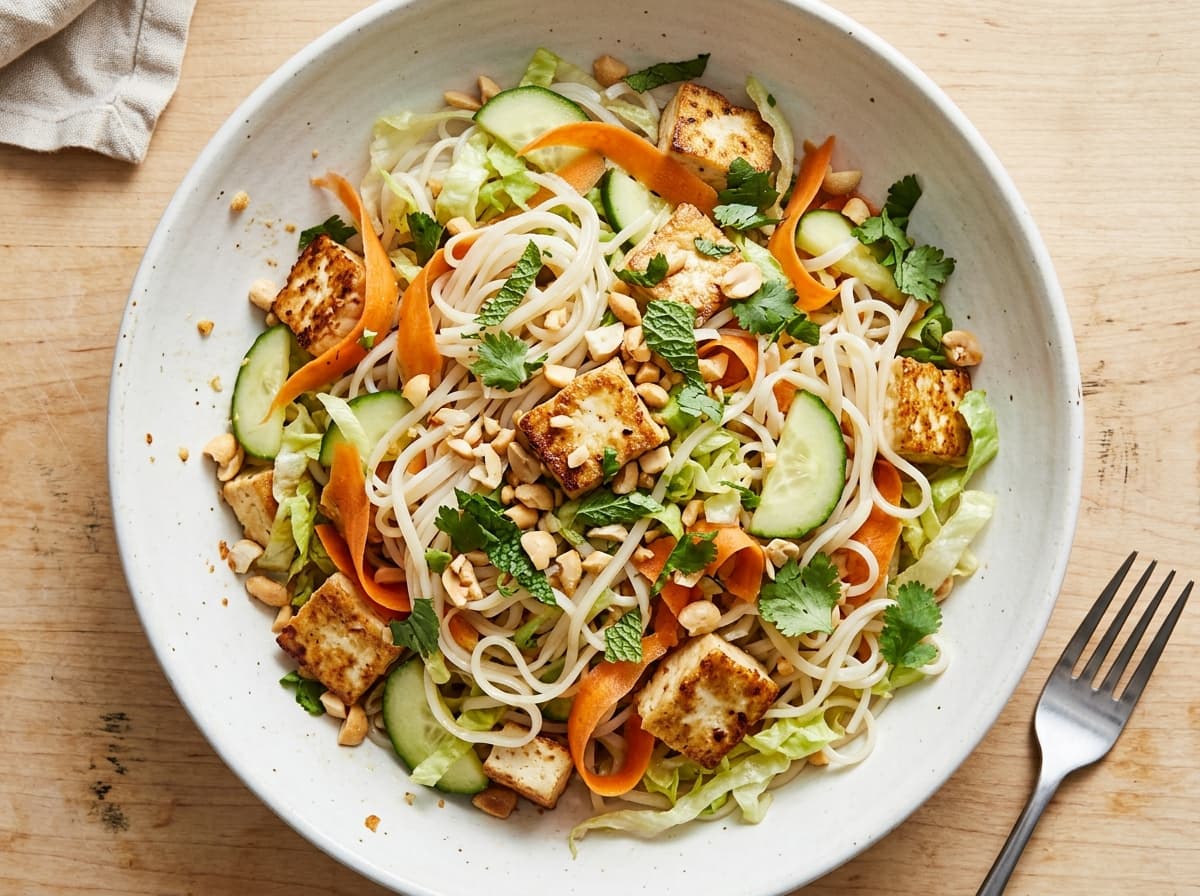
Vietnamese Spring Roll Bowl
These are useful not because they are saintly, but because they are strategic. One stretches your budget across several portions; the other gives you a quick route to a dinner that still feels fresh.
If you want this to become automatic, use one planning trigger each week. Same time, same prompt. Sunday at 11 am with coffee. Friday on the train home. Whenever it is, keep it fixed. Eatpace leans into this nicely with a quick taste calibration and a “Create my week” flow that removes the blank-page problem, then auto-generates the shopping list from your chosen dinners. That is exactly the kind of boring infrastructure that keeps expensive habits from creeping back in.
Break the nightly loop by designing for the week you actually have
The biggest reason anti-takeaway plans fail is that they are built for an imaginary week. In that imaginary week, you finish work on time, feel oddly energised on Thursdays, and are delighted to chop vegetables for 40 minutes. In your real week, one day runs late, one day you are knackered, and one day you want comfort immediately.
So map dinners to energy, not just dates. Put your easiest meal on the day you are most likely to wobble. Put your batch cook before the busiest run of the week, not after it. If Wednesday is chaos, cook something on Tuesday that gives you a second portion on Wednesday. This sounds obvious, but most people still assign meals by fantasy rather than fatigue.
You should also retire the idea that variety is always good. Too much variety creates more shopping, more half-used ingredients and more tiny decisions. Repetition is a feature. If you know you love curry on Mondays and noodles on Thursdays, keep them there. Habits become easier when they have a shape.
A strong weekly rhythm might look like this: Monday comfort, Tuesday quick, Wednesday leftovers, Thursday emergency dinner, Friday fun fakeaway. That pattern is much easier to maintain than five unrelated recipes with five unrelated ingredient lists.
And when you do slip and order takeaway, do not treat it as failure. Treat it as data. What happened? Were you too hungry? Did dinner require too much prep? Were the ingredients hidden, missing or uninspiring? Fix the system, not your character.
That is the most useful mindset shift of all. You are not trying to become the sort of person who heroically resists temptation. You are becoming the sort of person whose dinner is already sorted before temptation shows up. If you want extra help with that, budget recipes and comfort recipes are the two category pages worth bookmarking first: one keeps cost down, the other keeps dinner desirable.
When your week has shape, takeaway stops being the default and becomes what it should be: an occasional pleasure, not a nightly reflex.
How do I stop ordering takeaway when I get home late from work?
Is meal planning actually better than relying on willpower?
What’s the cheapest way to replace takeaway without eating boring food?
Can I break a takeaway habit if I hate batch cooking?
Why do I crave takeaway even when I have food at home?
In this article
Plan your week in 30 seconds
Eatpace generates a personalised dinner plan for you. Free to try.
Download the app