Weekly Meal Planning: A Complete Guide for Real Life
How to build a dinner plan that survives decision fatigue, picky eaters and the inevitable Wednesday wobble
If your weekly meal planning routine keeps collapsing halfway through the week, the problem usually is not discipline. It is design. Most people build a plan for their best self: the organised version who leaves work on time, happily chops onions at 6.30pm and never gets blindsided by a tired child, a late meeting or the sudden inability to decide what to cook.
A useful plan has to survive your worst Tuesday, not your most aspirational Sunday. That means fewer decisions, more deliberate repeats, and dinners matched to the actual shape of your week. This is exactly why tools like Eatpace are useful: instead of asking you to summon endless inspiration, they turn your preferences into a realistic weekly dinner plan you can tweak fast.
Weekly meal planning starts with fewer choices, not more inspiration
The biggest mistake in weekly meal planning is treating variety as the goal. Variety is lovely in theory and exhausting in practice. If you line up seven completely different dinners with different cooking methods, shopping needs and levels of effort, you have not created a plan. You have created admin.
The fix is to cap novelty. Use the 3 new + 2 repeats rule for a five-dinner week: three meals that feel interesting enough to stop boredom, two meals you could cook half-asleep. The repeats do not need to be identical every week. They just need to belong to familiar categories you trust, such as a fast noodle dish, a traybake, or a one-pot pasta. This is how you cut decision fatigue without feeling trapped in a beige routine.
There is another trick most people miss: assign dinner types to energy levels, not days of the week. Monday might look free on paper and still feel grim. Wednesday might be chaos one week and strangely calm the next. Instead of saying “pasta on Monday, curry on Tuesday”, label meals as low-focus, medium-effort and weekend-capable. Then drop them into the week once you know what your energy is doing.
A low-focus dinner should contain no fragile timing and no more than one active cooking task. Chorizo Carbonara is a perfect example because it is ready in 25 minutes and relies on ingredients that do not require much persuasion. Thai Basil Beef Stir-Fry is ready in 26 minutes and works when you want something fast that still tastes like a proper dinner rather than a compromise.

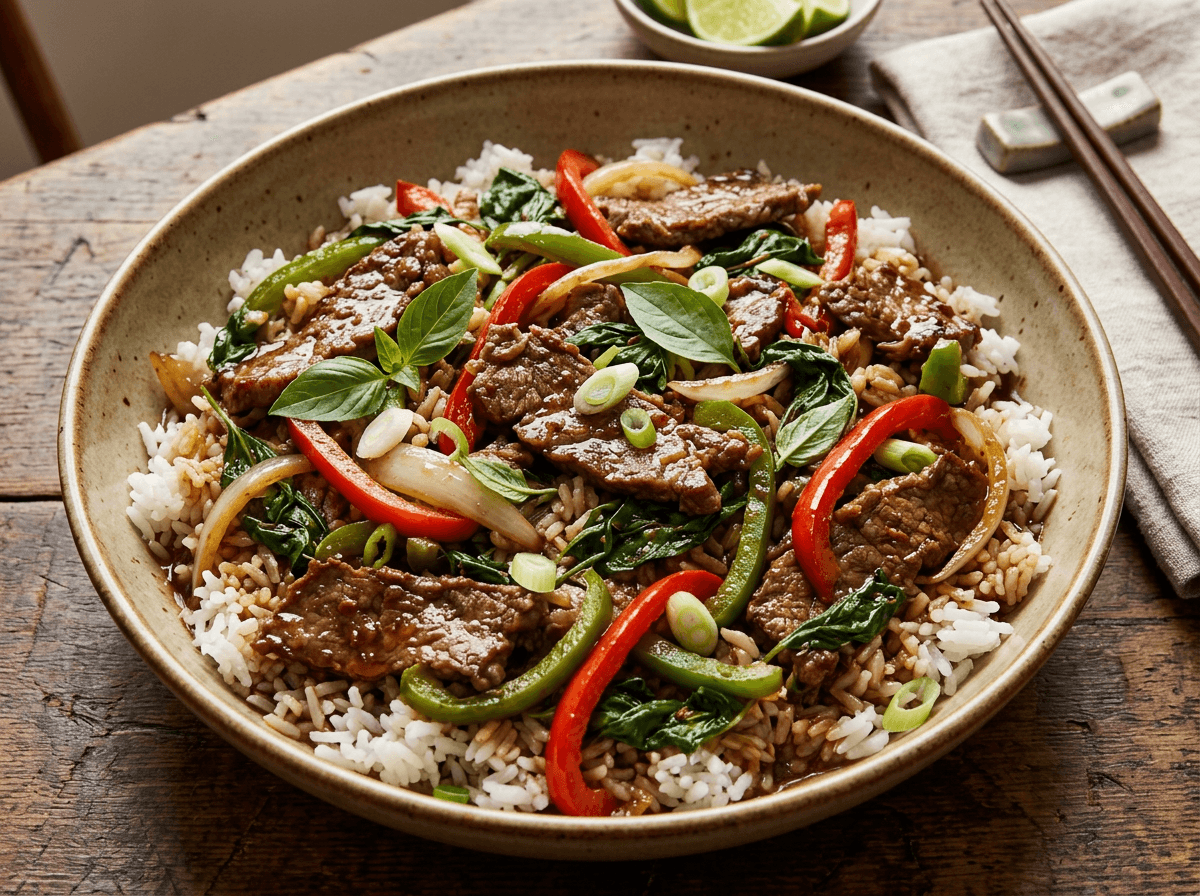
These are the kind of meals that rescue a week because they ask very little of you. If you want more of that category, browse easy dinner recipes and quick dinner recipes and notice how often the winning meals are built around one pan, one sauce, or one dominant flavour.
One more rule worth stealing: never schedule your most perishable ingredients for the end of the week. Salad leaves, fresh herbs, fish and burrata belong in the first half. Tins, pasta, lentils, freezer staples and hard vegetables can wait. People think they abandon their plan because they are flaky. Often they abandon it because Thursday’s meal depended on coriander, spinach and motivation all surviving until Thursday.
How to meal plan when everyone wants something different
Weekly meal planning gets dramatically harder the moment you cook for more than one person. Not because people are impossible, but because most households negotiate dinner badly. One person vetoes mushrooms, another wants more protein, a child suddenly rejects anything “mixed together”, and you end up making separate meals or defaulting to the same three safe dishes forever.
The smarter approach is not compromise-by-committee. It is modular cooking. Build dinners with a common base and customisable finishes so one recipe can bend without becoming two recipes. Think bowls, flatbreads, curries with optional heat, pasta with add-ons at the table, or assembled plates where components stay distinct.
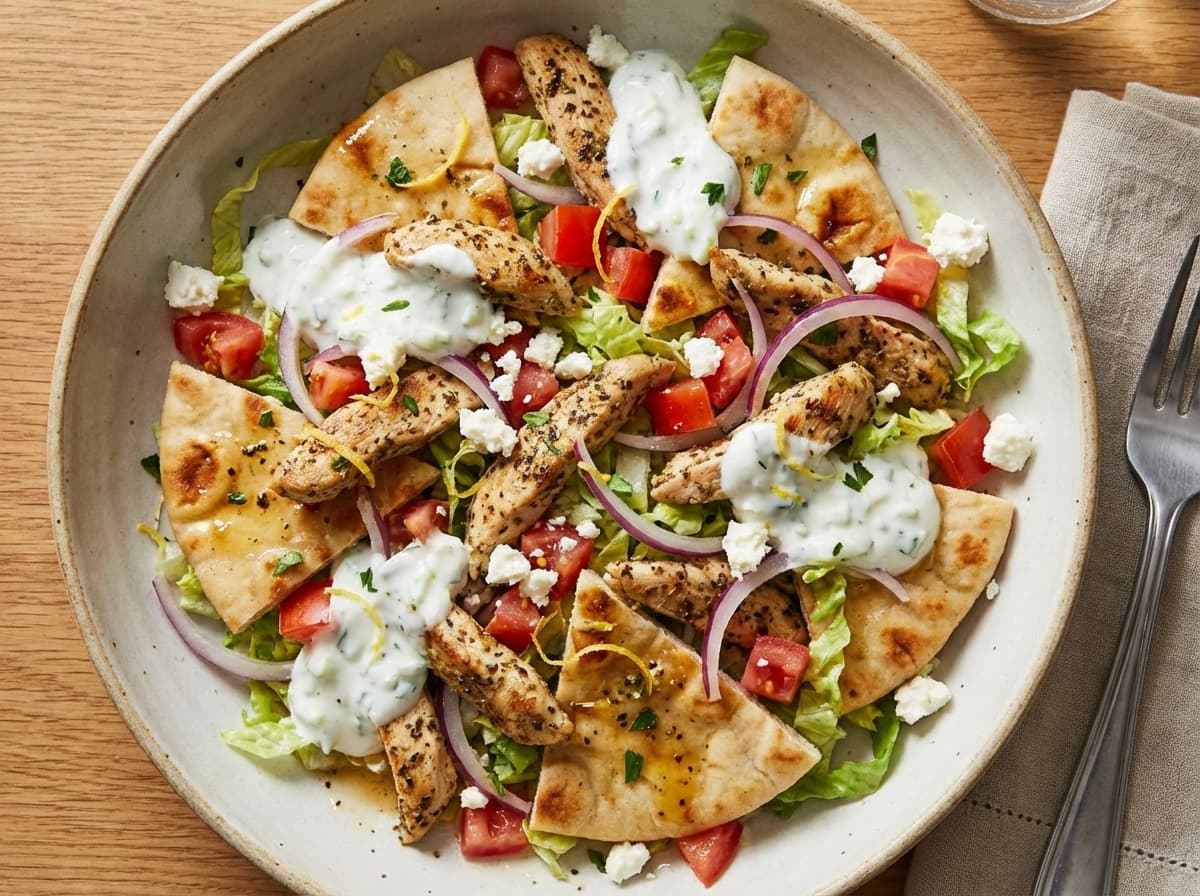
Chicken Gyros Plate is useful here because it is ready in 42 minutes and naturally splits into parts: chicken, flatbread, salad, sauce. Someone can skip the onions, another can pile on extra yoghurt, and a child can eat the chicken with plain bread and cucumber without you cooking a second dinner. The same logic applies to Korean Beef Bulgogi Bowl, ready in 30 minutes, where rice, beef and toppings can be served separately rather than forced into a single aesthetic bowl that nobody asked for.

This is where many people overcomplicate things by trying to please everyone with seven universally adored meals. That does not exist. Aim instead for “one accepted base, two optional extras”. It is a much lower bar and far more realistic.
A good household system also separates preference from principle. If someone genuinely cannot eat dairy, that shapes the plan. If someone “isn’t in the mood for rice”, that does not. Otherwise the loudest opinion wins every night. Keep a short list of absolute no-go ingredients and ignore the rest unless they come up repeatedly.
For families, comfort food is often less about indulgence than predictability. A dish like One-Pan “Marry Me” Chicken Orzo, ready in 40 minutes, works because it tastes generous and familiar while still being manageable on a weeknight. Comfort meals stop plan abandonment because nobody feels punished by the schedule. If your household responds well to that style of cooking, it is worth mining comfort recipes rather than pretending every dinner should be light, virtuous and exciting.
If you use an app-based planner, this is the point where personalisation matters. Eatpace is particularly good at matching dinners to dietary needs and skill level, then letting you swap a meal instantly if one choice is clearly going to cause domestic mutiny. That is far more useful than a rigid plan that assumes your household behaves like a test kitchen.
The reason most plans fail by Wednesday — and the fix that actually works
Mid-week abandonment is not a character flaw. It happens because most plans have no shock absorbers. They assume each evening will unfold exactly as expected, which is absurd. The answer is to build in one deliberate failure point: the Tuesday fallback.
Why Tuesday? Because Monday is often fuelled by good intentions and groceries still feel fresh. By Tuesday, reality has arrived. You are tired, the kitchen is less tidy, and the novelty of being organised has worn off. If your plan can survive Tuesday, it usually survives the week.
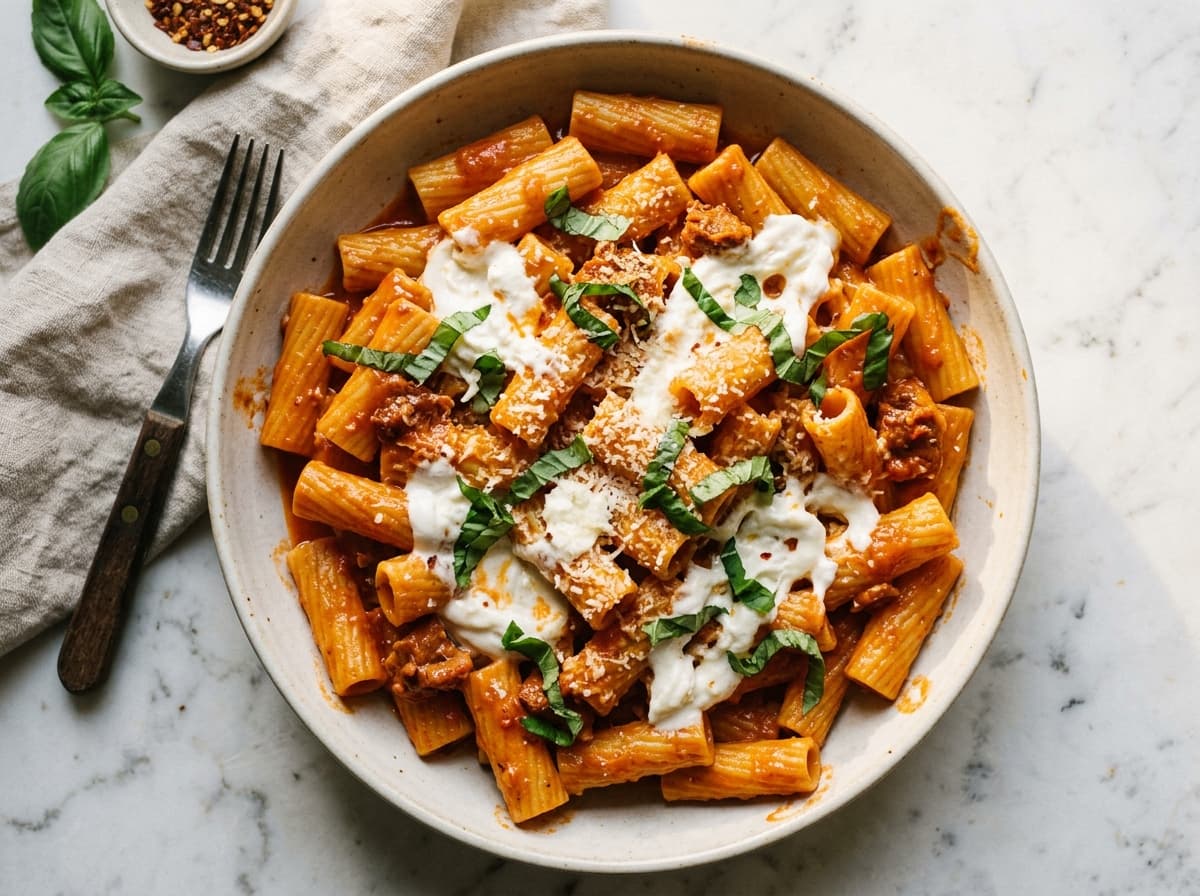
A proper fallback is not “something easy” in the abstract. It is a specific meal with ingredients you reliably keep or do not mind buying every week. Nduja Burrata Rigatoni is ready in 28 minutes and has the sort of bold, immediate flavour that can pull a week back on track. Vegetable Pad Thai is also ready in 28 minutes and gives you a meat-free option that still feels satisfying rather than saintly.

The key is psychological as much as practical. Your fallback meal should feel like a reward, not a backup generator. If it tastes second-best, you will order takeaway instead.
There is also a sequencing trick that makes a huge difference: front-load prep, not effort. In other words, use Sunday or your quietest day to do the annoying bits that create friction later, not to fully cook everything. Mix sauces. Chop onions. Marinate chicken. Grate cheese. Wash herbs and wrap them in kitchen paper. These tiny tasks remove the exact barriers that cause you to abandon a plan at 6.45pm.
Batch cooking helps, but only when you batch the right meals. A giant pot of something worthy that nobody wants leftovers of is not efficient; it is future waste. Better options are meals that improve overnight or freeze well without textural punishment. Batch cooking recipes are most useful when they can become dinner once and insurance twice.
70%
of UK food waste comes from households (WRAP)
4.7m tonnes
of edible food is wasted by UK households each year (WRAP)
That matters because plan abandonment often becomes food waste. WRAP’s household food waste figures are a reminder that “I’ll definitely cook that on Thursday” is one of the most expensive lies we tell ourselves. A realistic plan is not just calmer; it is cheaper.
A realistic first week of meal planning, with room for things going wrong
Your first week should be almost boring in its restraint. This is where people sabotage themselves by planning five ambitious dinners to prove they are now “the kind of person who meal plans”. You do not need a reinvention. You need one week that works.
Start with five dinners, not seven. Leave at least one night open for leftovers, social plans, takeaway or toast. The point of a weekly plan is not to occupy every square on the calendar. It is to reduce the number of panicked 5pm decisions.
Here is a first-week structure that works in real homes because it assumes one night will go sideways and another will need leftovers.
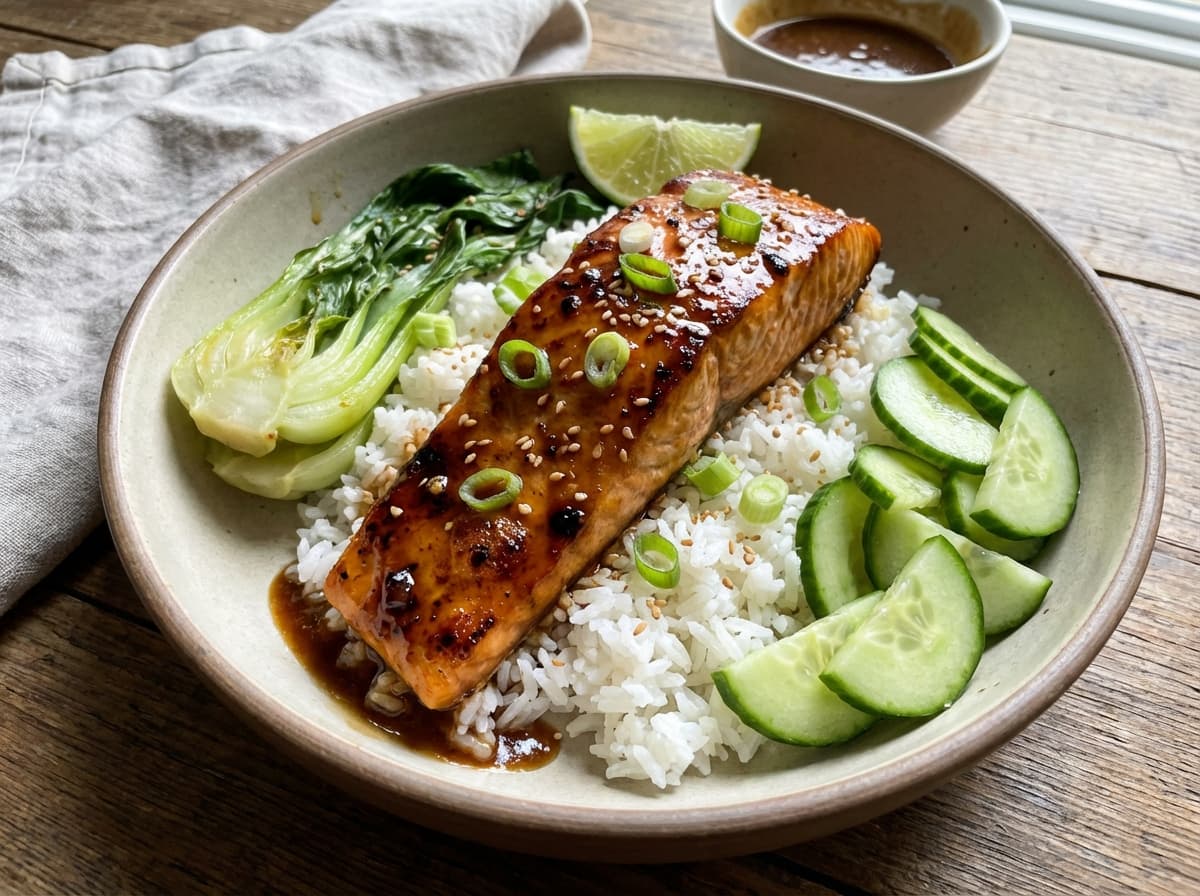
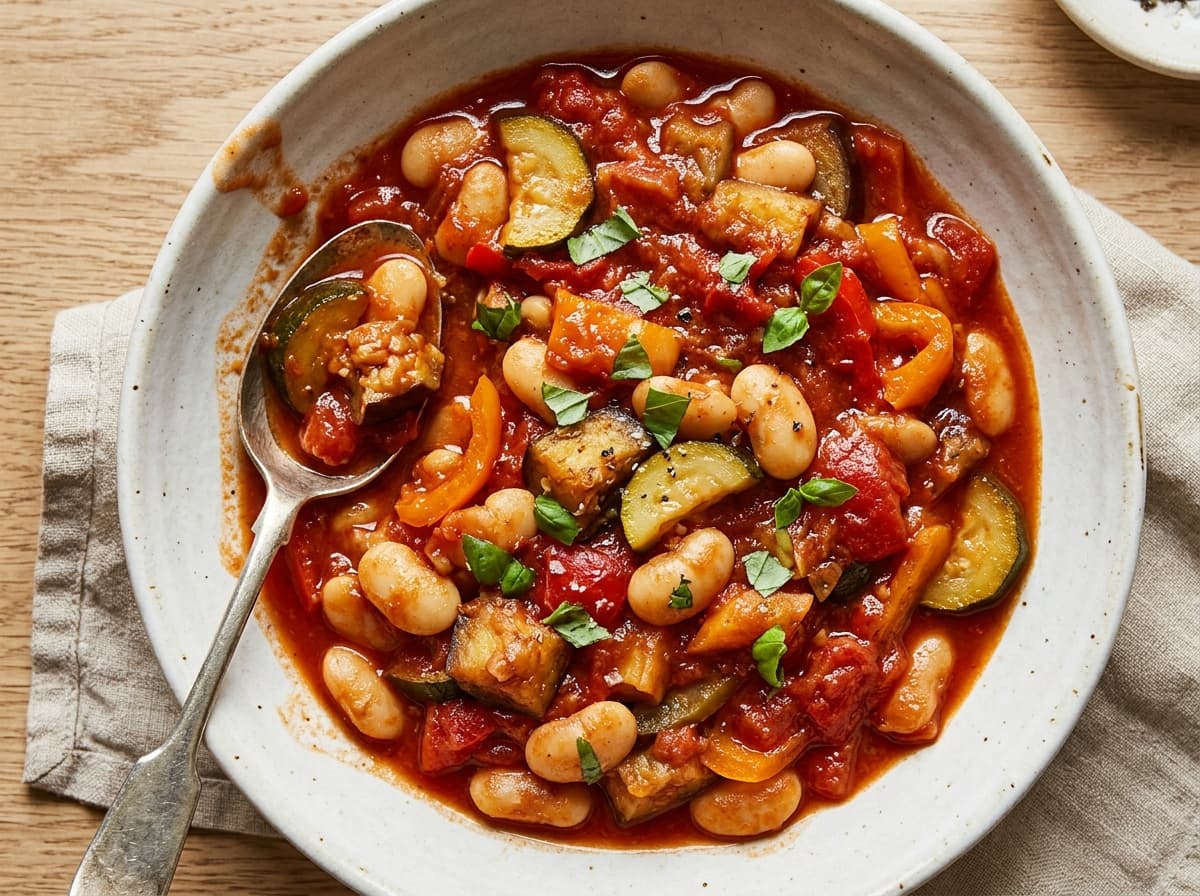
A practical example looks like this. Monday: Miso Butter Salmon Bowl, ready in 28 minutes, because it is fast and feels fresh while your shopping is still at its best. Tuesday: Chorizo Red Pepper Orzo, ready in 28 minutes, as your fallback because it is one-pot, comforting and hard to resist. Wednesday: Butter Bean Ratatouille, ready in 42 minutes, which is ideal when you want a batchable vegan dinner that can carry into lunch. Thursday: repeat the bowl or stir-fry format using whatever produce is left. Friday: leave unplanned on purpose.
These recipes work together because they do not demand a different shopping universe every night. You can overlap garlic, onions, lemons, herbs, rice and a few vegetables instead of buying twenty specialist ingredients that each appear once and then wilt in the fridge.
This is also the point where automation earns its keep. Eatpace’s “Create my week” approach is useful because it generates a dinner line-up matched to your time, diet and cooking confidence, then builds the shopping list from those recipes. That solves the most annoying part of weekly meal planning: not cooking, but the repeated micro-decisions before cooking even starts.
If you are browsing manually, keep your recipe mix honest. One easy dinner, one comfort dinner, one batchable meal, one quick rescue option. That is enough range for a normal week. You can still be the sort of person who cooks Lamb Rogan Josh, ready in 90 minutes, or Beef Rendang, ready in 100 minutes. Just do not pretend those belong on a Wednesday after parents’ evening.
How to recover when you abandon the plan halfway through the week
The most useful meal planning skill is not planning. It is recovery. Everyone eventually misses a night, changes plans, orders takeaway or discovers they cannot face the recipe they chose. The people who keep meal planning are not the people who never slip. They are the people who know how to restart without drama.
First, do not try to “catch up” by cooking the skipped recipe the next night if it no longer fits. This is how you create a traffic jam of guilt meals and dying vegetables. Reassess the fridge with brutal honesty. What actually needs using in the next 48 hours? Cook that first, even if it means abandoning the original order.
Second, convert ingredients, not recipes. If your planned curry is not happening, the chicken can become wraps, the spinach can go into pasta, the yoghurt can become a sauce, and the rice can wait. People get stuck because they think the plan has failed unless the exact recipe happens. In reality, ingredients are far more flexible than recipes.
Third, keep one freezer bridge meal at all times. Not a mysterious tub of leftovers from six months ago, but something you know you will want. Pork & Fennel Meatballs, ready in 42 minutes, or Chicken Enchiladas, ready in 60 minutes, make sense because they freeze well and still feel like dinner, not emergency rations. A bridge meal buys you one calm evening to reorganise the rest of the week.
If you hate the feeling of “wasting” planned food, remember that forcing yourself to cook the wrong meal on the wrong night is often what leads to waste. You push it back, ingredients deteriorate, and then everything gets binned on Sunday. Better to pivot early.
A simple rescue framework looks like this: cook the most perishable ingredients first, move shelf-stable meals later, and swap one planned dinner for a repeat or freezer option. That is it. No guilt, no grand reset.
One final thing: your plan should leave you with less mental clutter, not more. If yours still feels like a second job, simplify the number of dinners, repeat formats more often, and stop treating novelty as proof of success. The smartest weekly meal planning systems are almost invisible. They quietly remove friction, keep food moving through the house, and spare you the nightly question of what on earth to cook.
Can I meal plan if I work different shifts every week?
How do I meal plan when my partner will not eat vegetables?
What if I hate cooking but still want to meal plan?
How do I meal plan with dietary restrictions and still feed everyone else?
What should I do if I abandon my meal plan mid-week?
In this article
Plan your week in 30 seconds
Eatpace generates a personalised dinner plan for you. Free to try.
Download the app