Family Dinner Planning: How to Get Everyone Eating the Same Thing
Practical ways to stop cooking three separate dinners without starting a nightly argument
If family dinner planning currently means one pan for the adults, beige food for the children and a last-minute sandwich for whoever got home late, you are not failing. You are probably just using the wrong model. The answer is not finding one magical meal that every person in your house loves. It is building dinners with enough flexibility that everyone can meet in the middle.
That is exactly why so many households burn out on weeknights. You do not need more inspiration; you need a system that reduces friction. Even an app like Eatpace only works because it leans into that reality: fewer decisions, faster swaps, less nightly negotiation.
Stop aiming for universal favourites and build a “base meal” instead
The biggest mistake in family dinner planning is assuming the whole table must be equally excited about the same plate. That is fantasy. Real life is a child who hates sauce, a partner who wants more protein, and you standing at the hob wondering why dinner has become a customer service role.
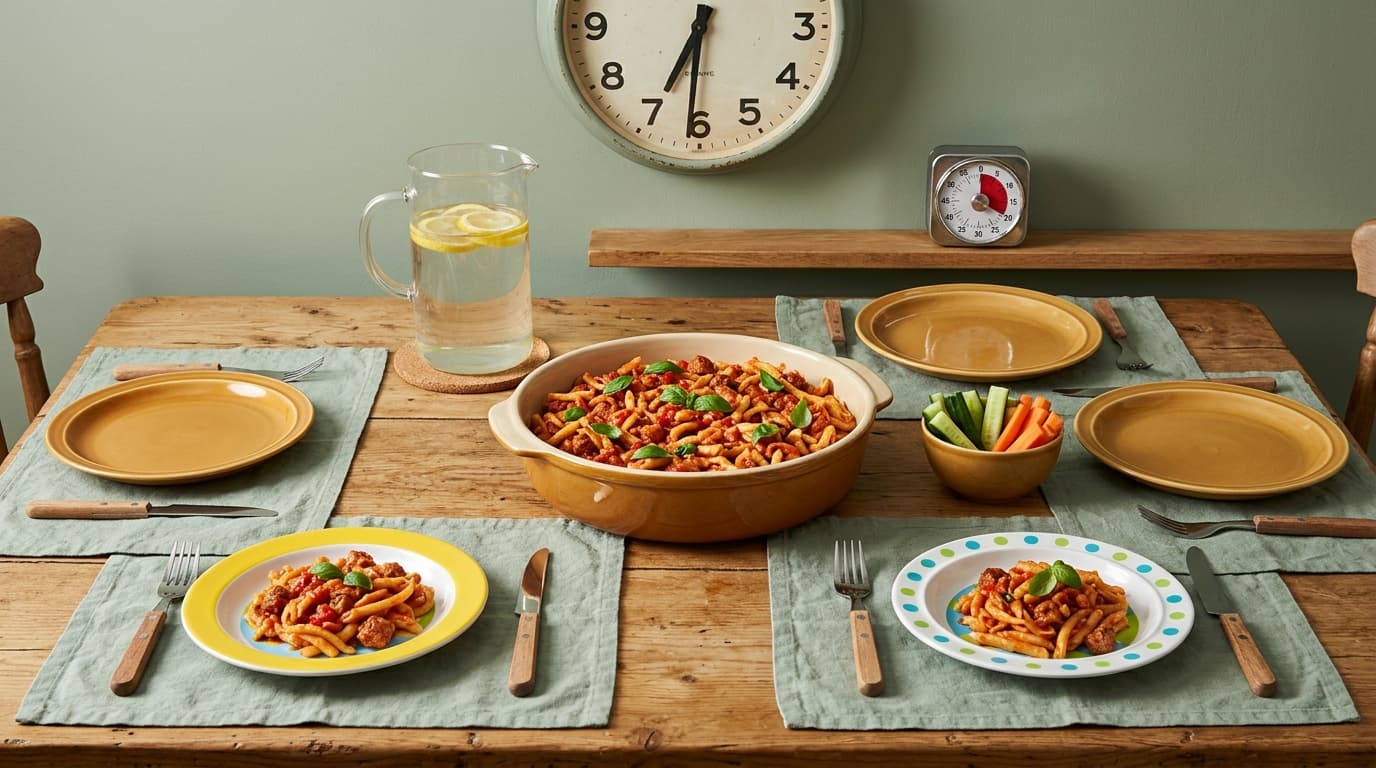
A better approach is the base meal: one core dinner, two or three optional finishers. You cook one thing, then split it at the end. Think rice bowls, pasta, wraps, baked potatoes and noodle dishes. These meals are structurally forgiving, which matters far more than whether they are technically “kid-friendly”.
Take noodles as an example. If you make Chicken Pad Thai, ready in 30 minutes, you do not need to plate every bowl identically. Keep a portion of noodles aside before adding extra lime or peanuts. Let one child have plain chicken and noodles, let another add cucumber, and keep the full version for adults. That is still one dinner.
The same logic works with curry, which many parents wrongly write off as too divisive. Butter Chicken Curry, ready in 42 minutes, is exactly the sort of meal that can stretch across different tastes. Serve the sauce fully mixed for adults, but reserve a few pieces of chicken before combining everything if you know someone will object to “bits in sauce”. Add naan, rice or sliced peppers on the side and suddenly the meal feels familiar rather than challenging.
A base meal also stops you from overcorrecting. Too many families respond to one picky eater by cooking from the narrowest possible brief: plain pasta, chicken nuggets, repeat. That only makes everyone else resent dinner. Instead, pick meals that allow controlled separation. Browse family-friendly recipes with that lens and you will make better choices immediately.
Here are two dinners that work because they are easy to deconstruct without feeling like children are getting a “special” version:
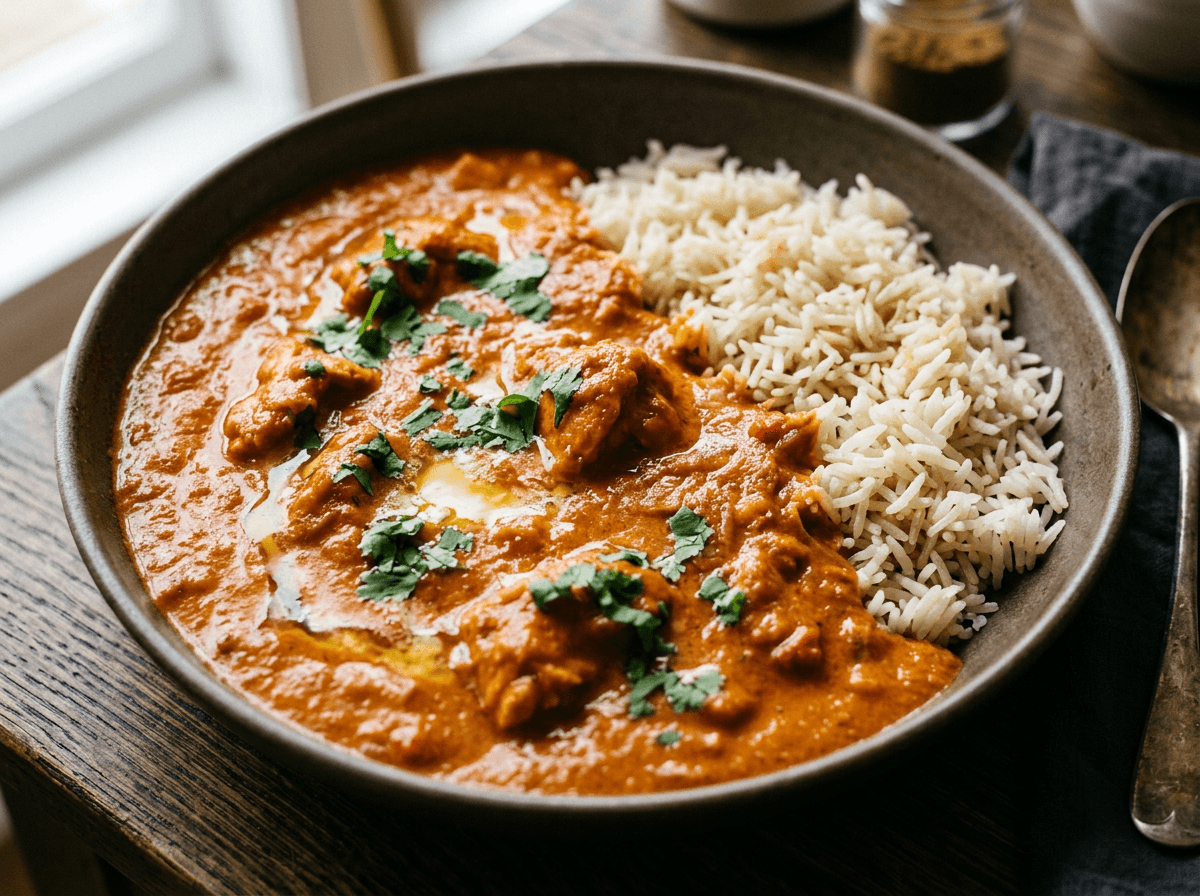
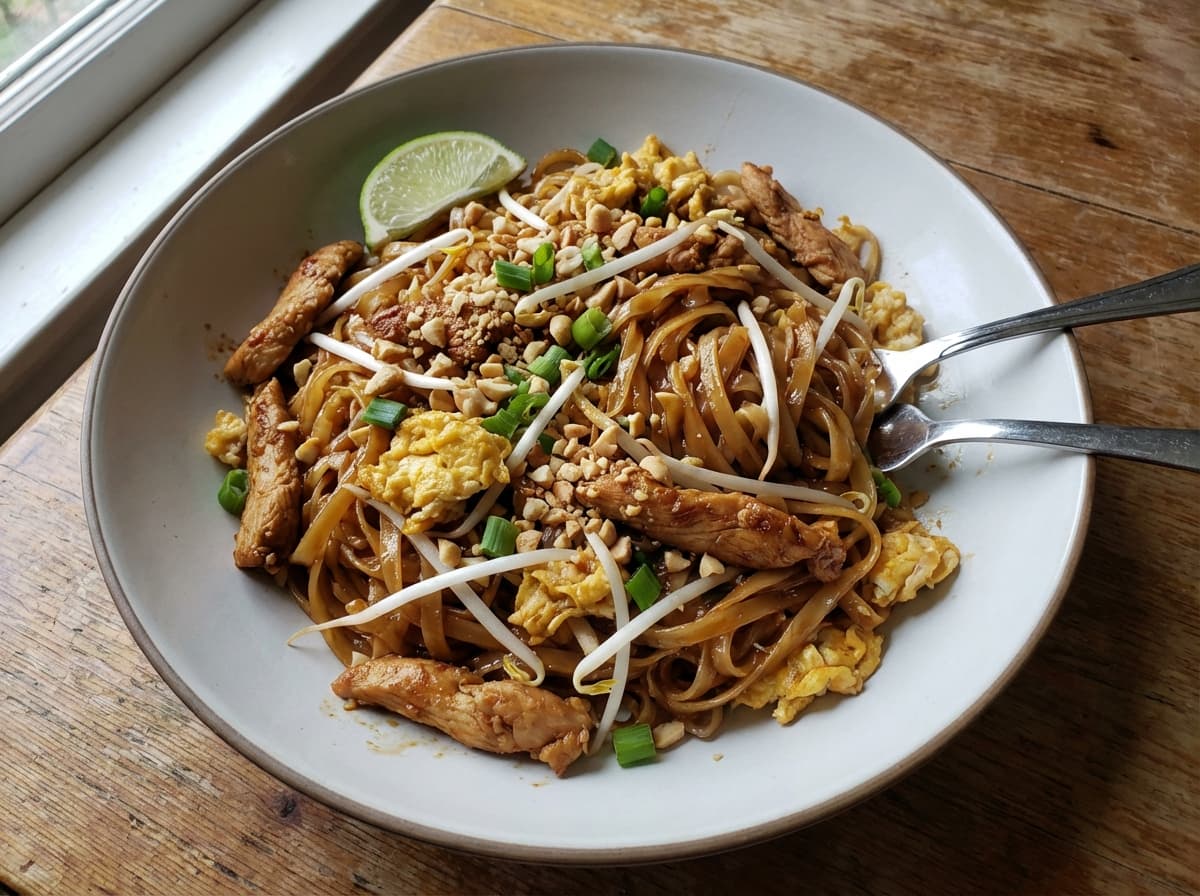
Both recipes suit family dinner planning because they can be served in layers rather than as a fixed final plate. That one shift makes a surprisingly big difference when you are trying to feed adults and fussy children from the same pan.
Use the “one safe element” rule for picky eaters
If you are cooking for picky eaters, the goal is not to make the whole meal safe. It is to guarantee one reliable element on every plate. That might be rice, flatbread, buttered pasta, roast potatoes, cucumber sticks or grated cheese. Once that element is there, children are far less likely to see dinner as a threat.
This sounds small, but it changes the emotional temperature of the meal. A child who sees one familiar item is more likely to tolerate a new sauce or vegetable nearby. A child who sees an entirely unfamiliar plate often refuses before taking a bite. That refusal is usually about panic, not stubbornness.
The trick is to choose meals where the safe element belongs naturally. Chicken Korma Curry & Rice, ready in 42 minutes, works because the rice is not an afterthought; it is part of the meal. Even if your child only eats the rice, a few cucumber slices and some chicken, you have still served one dinner. No toast later, no second pan, no precedent that every complaint earns a replacement meal.
The same principle works brilliantly with traybakes, bowls and build-your-own plates. Chicken Gyros Plate, ready in 42 minutes, gives you multiple landing zones: chicken, flatbread, chips or potatoes, yoghurt, tomatoes, lettuce. A fussy eater can keep things plain without forcing everyone else into plain food.
There is another reason this works: it protects adult appetites. Too many family meals collapse into bland compromise because the cook is trying to avoid objections in advance. Keep the base mild if you must, but add punch at the table. Chilli oil, herbs, pickled onions, extra lemon, feta, crispy onions and hot sauce can rescue a dinner without creating extra work.
If your household needs meals with obvious components rather than stews or heavily mixed dishes, kid-friendly recipes are useful, but be selective. The best ones are not childish; they are modular. That is a far more sustainable standard.
These two recipes are especially strong for households where one child wants everything separate and another is more adventurous:
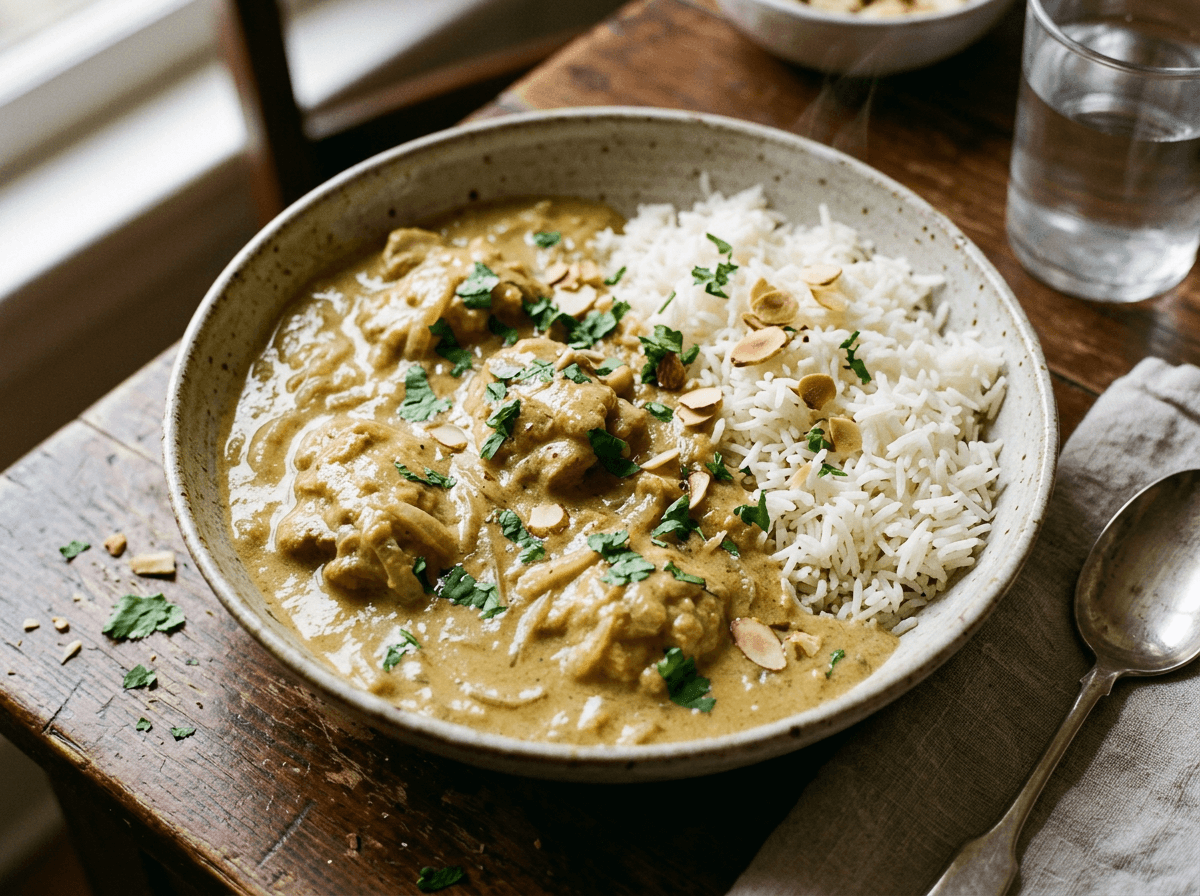
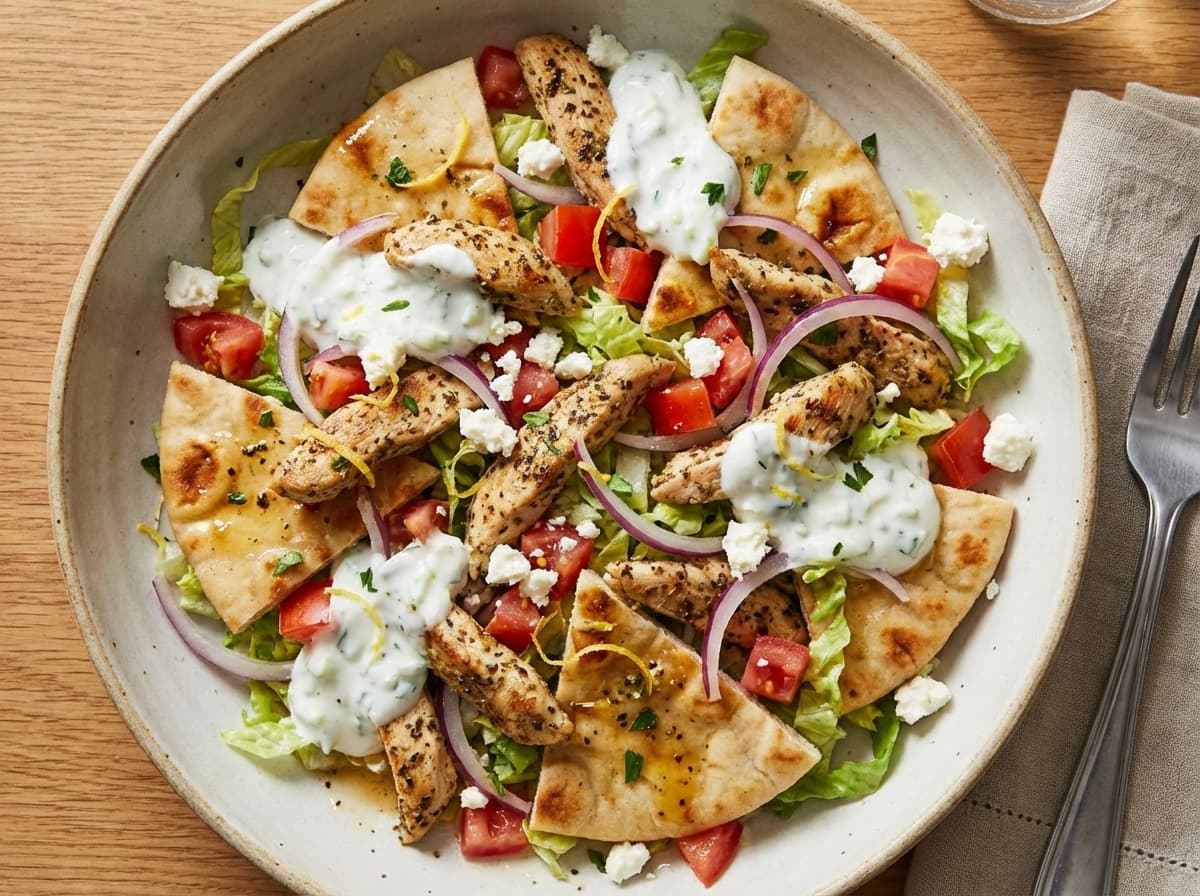
They give you a proper adult dinner while keeping enough familiar structure for fussy eaters. That is the sweet spot most families miss.
Plan your week around energy levels, not just ingredients
Most family dinner planning advice obsesses over what to cook. The more useful question is when to cook which kind of meal. A dinner that works beautifully on Sunday can be a disaster on Wednesday at 18:40 when homework is unfinished, someone is overtired and you have ten minutes of goodwill left.
You need three categories in your week: low-resistance meals, negotiation meals and anchor meals. Low-resistance meals are the ones nobody loves but everybody accepts. Negotiation meals are slightly more divisive but easy to customise. Anchor meals are the dinners that make the week feel properly fed, often batchable and generous enough for leftovers.
For most families, Monday and Thursday should be low-resistance. This is where bowls, pasta and stir-fries earn their keep. Korean Beef Bulgogi Bowl, ready in 30 minutes, is ideal because the components can be portioned separately: rice, beef, cucumber, whatever extras your family tolerates. Vegetable Pad Thai, ready in 28 minutes, works in the same way and is especially useful when you need a meat-free dinner that does not feel like punishment.
Friday or Sunday is where an anchor meal belongs. Something baked, spoonable or slow-cooked tends to calm the room because it feels deliberate rather than improvised. You are not just feeding people; you are reducing the chance of snacky chaos later.
This is where a planning tool can genuinely help. If you use Eatpace, the useful part is not that it offers ideas; it is that you can create a week based on your available time, then swap a meal instantly if Tuesday suddenly becomes impossible. That is far closer to how families actually live.
If you need more options in this mould, quick dinner recipes and easy dinner recipes are the categories worth leaning on. Speed matters, but structure matters more.
Let children choose the format, not the full menu
One of the most effective ways to reduce resistance is also one of the least obvious: stop asking children what they want for dinner. That question is too broad, so you will get “pizza”, “chips” or “I don’t know”. Instead, let them choose the format. Bowl or wrap? Rice or noodles? Raw veg or cooked veg? Dip on the side or mixed in?
That gives children influence without handing over the kitchen. It also produces better decisions because they are choosing between options you can actually live with. A child who refuses curry may happily eat “rice bowl night” if the same ingredients are arranged differently. Presentation is not superficial with children; it is half the battle.
This is especially helpful if you have siblings with different thresholds for change. One child may accept a new protein if it comes with familiar carbs. Another may be fine with flavour but hate foods touching. Format solves both. Bowls, boards and help-yourself platters are deeply underrated in family dinner planning because they reduce the sense of being trapped by a finished plate.
You can also use a simple house rule: everyone gets one “no thank you” food, not one “replacement dinner”. If courgettes are rejected, fine. The meal still stands. This keeps boundaries clear while allowing genuine preferences.
Parents often worry that this approach means accommodating fussiness forever. It does not. It simply stops the nightly showdown. Once dinner is calmer, children usually become more flexible because they are not defending themselves from surprise combinations.
A practical way to organise this is to keep a short rotation of five or six formats and vary the flavours inside them. That is much easier to sustain than trying to invent seven unrelated meals. If you want less admin, Eatpace is useful here because after a quick taste calibration you can tap “Create my week”, get a personalised dinner plan, and swap anything that does not suit the family mood that week.
Make one family meal the default and separate meals the rare exception
If you are serious about stopping the separate-dinners spiral, you need one firm principle: the household default is one meal. Not one identical plate, but one shared dinner. Exceptions should exist for genuine reasons such as allergies, illness or impossible timing, not because somebody objected to onions at 18:55.
That sounds strict, but it is actually kinder. Children cope better when the rules are predictable. Adults do too. The current pattern in many homes is vague enough to invite endless negotiation: maybe there will be an alternative, maybe there will not, so everyone pushes. Once the default is clear, the bargaining drops.
The easiest way to enforce this without becoming militant is to keep a tiny list of approved fallback adjustments that do not create extra cooking. Rice with sauce on the side. Wrap instead of bowl. Raw carrot instead of roasted broccoli. Grated cheese added at the table. Those are adjustments, not second dinners.
You should also be honest about what is worth fighting over. A child refusing coriander is not a moral issue. A child demanding a completely different meal every night is. Save your energy for the pattern, not the garnish.
This is why batch-friendly family meals are so useful. If you know a dish reliably feeds everyone with minor tweaks, repeat it. Repetition is not boring when the alternative is nightly friction. In fact, repetition is what makes family dinners feel stable.
If your current routine relies on improvising at 5 pm, the practical fix is to reduce decision points. Choose three to five proven dinners, keep the ingredients in regular rotation, and let the shopping follow the plan. The underrated relief of a tool like Eatpace is the auto-generated shopping list from your chosen week. That single feature removes the forgotten-ingredient panic that so often leads to takeaway or three disconnected meals.
A family dinner does not need unanimous praise to count as a success. If everyone ate enough, nobody required a separate pan, and the kitchen did not become a negotiation chamber, that is a win. Aim for repeatable peace, not perfection.
How do I meal plan for a family when my partner gets home much later than the children?
What should I do if one child likes spicy food and another refuses anything with flavour?
Can I stop making separate meals for a very fussy child without causing bigger battles?
How do I involve children in dinner planning without ending up eating pasta every night?
What are the best family dinners when everyone is tired and picky?
In this article
Plan your week in 30 seconds
Eatpace generates a personalised dinner plan for you. Free to try.
Download the app