Meal Planning for Couples with Different Tastes Without Cooking Two Dinners
How to handle spice levels, vegetarian swaps and uneven appetites with one smart weekly plan
When you’re meal planning for couples with different tastes, the obvious mistake is treating dinner like a vote. That’s how you end up with bland compromise food that neither of you actually wants. The better approach is to build meals with a shared backbone and deliberate points of difference, so one person can have heat, the other can keep things mild, and the vegetarian in the relationship doesn’t get a sad side dish pretending to be supper.
This is exactly where a system helps more than inspiration. Eatpace, for example, is useful because it builds a weekly dinner plan around what you both actually like, then lets you swap meals quickly when one choice feels too meaty, too spicy or too much effort for a Wednesday.
Use the base-and-customise method instead of splitting the menu
If you cook two completely different dinners, you are not solving a taste problem. You are creating a labour problem. The smartest fix is the base-and-customise method: one neutral core, two finishes. Think rice bowls, noodle bowls, tacos, baked potatoes, grain salads and curries where the final personality comes from toppings, proteins or heat added at the end.
This works because most disagreement happens in the top notes of a meal, not the structure. One person hates chilli, but both like noodles. One person is vegetarian, but both like sesame, lime, herbs and crunchy vegetables. Build the shared architecture first, then split the pan for the final two minutes or plate things differently.
A bibimbap-style bowl is a perfect example. You can cook rice once, prep the vegetables once, fry eggs once, then divide the toppings according to appetite and preference. The vegetarian partner gets tofu and gochujang on the side; the spice-shy partner gets a softer sauce or just a drizzle. That is one dinner with two personalities, not two dinners.
The same logic applies to wraps and bowls. A platter meal is often better than a fully assembled one because it keeps choice visible. Instead of presenting a fixed dish, put out warm components and let each person build a plate that suits them. This is why family-friendly recipes are often more useful for couples than people realise: they tend to be modular by design.
The trick is to avoid meals where the conflict is cooked into the pot. A heavily spiced sausage pasta is delicious, but if one person can’t tolerate heat, the argument starts before the water boils. Save those dishes for nights when both of you are aligned. On mixed-taste nights, choose meals that can branch late.
These two recipes are especially good because they let you vary heat, protein emphasis and toppings without changing the whole dinner. The bowls stay coherent even when each plate looks slightly different.
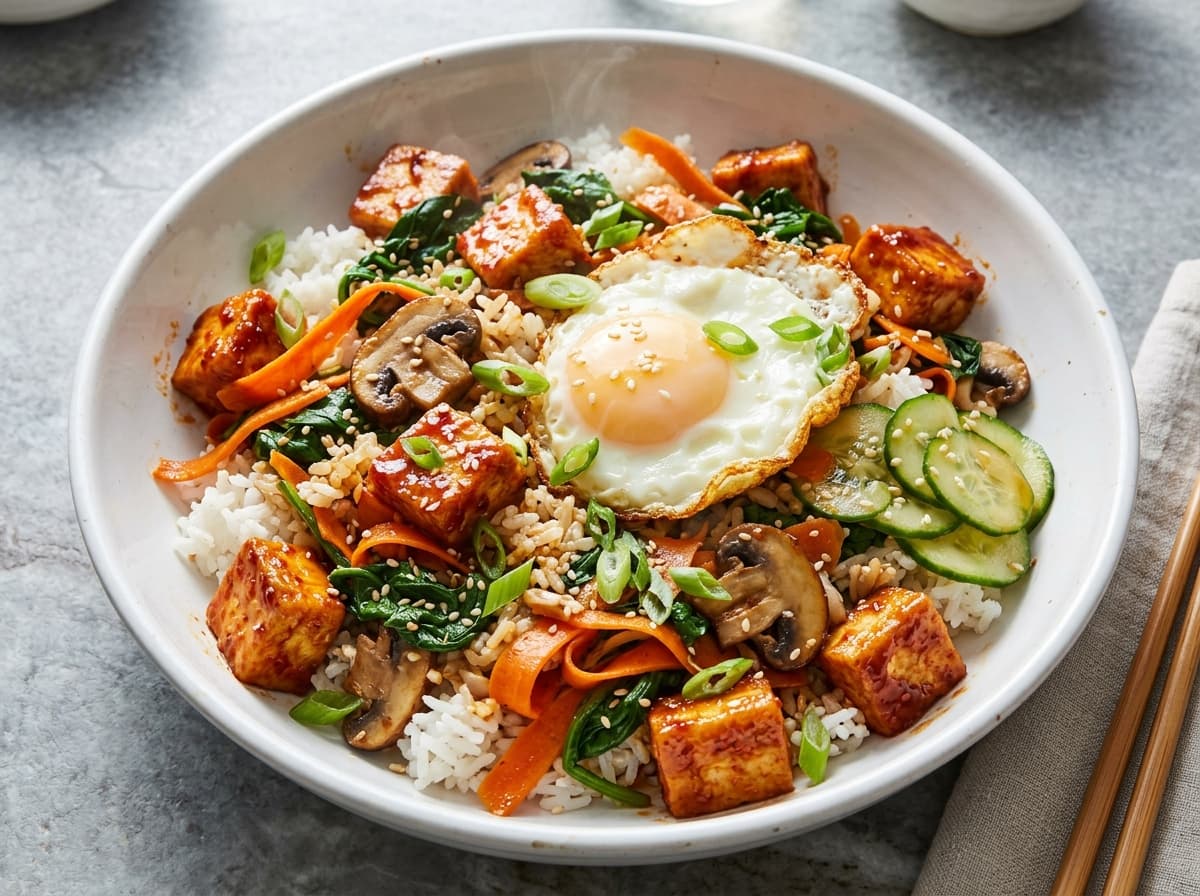
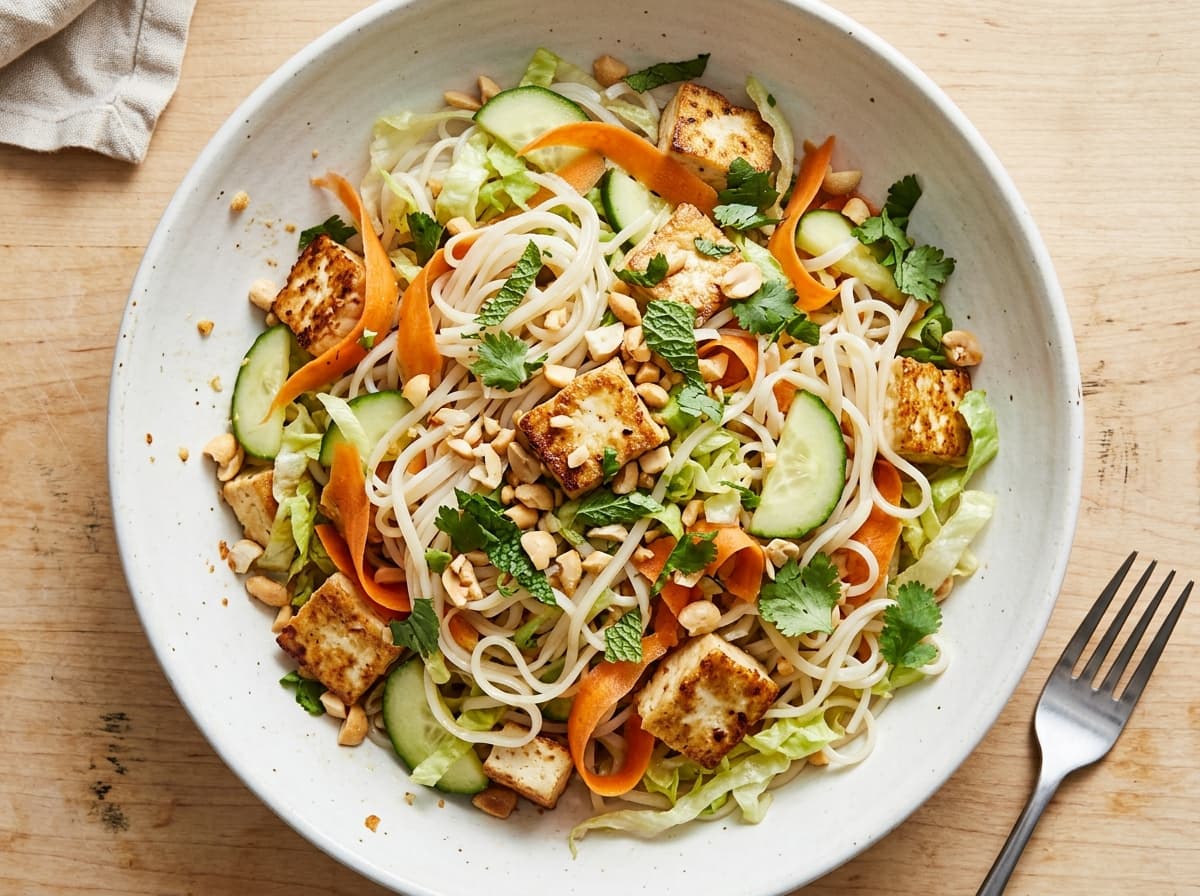
The Gochujang Tofu Bibimbap Bowl is ready in 37 minutes and naturally supports separate sauce levels. The Vietnamese Spring Roll Bowl is ready in 27 minutes and is even more flexible: herbs, crunch, noodles and dressings can all be adjusted plate by plate.
Treat spice as a table condiment, not a pan decision
Couples get stuck on spice because they handle it at the wrong moment. If the chilli goes into the oil at the start, the whole dish belongs to the chilli lover. If it’s added at the table in layers, both of you win. This sounds simple, but it changes the entire weekly plan because it widens the list of meals you can both eat.
The practical rule is this: build flavour in the pan, build heat at the table. Use garlic, ginger, herbs, black pepper, citrus, toasted spices and savoury sauces while cooking. Then let chilli oil, sliced fresh chillies, sambal, crispy chilli, gochujang or hot sauce do the final work individually. Heat should be customisable, not compulsory.
This matters especially when one partner says they “don’t like spicy food” but actually means they don’t like aggressive, inescapable heat. Many people are happy with warmth if they can control the dose. A mild coconut curry can become fiery in one bowl and stay gentle in the other. A basil stir-fry can taste vivid and aromatic without blowing out the less adventurous eater.
There is also a sequencing trick most people miss: cook the mild version fully, remove one portion, then finish the remaining portion with chilli for 30 to 60 seconds. That tiny split at the end is far easier than making two separate dishes. It works brilliantly with stir-fries, tomato sauces, noodle dishes and curries.
You should also be honest about which dishes are naturally hostile to compromise. Nduja Burrata Rigatoni is ready in 28 minutes, but nduja is the point of the dish. It is not a smart choice for a mixed-spice evening unless you can add the nduja separately. By contrast, a stir-fry or curry usually gives you room to split and finish.
If you need more flexible midweek ideas, browse quick dinner recipes and easy dinner recipes. The best ones for couples are not necessarily the fastest; they are the ones that can bend without collapsing.
These recipes fit because both can be cooked mild first, then pushed hotter in one portion at the end. You get one pan, one prep session and no resentful side salad for the person avoiding heat.
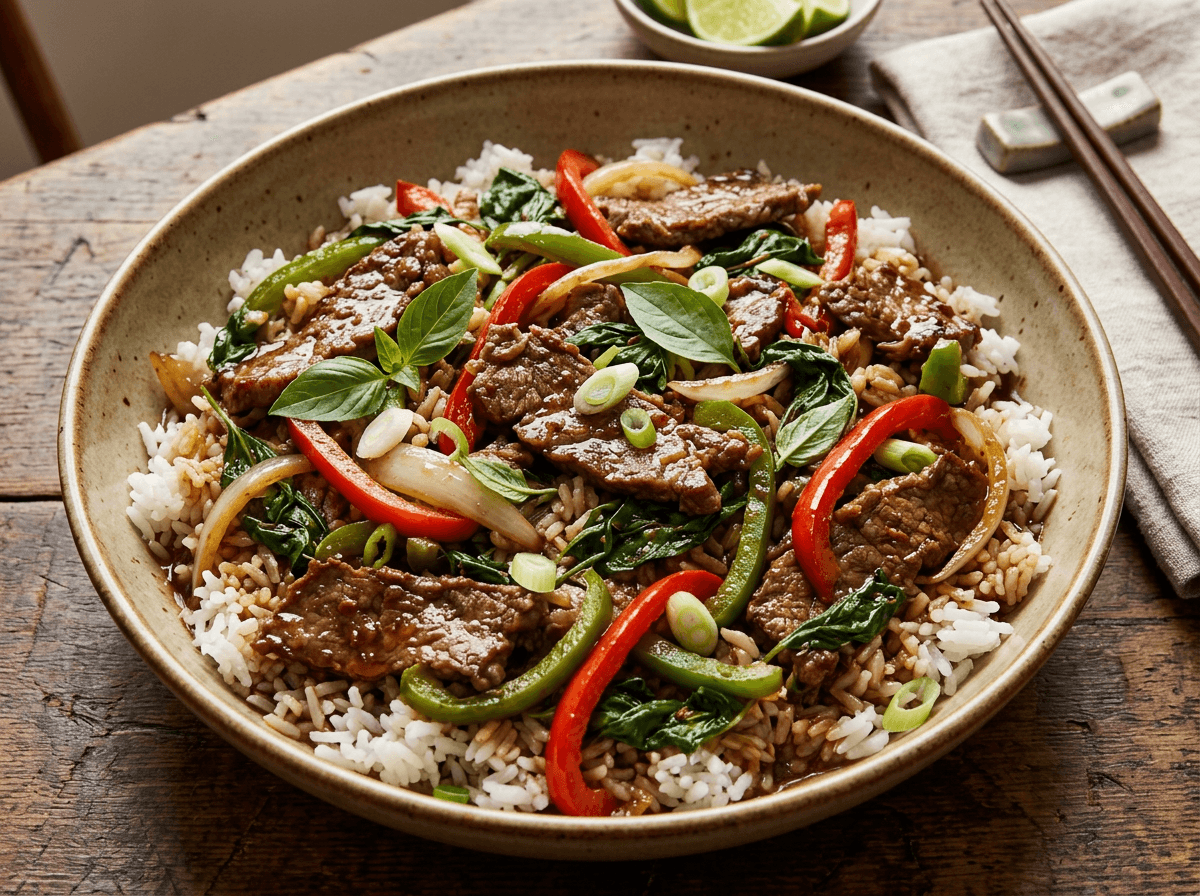
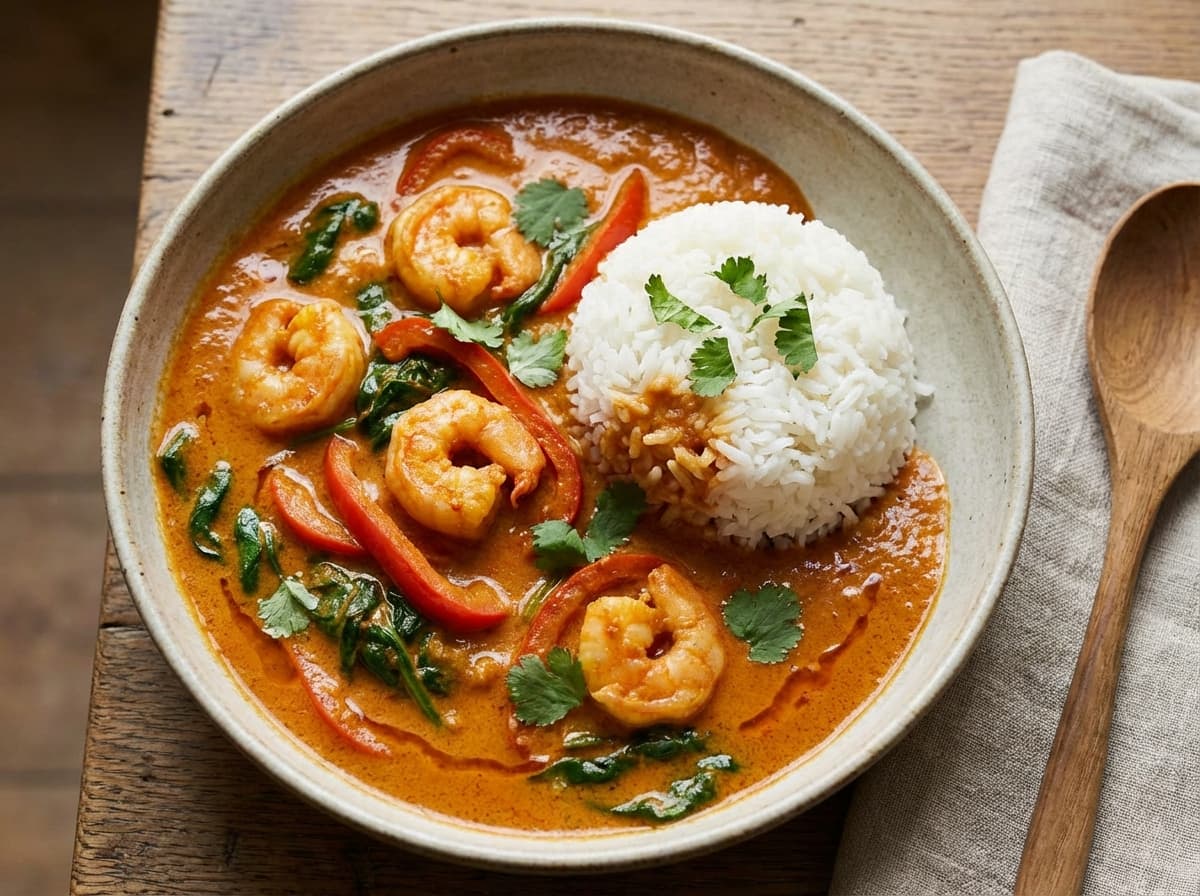
Thai Basil Beef Stir-Fry is ready in 26 minutes and is ideal for the “split at the end” method. Coconut Prawn Curry & Rice is ready in 30 minutes and is naturally suited to separate chilli additions at the table.
Make vegetarian and meat preferences meet in the middle, not at opposite ends
The worst way to cook for one vegetarian and one meat-eater is to build the whole meal around meat, then strip it out for one plate. That usually leaves the vegetarian partner with starch, sauce and disappointment. The better move is to start from a vegetarian foundation that feels complete on its own, then add meat as an optional extra for the omnivore if needed.
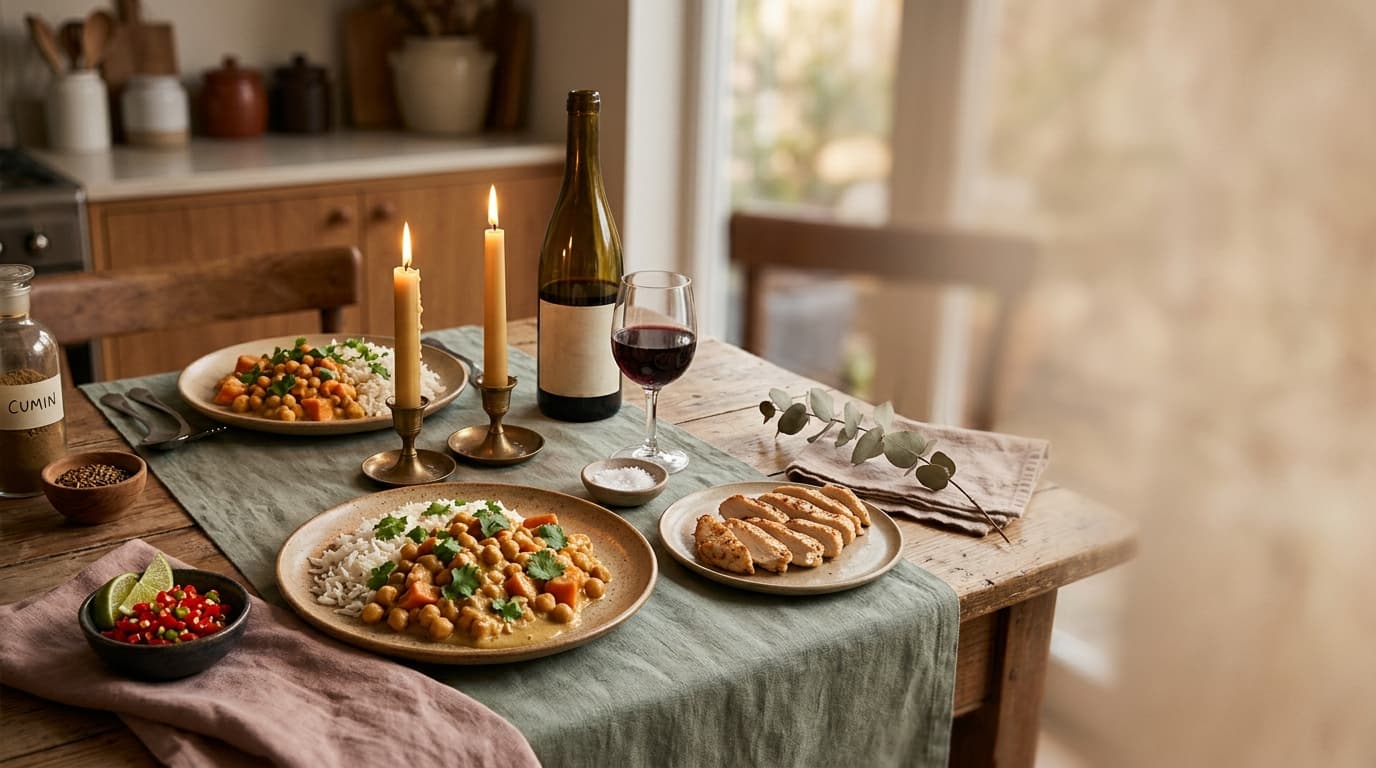
This is the opposite of what many couples do, and it is far more efficient. A lentil curry, bean stew, vegetable noodle dish or paneer-based meal can stand up perfectly well as dinner. If one person wants extra protein from chicken, prawns or sausage, that can be cooked separately in a small pan or added from leftovers. The base remains satisfying for both people.
The key is choosing vegetarian dishes with enough texture and depth. A tray of roasted vegetables is not a strategy. A proper dal with rice, pickles and yoghurt is. A paneer curry with spinach feels like a meal. A noodle dish with crisp tofu, dark sauce and chewy texture does not read as a compromise dish; it reads as dinner.
This approach also reduces the emotional friction that creeps into shared meal planning. Nobody wants to feel like the difficult eater every Tuesday. If the house default is “complete vegetarian base, optional meat extra”, the conversation becomes practical rather than personal.
There’s a budget advantage too. Cooking one substantial vegetarian base and adding a smaller portion of meat for one person often costs less than building every dinner around two full animal-protein portions. That is especially true with curries, grain bowls and pasta-adjacent dishes.
These recipes work because they are genuinely satisfying vegetarian meals first. They do not need meat to feel finished, which is exactly why they are useful in a mixed-preference household.
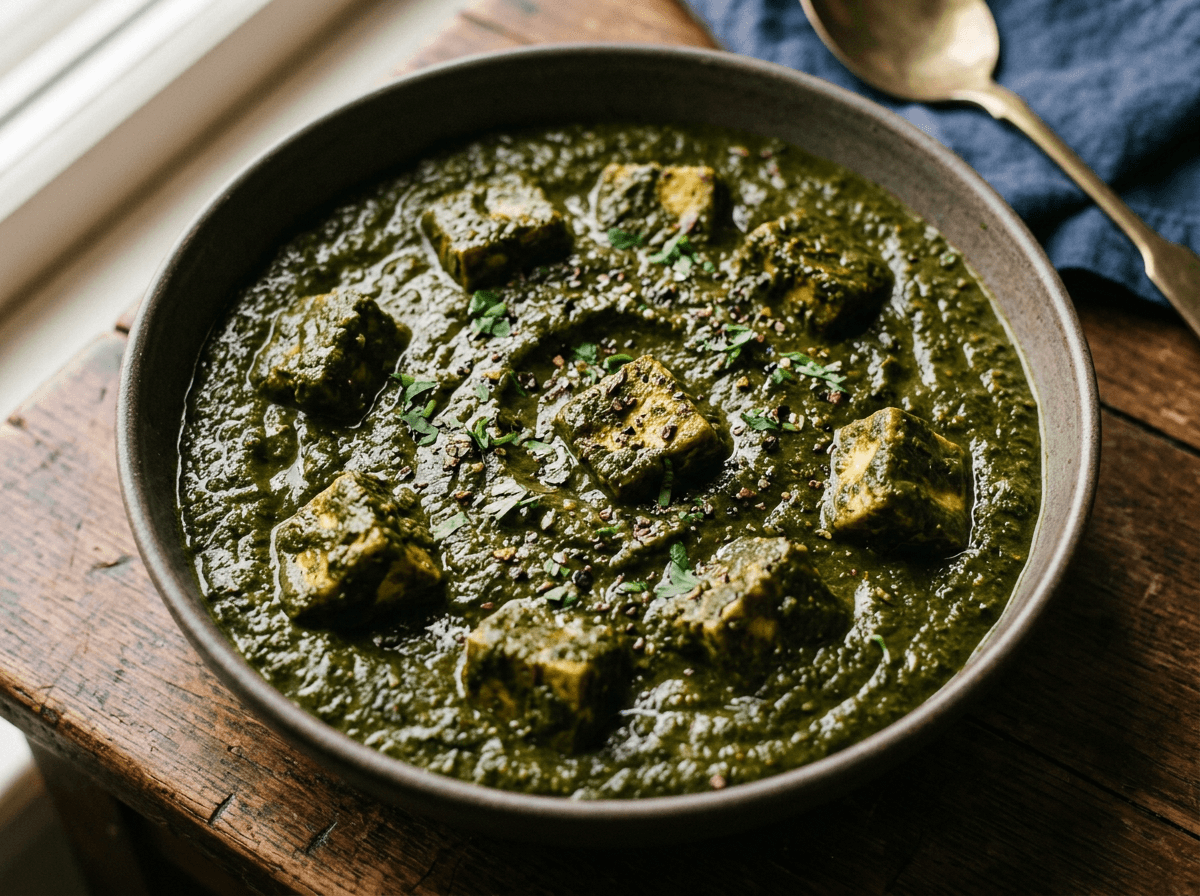
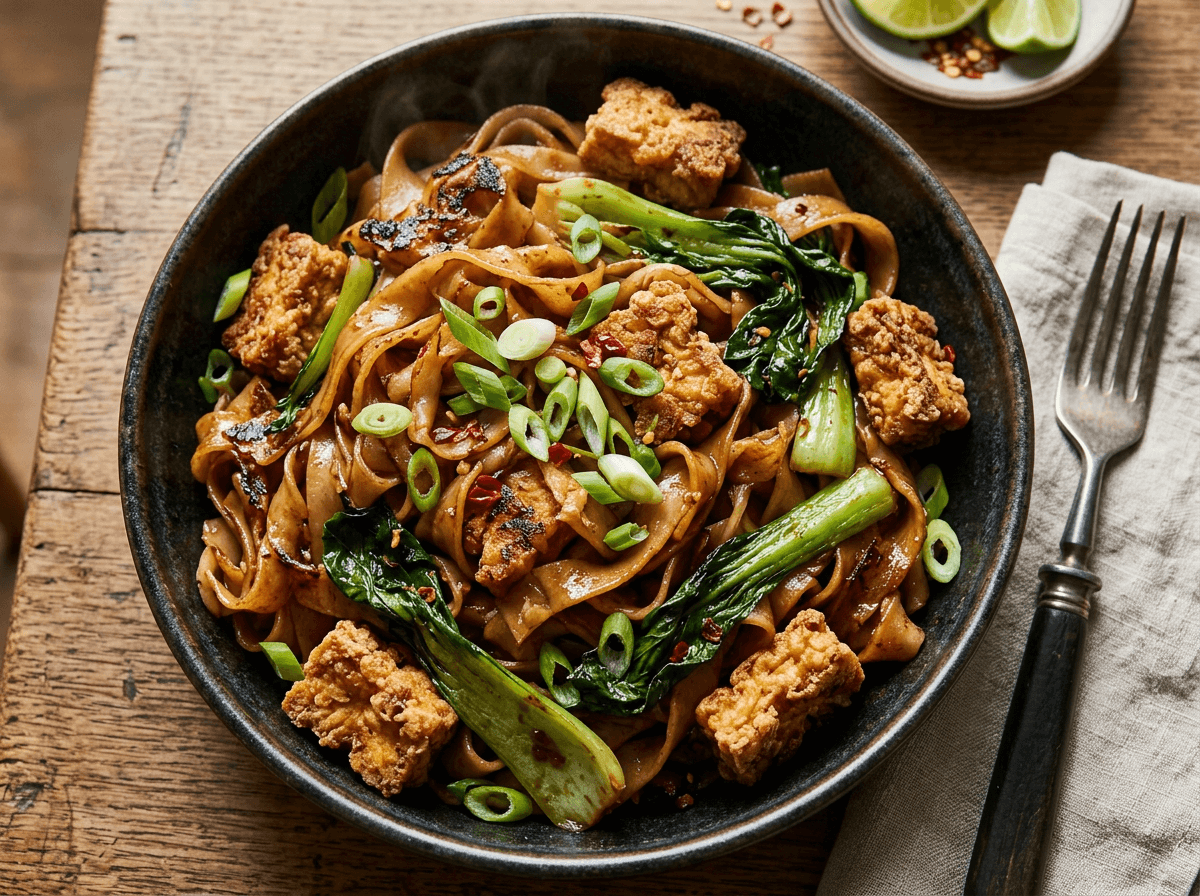
Saag Paneer Curry is ready in 40 minutes and has enough richness to hold the table on its own. Crispy Tofu Pad See Ew is ready in 30 minutes and proves that a vegetarian noodle dinner can still feel chewy, savoury and substantial.
If you want more options built on that same logic, look through vegetarian recipes and healthy recipes. The sweet spot is dishes with a strong sauce, a clear texture and a base that welcomes optional extras without needing them.
Plan around appetite differences, not just taste differences
Different tastes get all the attention, but different portion sizes are what quietly wreck a weekly plan. One of you wants a proper plate after the gym; the other wants something light and is full after half a bowl. If you ignore that, the bigger eater starts snacking at 9pm and the lighter eater feels every dinner is too heavy.
The fix is not making more food at random. It is designing scalable dinners. A scalable dinner has one element that expands easily for the hungrier person without changing the meal for the other. Rice, flatbreads, noodles, roast potatoes, extra greens, a fried egg, yoghurt, avocado, or a quick side salad all do this job.
For example, if you’re serving a curry, the lighter eater can have more sauce and vegetables with a smaller scoop of rice. The hungrier eater can have extra rice, naan and a spoonful of yoghurt. If you’re doing a bowl meal, one person gets a denser protein-heavy build while the other leans into crunch and herbs. Same dinner, different load-bearing parts.
This is where weekly planning should be brutally specific. Mark two meals as “big appetite nights” if one of you has late workouts or long office days. Mark another two as “lighter nights” after a heavy lunch or social plans. Most couples don’t fail because they picked bad recipes; they fail because they ignored the rhythm of hunger across the week.
A tool like Eatpace is particularly handy here because you can create a week, then swap a meal instantly for something lighter, faster or more substantial without rebuilding the whole plan. That matters when Thursday suddenly turns from a calm evening into a ravenous one.
The final point is leftovers. For couples, leftovers should be intentional but not universal. Make only one or two dinners each week that create extra portions. More than that, and the lighter eater gets bored while the hungrier eater still raids the fridge. The best plans for two have variety with one safety-net meal, not a four-day casserole sentence.
Build a weekly rotation that reduces negotiation fatigue
The real enemy in meal planning for couples with different tastes is not spice or vegetarianism. It is repeated negotiation. If every evening begins with “What do you fancy?”, you are not meal planning. You are hosting a tiny, exhausting summit.
The answer is to create a rotation with assigned roles. One night is your modular bowl night. One is your curry night. One is your comfort dish night when both of you agree to a crowd-pleaser. One is your rescue night for leftovers, eggs or toast-level effort. Once those categories are fixed, choosing recipes becomes much easier because you are selecting within a lane instead of from the entire universe of food.
For many couples, a four-part structure works best:
- Monday: fast modular meal
- Tuesday: vegetarian base with optional meat add-on
- Thursday: spice-adjustable dish
- Saturday: slower comfort meal both of you actively want
That structure sounds almost too simple, but it eliminates the deadlock caused by trying to satisfy every preference every night. You are not aiming for perfect equality in each meal. You are aiming for fairness across the week. That is a much saner standard.
This is also where one brief weekly planning session beats daily discussion. Spend ten minutes choosing the week’s lanes, then lock them in. If a meal suddenly feels wrong, swap it for another in the same category rather than reopening the entire debate. That is the difference between an organised kitchen and a democratic hostage situation.
If you want less decision-making, this is the most convincing use case for Eatpace: after a quick taste calibration, you can tap “Create my week”, get a dinner plan that reflects both of your preferences, then swap any meal that misses the mood while keeping the shopping list intact. Relief is the point.
A good rotation also leaves room for one shared favourite that needs no adaptation at all. Not every dinner should be a negotiation puzzle. Keep one reliable mutual win in the mix every week, whether that’s pasta, gyros, a mild curry or a traybake. The couples who eat well are not the ones with identical tastes. They are the ones who stop treating every meal like a personality test.
Can I meal plan for a vegetarian and a meat-eater without doubling the food bill?
How do we handle different portion sizes when cooking for two?
What if one of us likes very spicy food and the other genuinely can’t tolerate chilli?
Are modular meals actually satisfying, or do they feel like compromise food?
What is the easiest way to stop arguing about dinner every night?
In this article
Plan your week in 30 seconds
Eatpace generates a personalised dinner plan for you. Free to try.
Download the app