Dinner Ideas When You Don't Feel Like Cooking After Work
Zero-guilt ways to feed yourself well when your brain is finished and takeaway feels inevitable.
When you don't feel like cooking, the worst advice is to "get motivated". You are not lacking discipline. You are running on fumes, and dinner is often the moment the day finally asks too much.
The fix is not becoming the sort of person who lovingly chiffonades herbs on a Wednesday. It is building a dinner system that assumes you will be tired, distracted and slightly resentful at 6.47pm. That is exactly why tools like Eatpace are useful: they remove the nightly choosing, which is often more exhausting than the cooking itself.
Stop aiming for proper cooking and start choosing low-resistance dinners
If you are shattered, your real enemy is not the hob. It is friction. Friction is the recipe with 14 ingredients, the pan that needs soaking, the side dish you forgot to plan, and the moment you realise the rice takes longer than the rest of the meal.
So stop judging dinner by whether it is impressive. Judge it by resistance level. A low-resistance dinner needs one dominant cooking method, one obvious flavour direction and no delicate timing. If you have to monitor three things at once, it is already too much for a tired Tuesday.
This is why bowls, fast pastas and stir-fries work so well. They are forgiving. If the peppers catch slightly or the noodles sit for two minutes too long, nobody cares. Compare that with something like fishcakes or stuffed vegetables, where every step creates another chance to give up and order a burger.
A useful filter is this: can you explain the dinner in one breath? "Fry mince, add basil sauce, serve with rice." Good. "Roast aubergine, make yoghurt dressing, toast seeds, cook grains, assemble salad." Absolutely not on a draining work night.
Another trick is to choose dinners that feel complete without extras. Pasta with enough protein and greens built in is better than a main plus two worthy sides. Easy dinner recipes are often more realistic than healthy aspirational meals because they accept that one-pan completeness matters more than culinary ambition at 8pm.
When you are this tired, speed helps, but simplicity matters more. A chaotic 20-minute meal can feel harder than a calm 28-minute one. Chorizo Carbonara is ready in 25 minutes and works because it uses a short ingredient list and gives you the sort of rich, salty payoff that actually feels satisfying after a long day. Charred Halloumi & Vegetable Salad takes 25 minutes and suits the evenings when you want something fresh but still substantial enough to stop the snack-cupboard spiral.
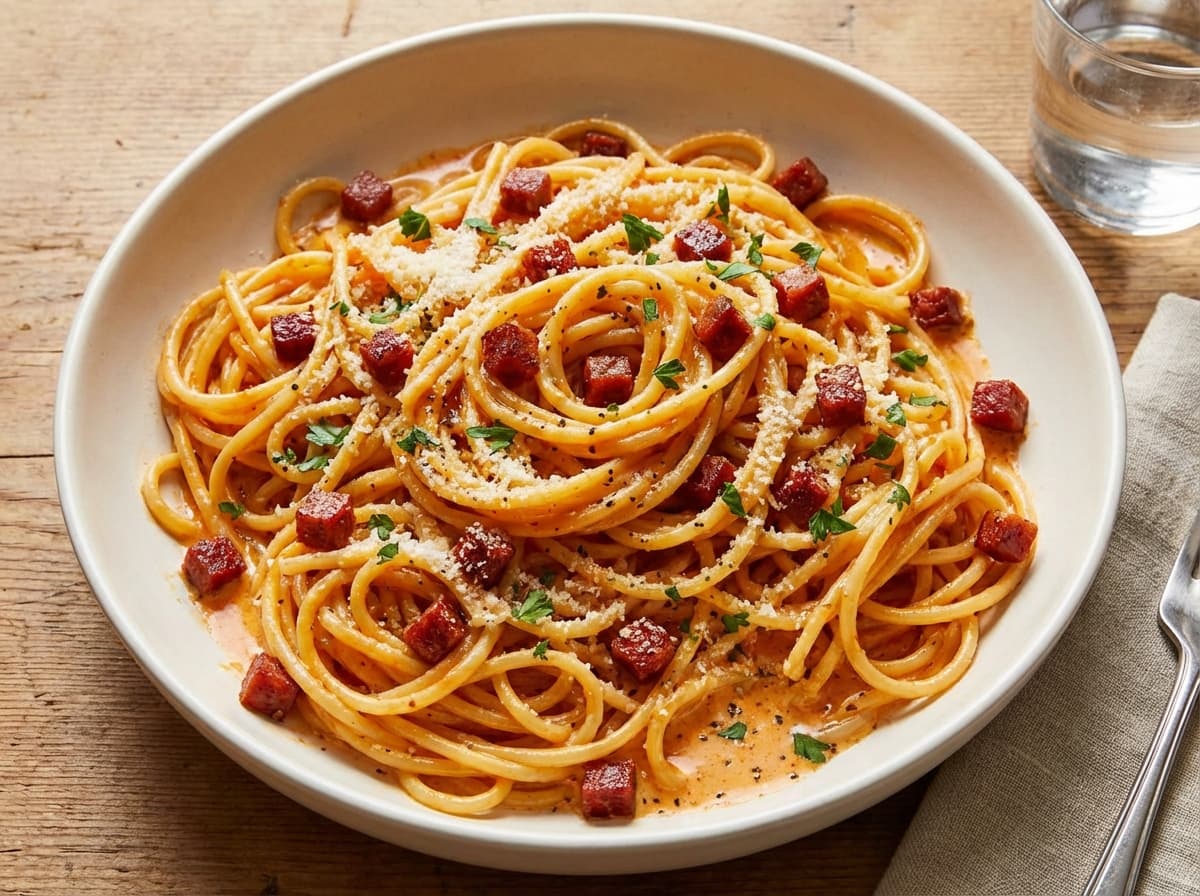
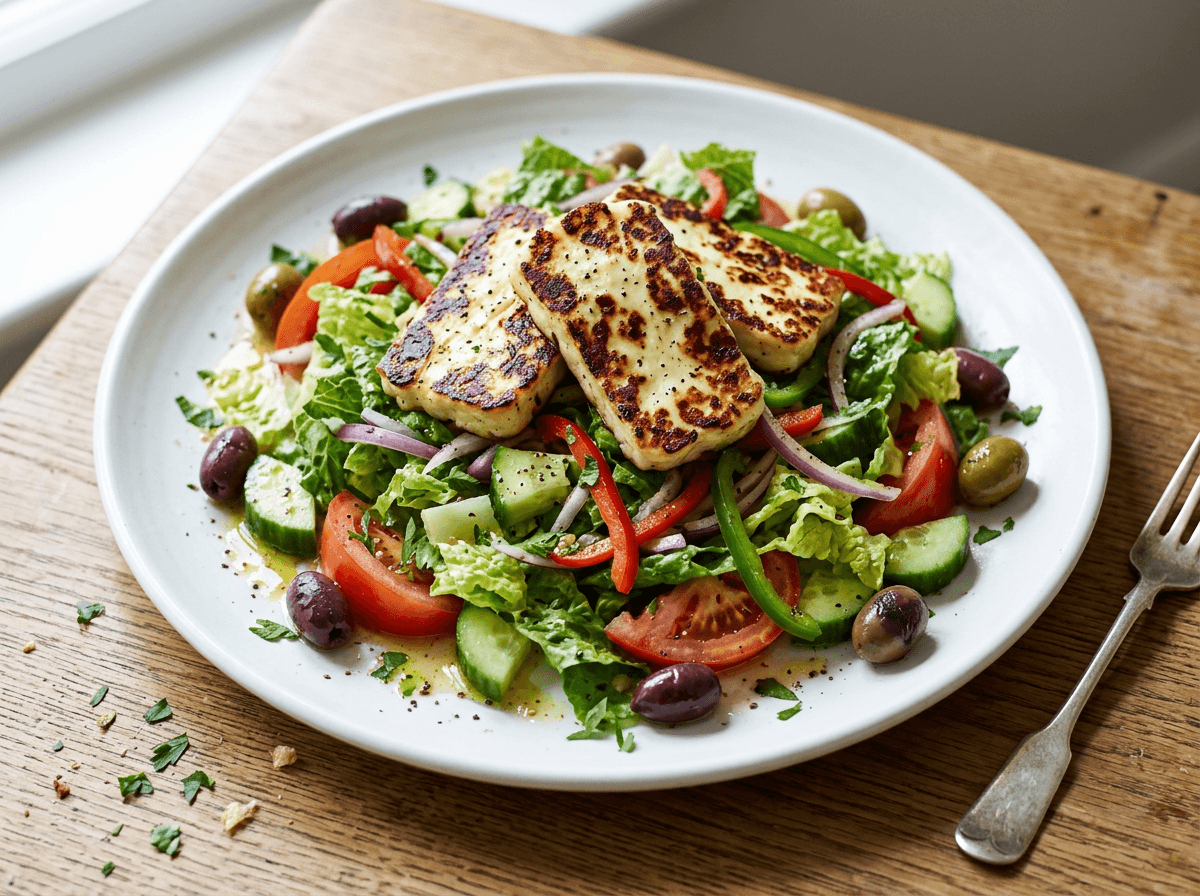
These are good examples of tired-night cooking because they do not ask for any emotional investment. One is creamy comfort, one is fast and bright, and both get from chopping board to plate without much drama.
Use the Tuesday rule: put your easiest meal in the middle of the week
Most people waste their easiest dinner on Monday because they think the first day back is the hardest. It usually is not. Monday still has traces of weekend competence. You may have groceries, a little momentum and the vague fantasy that this will be your organised week.
Tuesday or Wednesday is where things collapse. Work has become repetitive, the kitchen is no longer tidy, and your patience for peeling, stirring and washing up is gone. That is why the smartest meal planners use the Tuesday rule: your absolute easiest, lowest-effort dinner belongs in the middle of the week, not at the start.
This is not a cute hack. It is load management. If you put a 40-minute dinner on Wednesday because it looked sensible on Sunday, you are planning for your ideal self instead of your actual one. Your actual self wants a meal that can be cooked almost on autopilot while replying to one last Teams message.
What counts as a Tuesday-rule meal? Something fast, yes, but also something with a clear cooking sequence and a high reward-to-effort ratio. Nduja Burrata Rigatoni is ready in 28 minutes and earns its place because the flavour is loud enough to feel like a treat, even though the method is straightforward. Thai Basil Chicken & Rice is also ready in 28 minutes and has the kind of punchy, savoury finish that makes takeaway seem less necessary.
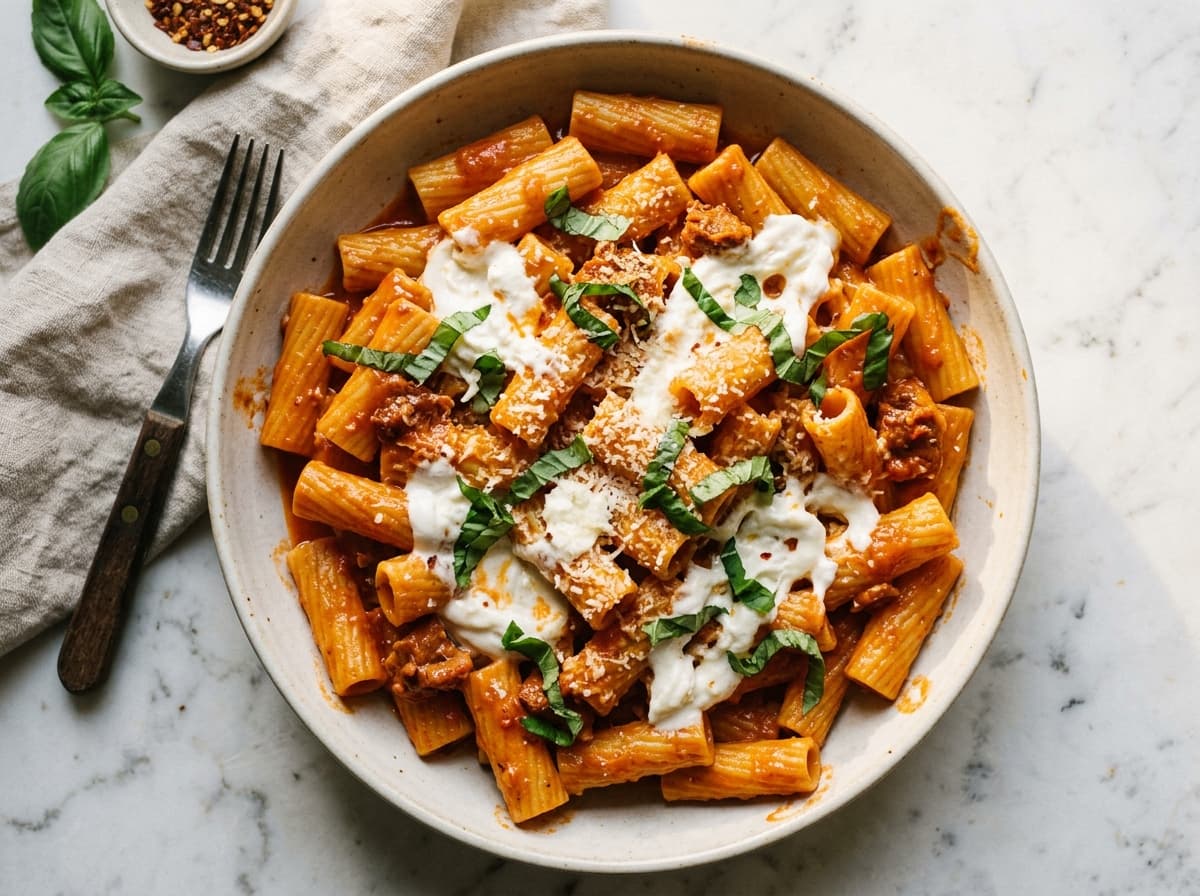
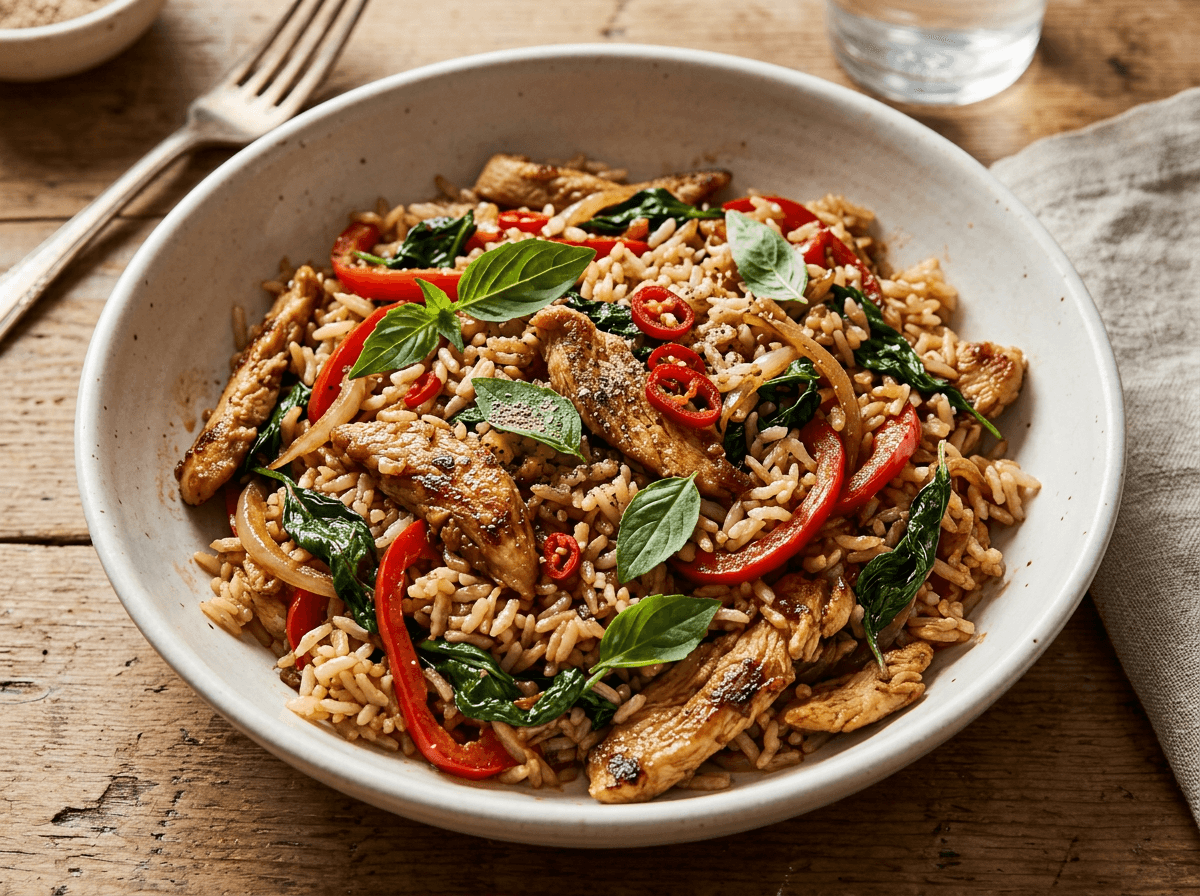
Both work brilliantly mid-week because they taste decisive. That matters. Tiredness often creates a strange kind of appetite where bland food feels insulting, so you keep grazing afterwards. A proper chilli hit, a glossy sauce, a handful of herbs — those details stop the "I still need something" feeling.
If you want more ideas in this lane, browse quick dinner recipes. But be selective: quick only counts if the recipe is mentally easy too. A 25-minute recipe with six garnish components is not quick in any meaningful after-work sense.
Eatpace is particularly useful here because it lets you build a week around your actual energy, not just your diet goals. That means you can deliberately place your easiest dinner where your motivation usually dips, then swap if the week goes sideways.
Build a two-tier dinner system so you order less takeaway without feeling deprived
The mistake people make when trying to cut takeaway is replacing it with earnest home cooking. That is far too big a leap. If takeaway is currently solving your exhaustion, your home alternative needs to solve the same problem: speed, comfort and certainty.
A better approach is a two-tier dinner system. Tier one is "can cook" food: recipes that need 25 to 30 minutes and a functioning attention span. Tier two is "can barely cope" food: meals that are still cooked at home, but only just. Think pre-chopped veg, quick-cook noodles, jarred shortcuts, or a recipe simple enough to make while half-listening to the kettle.
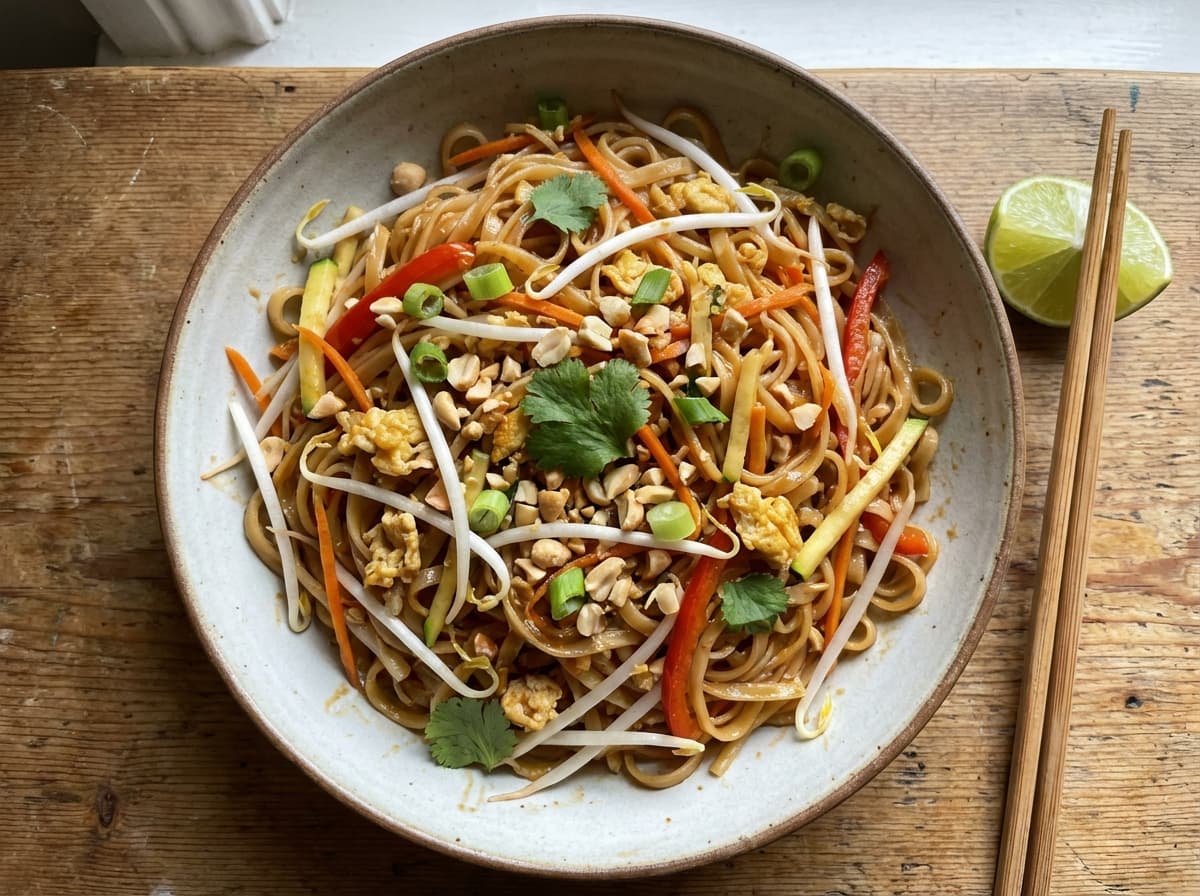
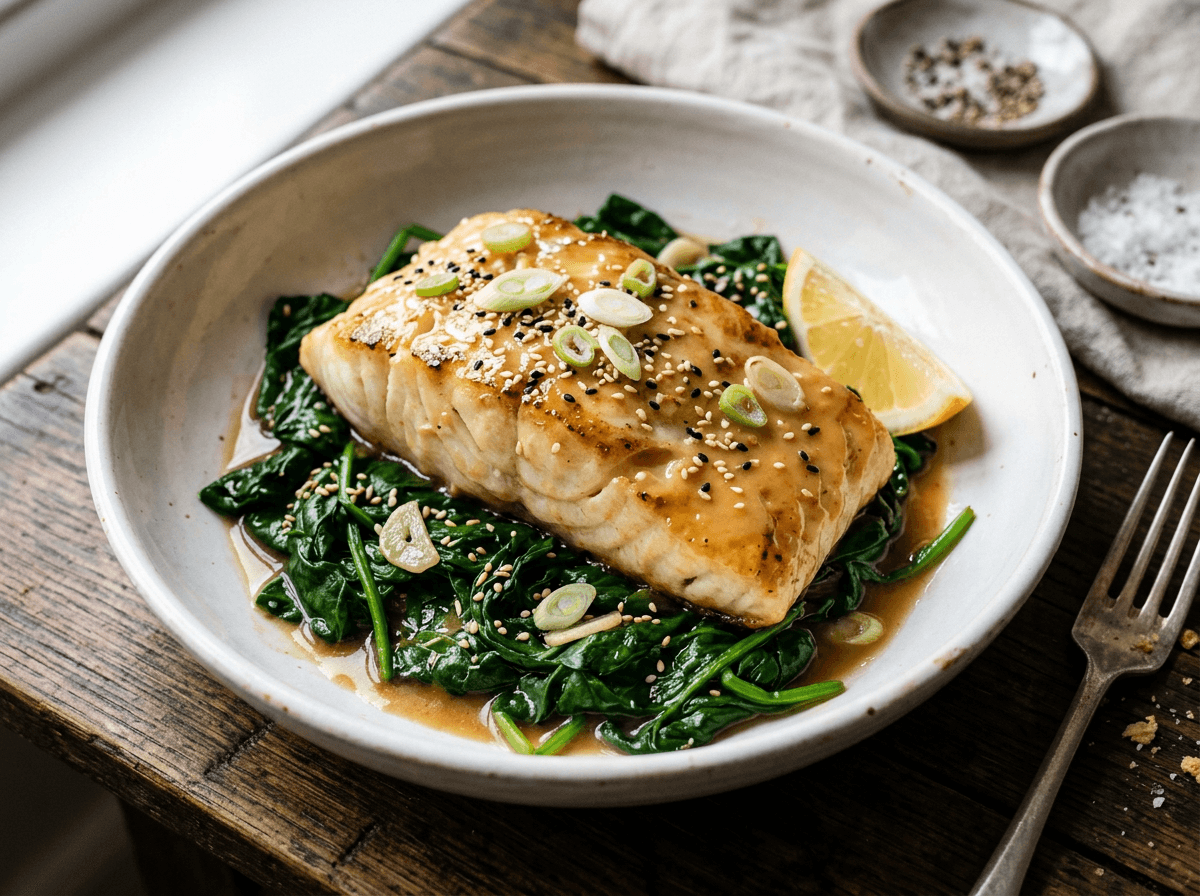
This matters because not all tired evenings are equal. On a manageable night, Vegetable Pad Thai, ready in 28 minutes, is entirely doable. On a rougher one, Miso Butter Cod & Greens, ready in 28 minutes, wins because it feels clean, light and composed without involving much kitchen chaos. Neither is a compromise dinner. They just belong to different energy levels.
The real skill is assigning recipes honestly. Do not put chopping-heavy meals in tier two just because the total time looks short. A recipe can be fast and still feel annoying. Likewise, do not reserve all comforting food for restaurants. You need at least two home dinners that hit the same emotional note as your usual order — salty, spicy, creamy, carb-forward, whatever your brain reaches for when it wants relief.
One practical rule: your lowest-energy meals should rely on ingredients that survive neglect. Cabbage, eggs, halloumi, frozen peas, udon, chickpeas, sausages and sturdy greens are all excellent because they wait for you. Delicate herbs, avocados and fish you must cook that day are what turn a decent plan into an expensive guilt trip.
There is a reason easy dinner recipes and quick dinner recipes outperform more ambitious meal plans in real life. They match the way people actually arrive home: hungry, distracted and not in the mood for a project.
Make tired-night dinners easier by designing for cleanup, not just cooking time
Cooking time gets all the attention, but washing-up dread is often what kills dinner before it starts. You look at a recipe, mentally count the frying pan, saucepan, colander, chopping board and blender, and suddenly cereal seems like a solid option.
So start planning dinners backwards from cleanup. The best tired-night meals are not simply quick to cook; they leave behind a kitchen you can reset in four minutes. One pot, one tray, or one pan plus bowls is the sweet spot. Anything beyond that needs to justify itself with outrageous deliciousness.
This is where many people get tripped up by "healthy" dinners. They build a plate in components — protein, grain, dressed leaves, maybe roasted veg — and create a dishwasher full of worthy decisions. A better move is to choose meals where the starch cooks in the sauce or the vegetables are folded into the main event. One-pot recipes are not just convenient; they are often the difference between feeding yourself and giving up.
There is also a sequencing trick that helps more than any gadget. Start the messiest thing first and clean in the dead time. If pasta water needs eight minutes, wash the knife and board then. If rice simmers unattended, clear the counter before you sit down. The point is not to be virtuous. It is to stop your future self walking into a wrecked kitchen at 9pm.
Another underrated strategy is using meals with "forgiving leftovers" as your late-week insurance. A dish that reheats well or survives a delayed dinner means one rough evening does not wreck the whole week. This is where a planning tool earns its keep. With Eatpace, you can tap "Create my week", get a realistic spread of dinners matched to your time and skill level, then swap instantly if Thursday turns out worse than expected. That kind of flexibility is far more useful than an aspirational plan that collapses on contact with real life.
Your emergency favourite should be so familiar that you barely need to read the method. That is not boring; that is infrastructure. People who cook regularly on tired nights usually have two or three meals they can make almost from muscle memory, and that is exactly why they keep doing it.
The best dinner ideas when you don't feel like cooking are the ones you can repeat without resentment
Novelty is wildly overrated in weekday dinners. You do not need seven thrilling meals every week. You need three or four reliable ones that you can rotate without feeling punished by them.
The trick is to repeat structure, not exact flavour. One week that might mean a spicy noodle dish, a creamy pasta, a bowl with rice and something punchy on top, and a low-effort salad with a hot element. The following week, keep the same structure but swap the cuisine. Your brain gets familiarity, but your palate does not get bored.
This is also how you avoid the meal-planning trap where every dinner is technically sensible but emotionally dead. If all your meals are light, balanced and faintly beige, takeaway will always look more alive. You need contrast across the week: one fresh dinner, one comfort-heavy dinner, one high-protein "I need feeding" dinner, one meal that feels almost indulgent.
A practical weekly rhythm might look like this: Monday something decent but not demanding, Tuesday your easiest meal, Wednesday leftovers or a repeatable bowl, Thursday a stronger-flavoured comfort dish, Friday either takeaway or a home dinner that scratches the same itch. That rhythm works because it respects fatigue instead of pretending every evening has equal capacity.
If you struggle with the choosing more than the cooking, let a system do the choosing. Eatpace was built for exactly this sort of dinner fatigue: a quick taste calibration, a personalised week of 3 to 7 dinners, instant swaps if your mood changes, and an auto-generated shopping list so you are not still making decisions in the supermarket at 7.15pm.
The goal is not to become someone who adores cooking every night. The goal is simpler and far more useful: to make dinner feel manageable often enough that takeaway becomes a choice, not the default.
Can I meal plan if I go through phases where every dinner sounds boring?
What should I cook when I am too tired to follow a complicated recipe?
How do I order less takeaway without feeling deprived?
Is cooking burnout a sign I am bad at meal planning?
Why do I still snack after dinner when I have cooked a proper meal?
In this article
Plan your week in 30 seconds
Eatpace generates a personalised dinner plan for you. Free to try.
Download the app