Meal Planning for One: How to Cook for Yourself Without Waste
A smarter way to buy, batch and portion when you’re feeding one person, not an imaginary family of four.
Cooking for one is not a smaller version of family cooking. It is a different sport entirely.
Most recipes are built for four, supermarkets push multipacks, and the real problem is not effort but residue: half a cabbage, three spring onions, a tub of yoghurt you forget exists. That is exactly why a system matters more than inspiration. Eatpace is useful here because it builds a personalised dinner week around what you actually like and how much time you have, rather than assuming every Tuesday deserves a heroic cooking project.
Stop planning meals, start planning ingredient exits
The biggest mistake in meal planning for one is choosing dishes in isolation. You pick a noodle bowl because it looks good, then a curry because you fancy comfort, then a salad because you feel guilty. By Thursday you have one lime, half a cucumber, a knob of ginger and no coherent plan for using any of it.
A better approach is to plan around ingredient exits. Every ingredient that enters your kitchen should already have a clear way out. Buy one pack of spinach because it will go into Monday’s dal, Tuesday’s eggs on toast, and Wednesday’s pasta sauce. Open a tub of Greek yoghurt because it will be used as a marinade, a sauce base and breakfast, not because one recipe demanded two tablespoons.
This sounds obvious, but very few solo cooks do it properly. You should be looking at the highest-risk ingredients first: herbs, salad leaves, soft dairy, fresh chillies, spring onions and partial tins. Build your week from those. Hardy ingredients like onions, carrots, rice and dried pasta can look after themselves.
The most useful solo-cooking habit is to divide ingredients into three camps: one-night ingredients, three-night ingredients and freezer ingredients. A cod fillet is a one-night ingredient. A bag of spinach is a three-night ingredient. Mince, bread and curry portions are freezer ingredients. Once you think like this, you stop buying hopefully and start buying with a deadline.
For example, if you open coconut milk on Monday, commit the rest immediately. Half goes into a curry, the other half becomes a quick soup, braising liquid or freezer cube tray. If you buy coriander for one dish, wash it, dry it and decide on day one whether it is becoming garnish for three meals or chopped and frozen in oil. The decision matters more than the ingredient.
This is also where lighter recipes earn their keep. A rich batch-cooked dinner is useful, but solo eating gets dreary if every leftover is heavy. Pairing one freezer meal with one fresh dinner keeps the week feeling deliberate rather than repetitive. Browse light recipes when you need a reset meal between richer leftovers.
A practical example: make Butter Bean Ratatouille, ready in 42 minutes, early in the week. It uses up courgettes, peppers and tomatoes in one go, and the leftovers improve overnight rather than decline. Then you can serve it differently across the week instead of eating the same bowl three nights running.
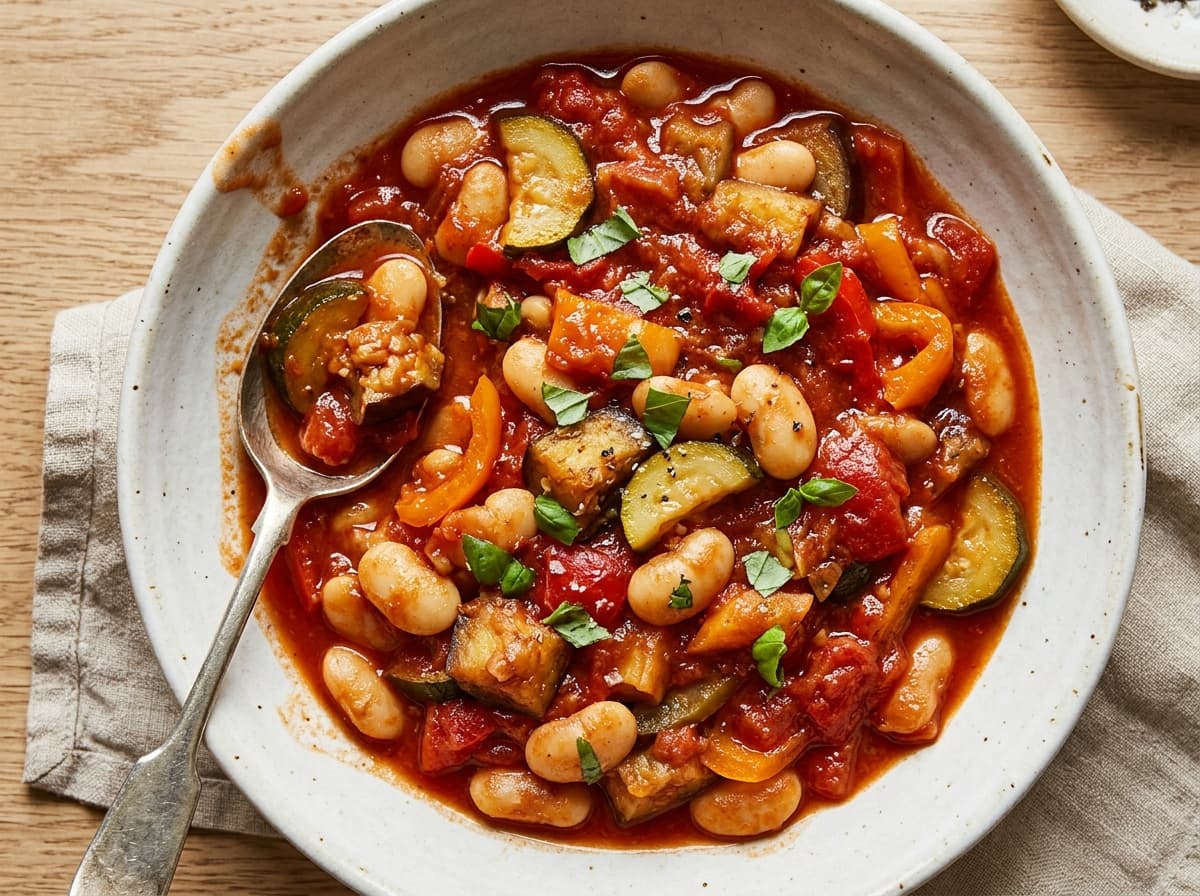
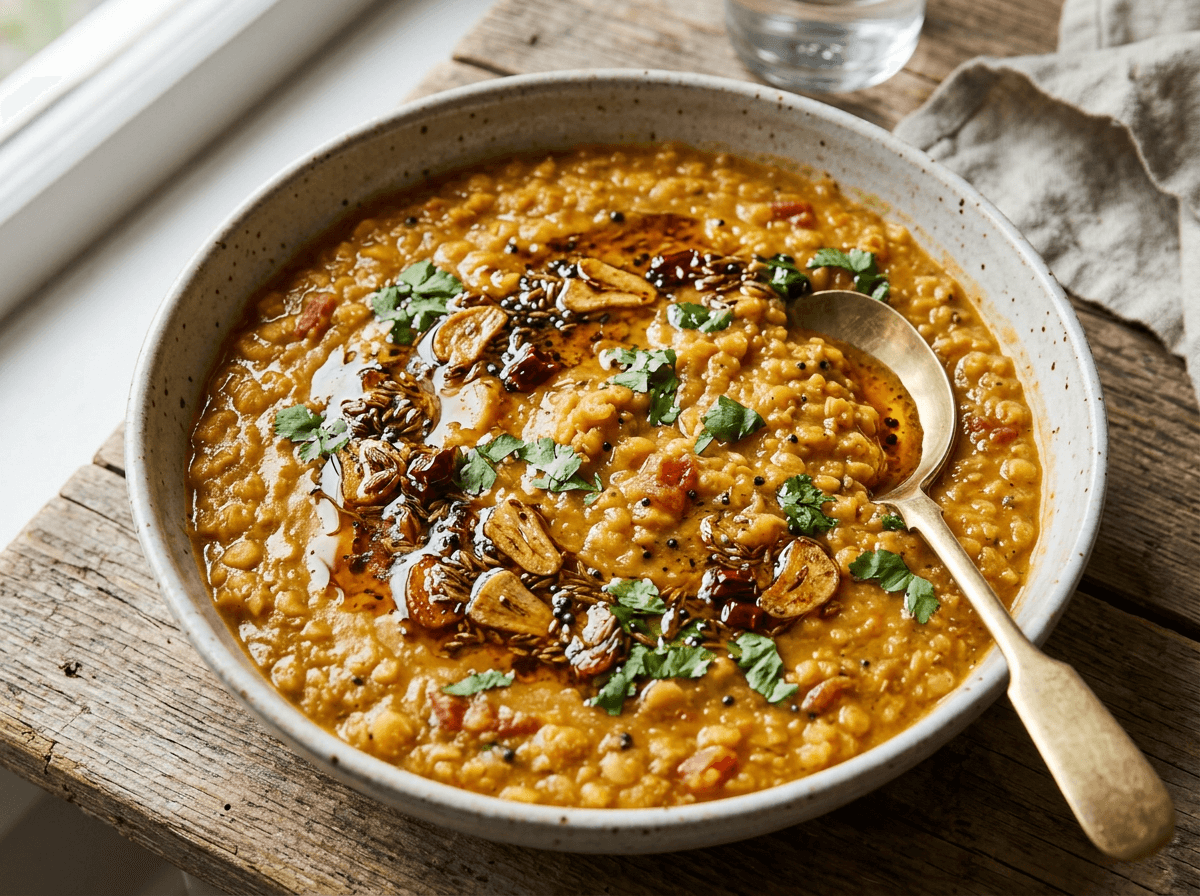
These are strong solo-cooking choices because both hold well, portion neatly and taste just as good on night two or from the freezer. Dal Tadka, ready in 42 minutes, is especially useful when you want one proper dinner now and two emergency meals later.
Cook once, then change the format instead of repeating the plate
People say they hate leftovers when what they actually hate is repetition. Eating the exact same chicken curry from the exact same bowl three nights in a row is not meal planning. It is surrender.
The fix is simple: batch-cook a component, not a finished emotional experience. Make a tray of meatballs, a pot of ragù, a casserole or a lentil base, then serve it in different formats. That distinction is what keeps solo cooking from becoming grim.
Take Pork & Fennel Meatballs, ready in 42 minutes. Night one, have them with polenta or pasta. Night two, slice two meatballs into a toasted sandwich with mozzarella and greens. Night three, warm a couple in tomato sauce and spoon them over buttery beans. Same base, different dinner. Your brain reads that as variety, even if your freezer reads it as efficiency.
The same logic works with stews and casseroles. Beef Moussaka Casserole, ready in 80 minutes, is not just one large tray bake. Portion one serving for tonight, one for tomorrow’s lunch, and freeze the other portions flat in zip bags or shallow containers. Flat portions defrost faster and stop you from committing to a full brick of food when all you want is one decent Tuesday dinner.
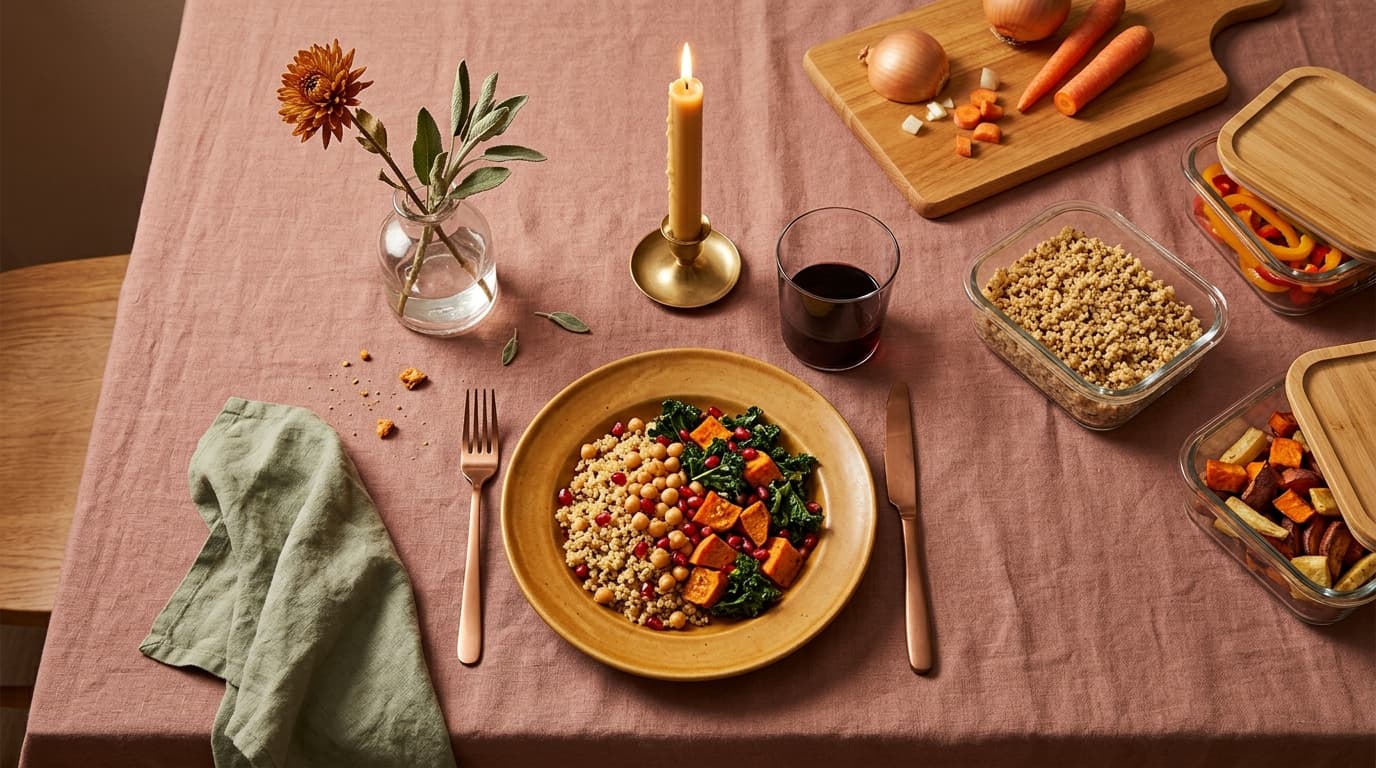
One of the best solo-cooking tricks is to separate starch from sauce before storing. Freeze ragù without pasta. Freeze curry without rice. Freeze enchilada filling separately if you can. Rice, pasta and potatoes are cheap and fast; they are better made fresh than reheated into sadness. The expensive, time-consuming bit is the savoury base, so that is what deserves your freezer space.
If you want more ideas in this lane, freezer-friendly recipes are far more useful for one person than flashy 15-minute dinners. Speed is helpful, but resilience is what saves your week.
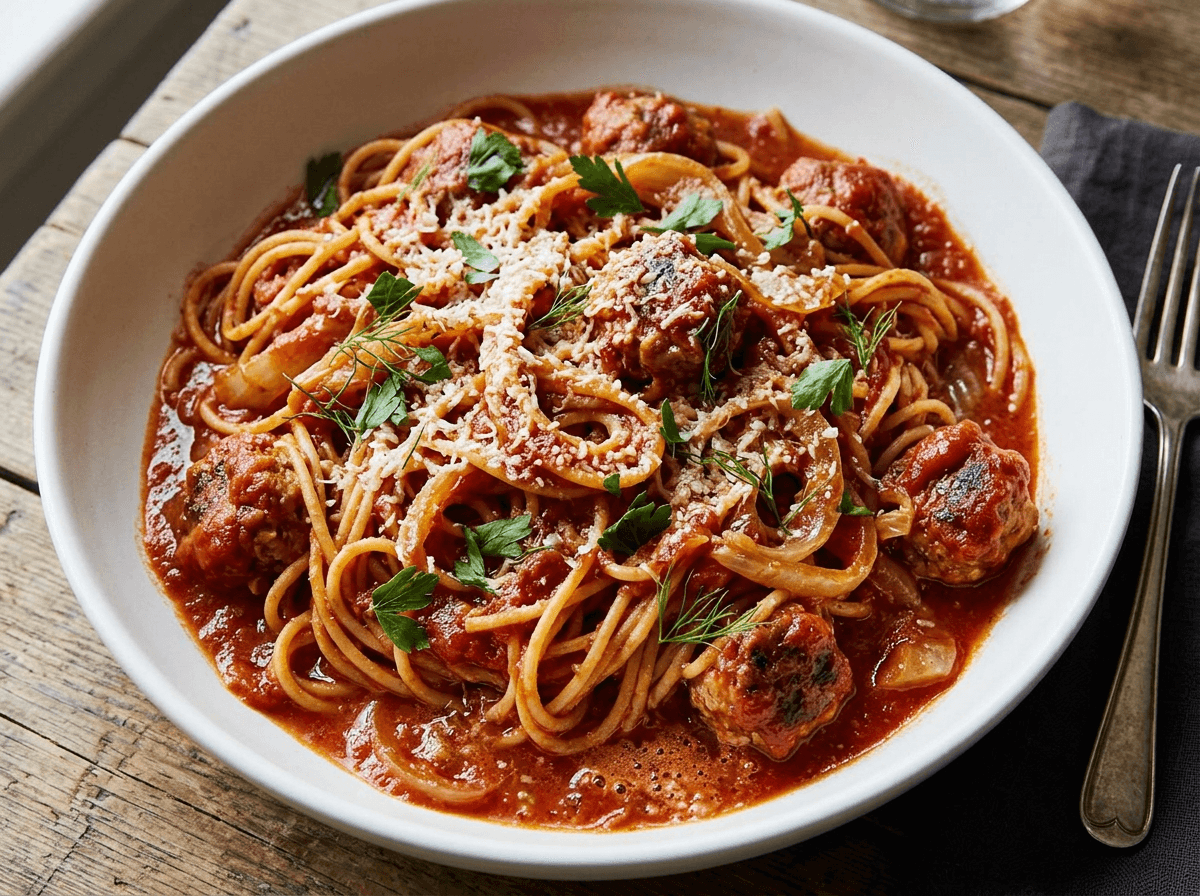
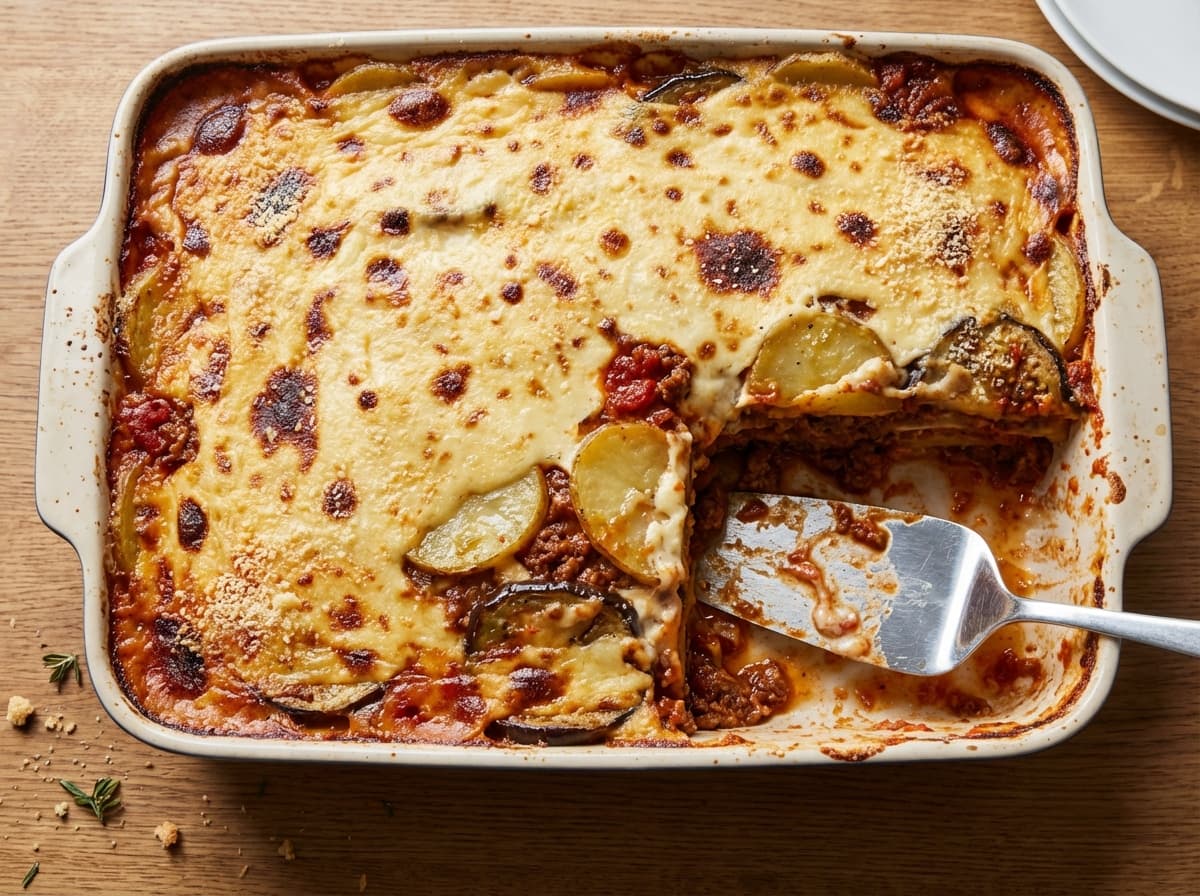
Both recipes suit solo meal planning because they survive portioning without losing texture or flavour. They also reappear well in different forms, which is the difference between strategic leftovers and culinary Groundhog Day.
A good solo batch-cook should pass three tests
If a recipe fails one of those tests, it is probably not worth making in quantity when you live alone.
Portion scaling is not maths, it is packaging
Most advice about cooking for one tells you to halve recipes. Fine in theory, irritating in practice.
You can halve an onion, but you cannot buy half a bunch of coriander or half a standard pack of chicken thighs. Solo meal planning works better when you stop obsessing over textbook portion scaling and start thinking in supermarket units. Cook according to how ingredients are sold, then portion according to how you want to eat.
This is why recipes with natural stopping points are so valuable. A stir-fry for one can be awkward if the sauce leaves you with odd bits of veg. A curry, soup, braise or baked dish is more forgiving because the extra portion is built in. You are not overcooking; you are pre-cooking.
The trick is to scale proteins carefully and sides flexibly. If a pack gives you 400g of mince, cook the lot and freeze in two or three portions. If a recipe wants one-third of a cauliflower, do not pretend you will remember the rest next week. Roast the whole thing while the oven is on and use the leftovers in a salad, soup or grain bowl. Heat is your best anti-waste tool.
Single-portion freezing also needs more precision than people realise. Cool food quickly, portion it into containers no deeper than 5cm, label it with both the dish and the date, and freeze rice separately where possible. What ruins solo freezer meals is not the freezer; it is mystery tubs and portions too large to defrost sensibly.
For lighter weeks, it helps to mix one freezer dinner with one genuinely fresh plate. Miso Butter Cod & Greens, ready in 28 minutes, is ideal for this because it feels clean and immediate, not like a compromise meal made from scraps. The same goes for Vietnamese Spring Roll Bowl, ready in 27 minutes, which is a clever way to use up herbs, cucumber and carrots before they collapse in the crisper drawer. If you need more options like that, browse light dinner recipes rather than defaulting to expensive takeaway salads.
Another useful rule: never scale down seasoning at the same rate as volume without tasting. Small portions often need disproportionately assertive seasoning because there is less margin for blandness. A solo bowl of lentils should taste vivid, not dutiful.
Motivation matters more than discipline when you live alone
The hardest part of cooking for one is not cost or skill. It is the moment at 7.15pm when nobody is coming over, nobody will praise the meal, and toast starts making a persuasive case for itself.
This is where most meal planning advice becomes uselessly virtuous. You do not need more discipline. You need lower-friction dinners and a week that recognises your energy will vary.
Build your solo week around three effort levels: one proper cook, two medium-lift meals, and two near-automatic dinners. The proper cook is your batch-cook anchor. The medium-lift meals are fresh dishes that make you feel like a functioning adult. The near-automatic dinners are there for the nights when your ambition has left the building.
A good near-automatic dinner still needs standards. It should involve one pan, one fresh element and one thing you genuinely like. That could be reheated dal with fried eggs and lime, frozen meatballs with dressed rocket, or a fast noodle dish that does not leave six open jars behind. The point is to make the easy option respectable.
This is also why you should retire the fantasy self who cooks elaborate new recipes five nights a week. Most people living alone need a repeating structure, not endless novelty. Eatpace leans into that reality: after a quick taste calibration, it can generate a dinner week matched to your time, diet and skill level, then let you swap any meal instantly if Tuesday suddenly looks more like “faster” than “aspirational”.
The emotional side matters too. Plate your food properly at least twice a week. Use the bowl you like. Add the herb garnish. Sit down. Solo cooking becomes bleak when every meal feels provisional, as if you are waiting for your real life to start. It has started; dinner should behave accordingly.
For that reason, one fresh, quick dinner each week should feel a bit elegant. Miso Butter Cod & Greens, ready in 28 minutes, does the job beautifully because it is fast without reading as austere. Chicken Enchiladas, ready in 60 minutes, work at the other end of the spectrum: one worthwhile cooking session that gives you several deeply comforting meals without further effort.
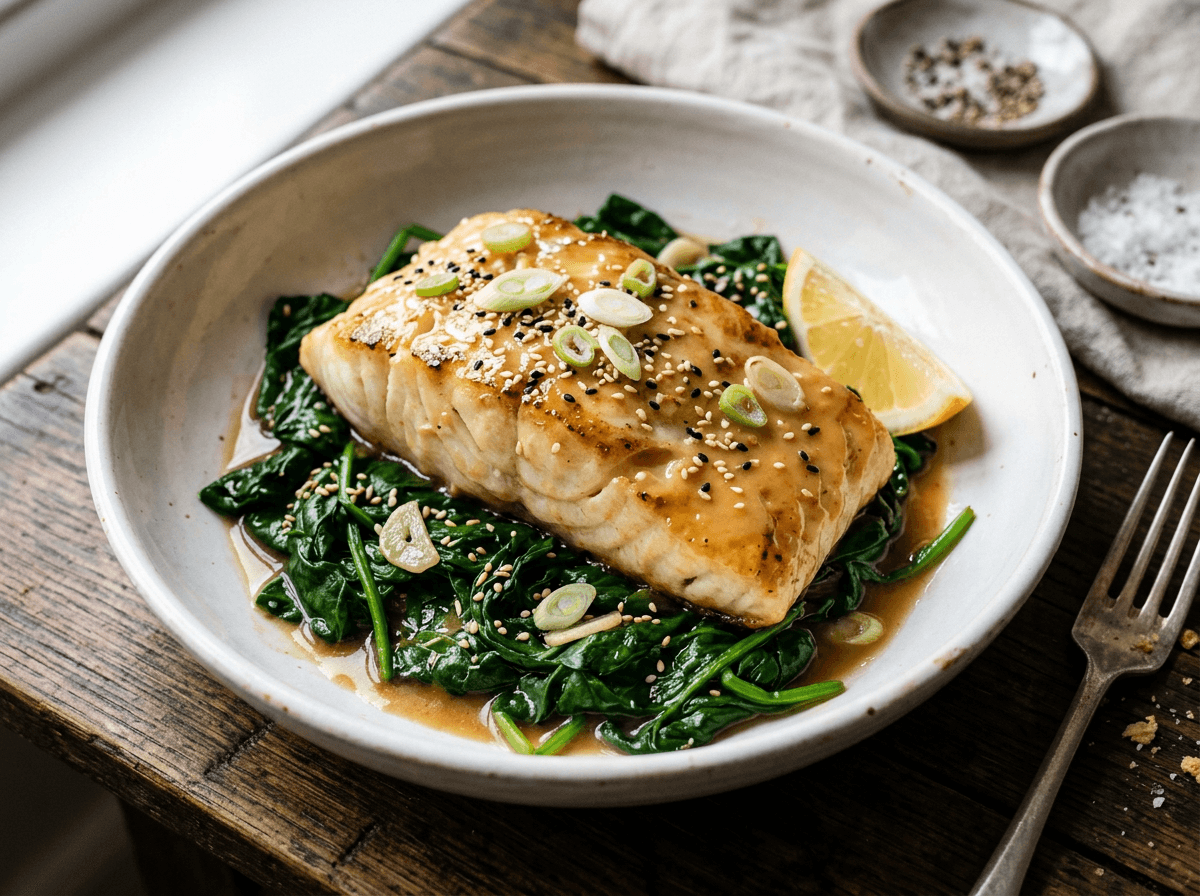
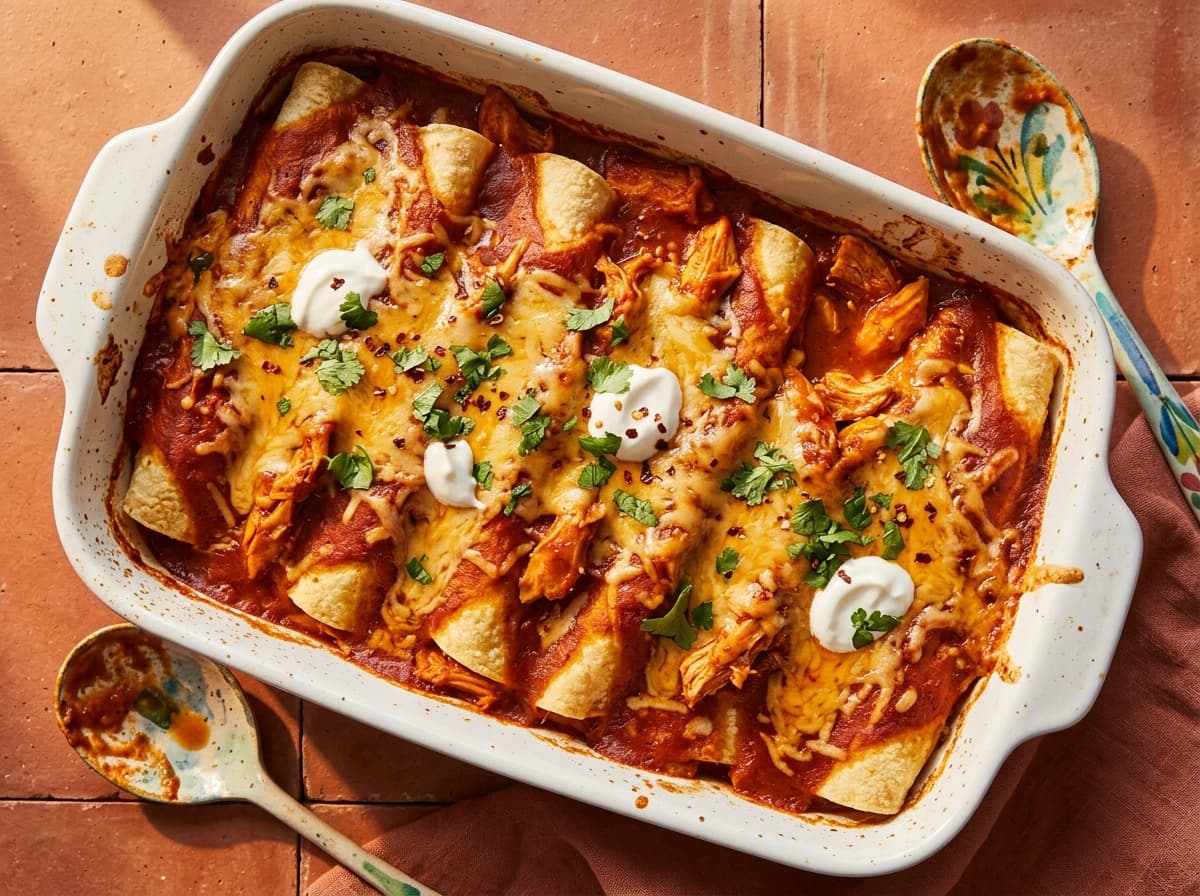
These fit the topic for opposite reasons. One rescues low-energy evenings with minimal cleanup; the other turns one hour of effort into multiple dinners you will actually look forward to.
Build a solo dinner week that assumes real life, not best behaviour
The best meal plan for one is slightly defensive. It assumes one late meeting, one tired evening, one impulsive takeaway temptation and one night when you simply do not fancy what you planned.
That means your week should never contain five tightly scheduled fresh recipes. You want one anchor batch-cook, two flexible fresh meals using overlapping ingredients, one freezer back-up and one low-effort rescue dinner made from staples. Anything more ambitious is usually theatre.
A realistic solo structure might look like this: Sunday, cook a batch of dal or casserole and freeze two portions immediately before you can “accidentally” eat them all week. Monday, make a light fresh dinner using herbs and greens while they are still lively. Wednesday, use a medium-effort meal that shares ingredients with Monday. Thursday, deploy a freezer portion. Friday, keep something almost laughably easy in reserve.
The immediate-freeze rule is essential. Do not leave all leftovers in the fridge telling yourself you are being flexible. That is how portions drift into waste. The moment a batch recipe is cool, divide it into tonight, tomorrow and freezer. Decision made, problem solved.
Another underrated tactic is the deliberate gap night. Plan only four dinners if you know your week is chaotic. A sparse plan you actually cook is better than a perfect one you ignore. This is where a personalised planner earns its keep: Eatpace can create a week of 3-7 dinners, which suits solo cooks brilliantly because some weeks need structure and some need breathing room. Near the end of the week, the auto-generated shopping list is often the real relief, because it keeps you from overbuying by habit rather than need.
Finally, judge your meal plan by waste, not by novelty. If you used the whole bag of spinach, froze two excellent portions, and ate proper dinners four nights out of five, that is a successful week. You are not trying to run a restaurant. You are trying to make your own life easier.
How do I scale down recipes for one person without ruining them?
What meals freeze best in single portions?
How do I stay motivated to cook when I live alone?
Is it cheaper to meal plan for one or just buy food day by day?
Should I freeze cooked rice with meals or keep it separate?
In this article
Plan your week in 30 seconds
Eatpace generates a personalised dinner plan for you. Free to try.
Download the app