The Busy Parent’s Guide to Weeknight Dinners That Actually Happen
Practical dinner tactics for the hour between school pick-up and bedtime, when everyone is hungry and your patience is thin.
If weeknight dinner feels hardest at exactly the moment you are least capable of solving it, that is because it is. The hour after school is a bottleneck: bags on the floor, someone crying over phonics, someone else asking for toast, and you trying to remember whether the chicken in the fridge is still fine. Busy parent weeknight dinners are not about culinary ambition. They are about friction.
The useful question is not “What do I feel like cooking?” It is “What kind of evening is this?” That is why tools like Eatpace can be genuinely helpful: instead of staring into the fridge hoping inspiration arrives, you can get a personalised week sorted around your actual time, skill and household preferences. Relief beats inspiration every time.
Stop planning dinners by recipe and start planning by household traffic
Most parents make the same mistake: they choose dinners by craving rather than by the shape of the evening. Tuesday is not just Tuesday. It might be the late-club night, the swimming night, or the night one child melts down because they are overtired by 5.45 pm. A recipe that is perfectly manageable on Thursday can be a disaster on Monday.
The fix is to group your week into traffic-light nights. Green nights are the rare calm ones when everyone is home at a sensible time and you can tolerate chopping an onion without being interrupted four times. Amber nights need dinner on the table fast but still allow one pan and a bit of attention. Red nights are survival nights: short cooking time, low washing up, and absolutely no recipe with three separate components.
This sounds obvious, but most people never do it properly. They just say they are “busy all week”, which is too vague to be useful. Be specific. If Wednesday involves school pick-up, football, baths and a 7 pm bedtime for the youngest, that is a red night. Put your easiest dinner there, not your optimistic one.
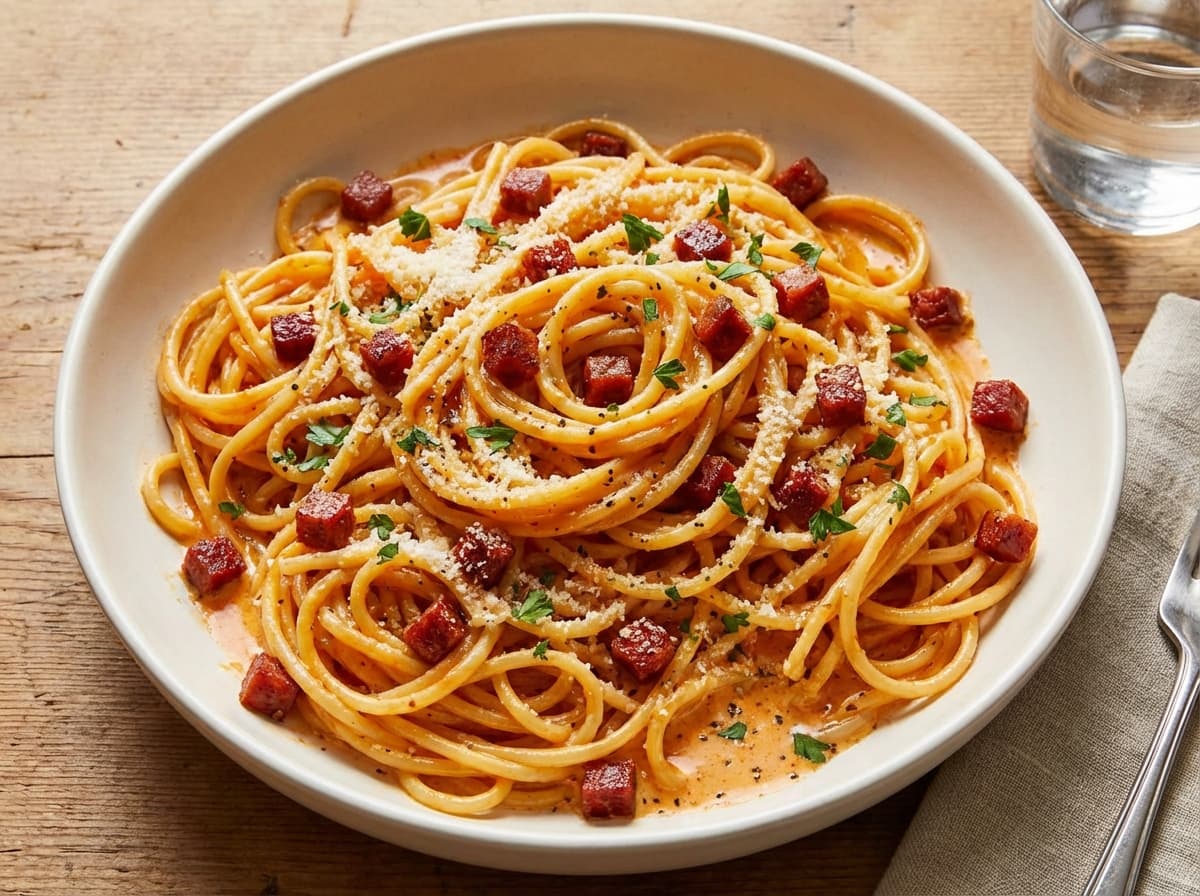
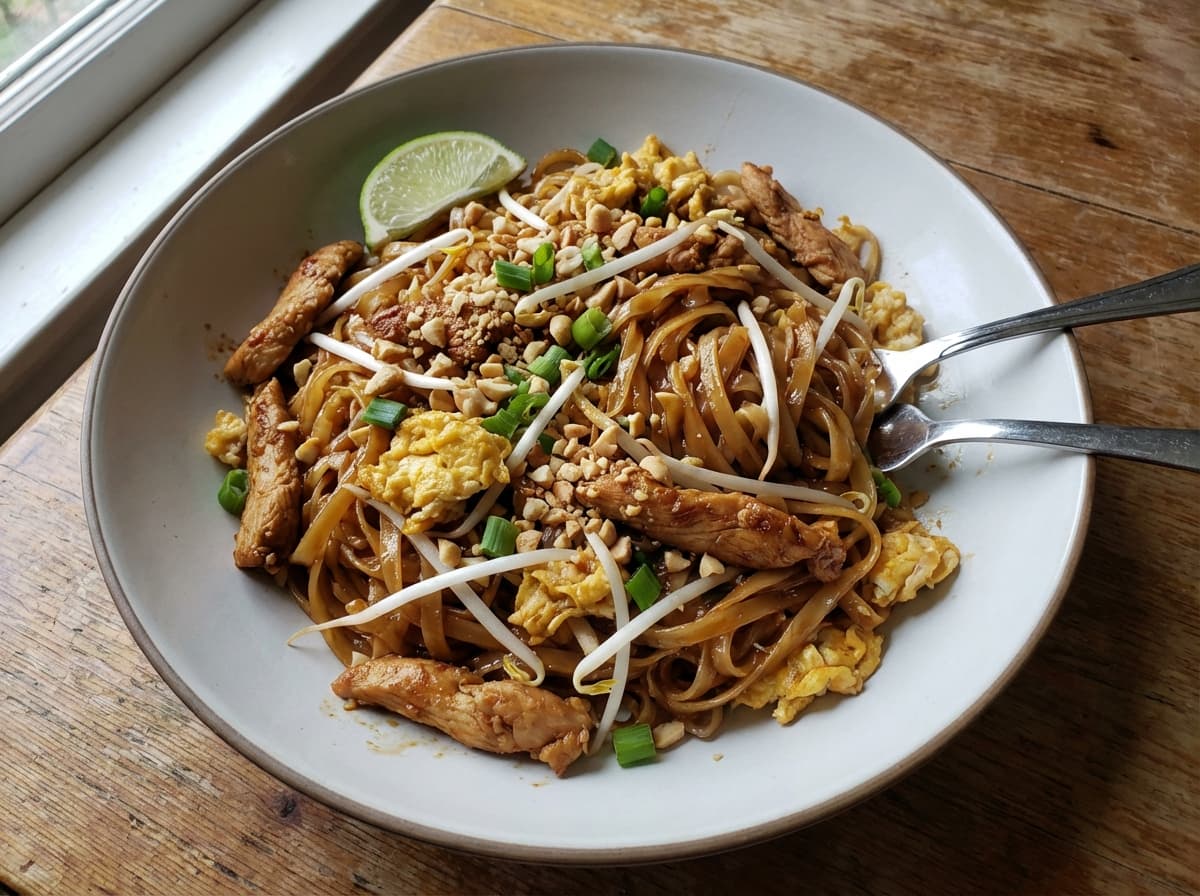
On red nights, recipes with a true 25 to 30 minute total time are gold because they fit the window between shoes off and bedtime resistance. Chorizo Carbonara is ready in 25 minutes and works because it tastes indulgent while using a short ingredient list. Chicken Pad Thai is ready in 30 minutes and is one of those rare dinners that feels like takeaway without creating a mountain of pans.
If you need more options in this lane, browse easy dinner recipes and kid-friendly recipes. The overlap is where weeknight sanity lives.
These are the kinds of meals worth keeping in regular rotation because they solve a specific problem: they are fast, familiar and forgiving if you have to pause halfway through to referee an argument over Lego.
The point is not to make every dinner ultra-simple. The point is to stop wasting your easiest evenings on your easiest recipes. Save a 42-minute comfort meal for the night you can actually enjoy cooking it. Use your shortest, most reliable dinners as tactical cover on the nights that usually go wrong.
Build a weeknight dinner routine that survives school bags, snacks and split bedtimes
The most effective dinner routine is not elegant. It is mechanical. You want a sequence that still works when you are distracted, touched out and halfway through answering an email from school. Decision-making is the enemy here. A repeatable order of operations is what saves you.
The crucial shift is this: stop treating dinner as a single event starting at 6 pm. For parents, dinner starts the minute everyone walks through the door. The first ten minutes after school decide whether you are heading towards a proper meal or a beige emergency plate at 7.20 pm.
Here is a routine that works because it manages hunger before it turns into chaos.
This routine works because it removes the dead zone between arriving home and beginning to cook. That dead zone is where people reach for toast, scroll on their phone, or start ten unrelated jobs. Dinner then becomes emotionally heavier by the minute.
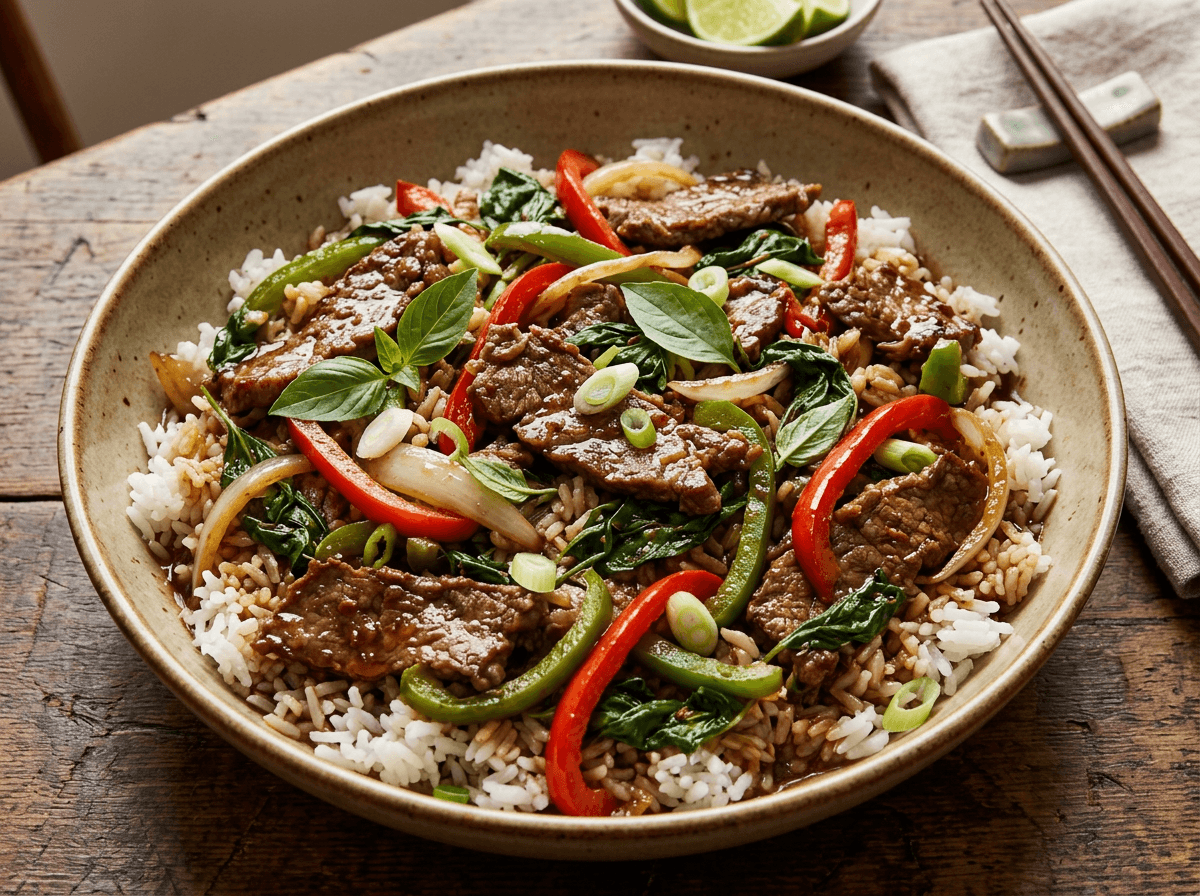
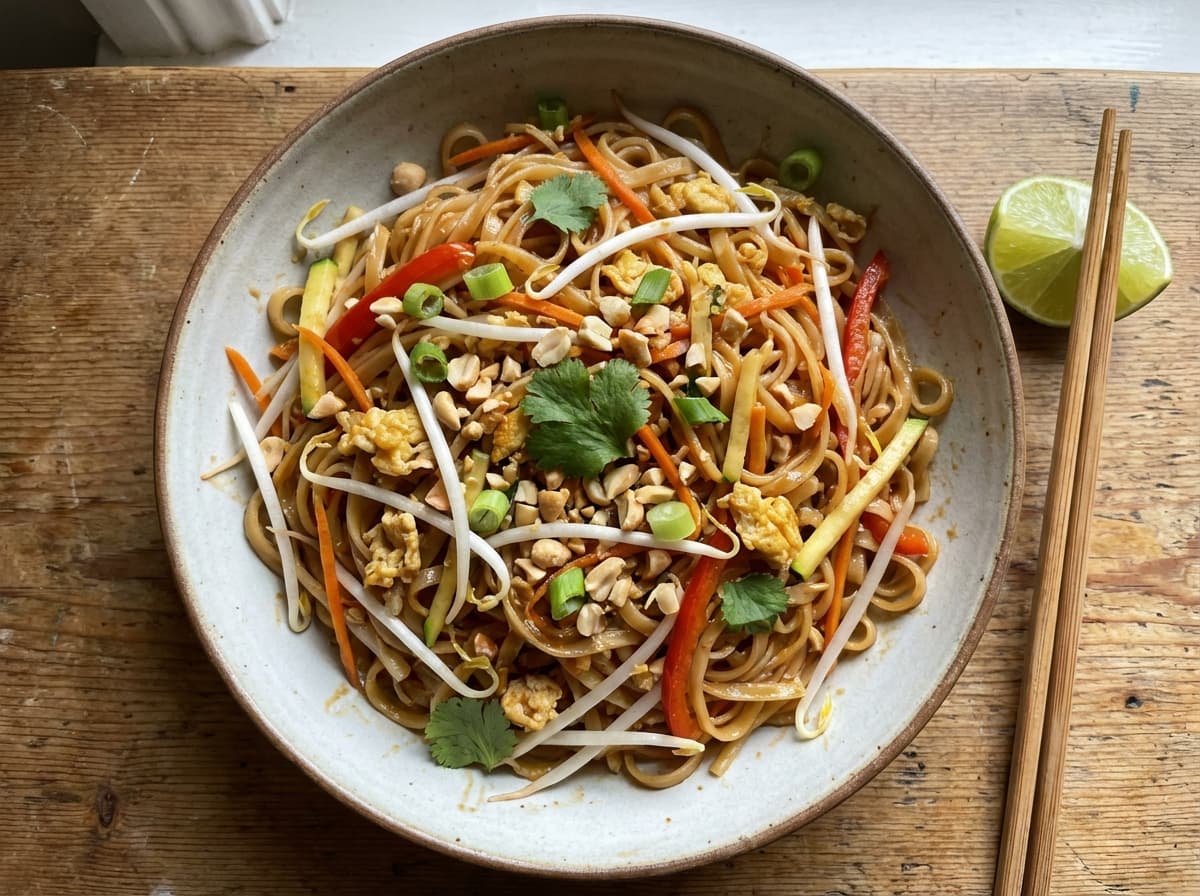
A good amber-night choice is Thai Basil Beef Stir-Fry, ready in 26 minutes. It is quick enough for a school night but tastes sharp and savoury enough to feel like adult food. Vegetable Pad Thai, ready in 28 minutes, is another smart option when you need something flexible: adults can add chilli at the table, children can keep theirs plain, and nobody feels punished.
These are the sort of meals that fit a real evening, not an imaginary one where everyone cheerfully waits their turn.
If you want a system rather than a stack of saved recipes, this is where Eatpace earns its keep. You can tap “Create my week”, get dinners matched to your actual time and preferences, and swap any meal instantly if Thursday suddenly becomes a red night instead of an amber one.
Choose meals with built-in flexibility, not meals that demand perfect behaviour
A lot of weeknight dinner advice assumes your household will cooperate. It will not. Someone will refuse sauce. Someone will suddenly hate rice despite eating it happily yesterday. Someone will need to leave the table for a nappy change or spelling practice. The best family dinners are not the “everyone eats exactly the same thing” fantasy. They are meals with adjustable edges.
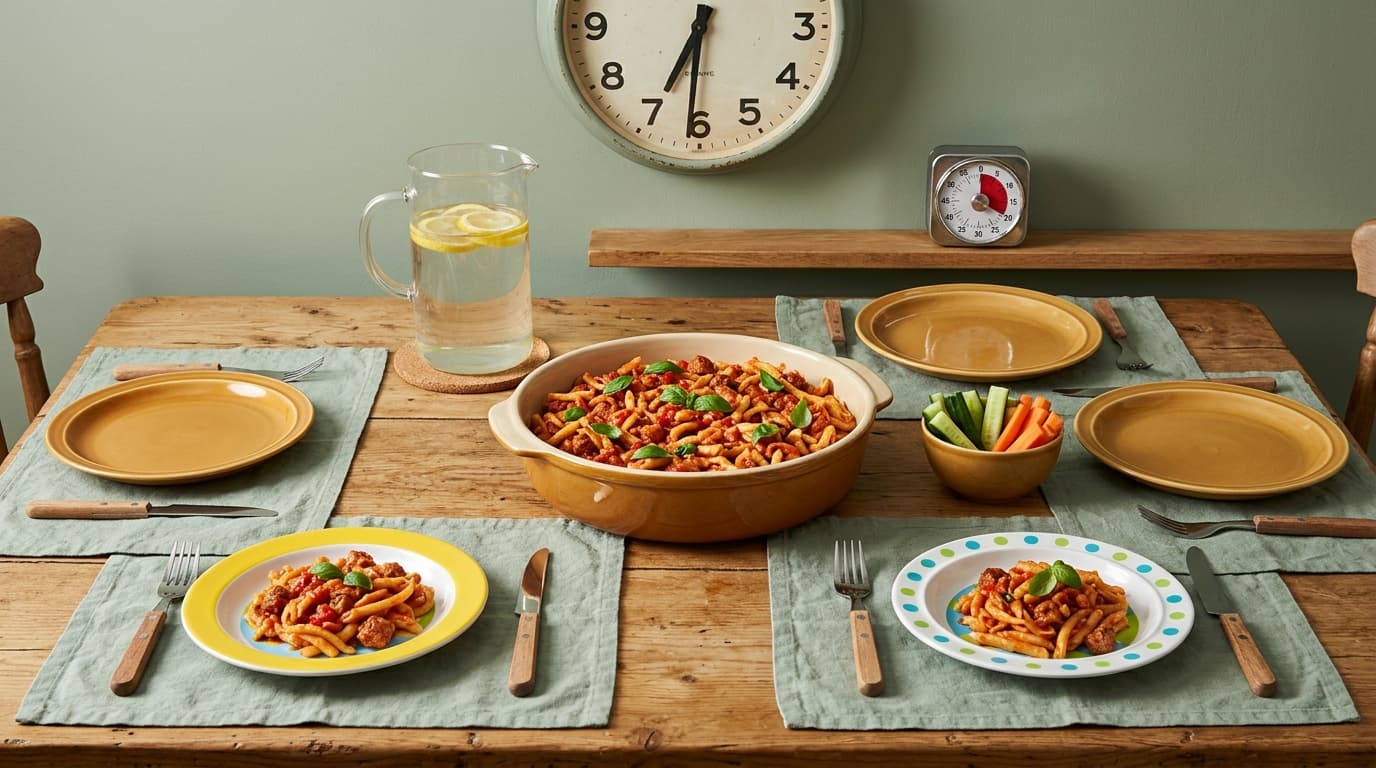
Think in components. Bowls, stir-fries, curries and pasta dishes work well because you can tweak the final assembly without cooking two separate dinners. That is not pandering; it is efficient. A child can have noodles with chicken and cucumber while you keep the herbs, chilli and lime on your own plate. Same base, different finish.
This is why Chicken Korma Curry & Rice remains such a useful family format. It is ready in 42 minutes, mild enough for children, and easy to serve in layers if a toddler is suspicious of mixed textures. Butter Chicken Curry, also ready in 42 minutes, has the same advantage: one pan, familiar flavours, and leftovers that improve by the next day. These are not flashy meals, but they are deeply practical.
Parents often think they need “kid food” and “adult food”. Usually you just need one dinner with optional intensity. Keep garnishes and stronger flavours at the table instead of in the pan. Add coriander, chilli crisp, pickled onions or extra yoghurt after plating. Children get the base version; you get something that still tastes alive.
The same logic applies to texture. Crispy or separated elements buy you goodwill. Rice next to curry often goes down better than a fully stirred-together bowl. Sauce on the side is not a failure. It is a negotiation tactic.
Browse kid-friendly recipes when you need meals that already lean this way, and dip into easy dinner recipes when your week has no margin at all. The sweet spot is dinner that can bend without breaking.
Another overlooked trick is to repeat formats, not exact meals. Monday can be “rice bowl night”, Wednesday “pasta night”, Friday “wrap or flatbread night”. Children like the predictability, but you are not trapped cooking the same dish. That structure lowers resistance because dinner feels familiar before it even reaches the table.
Batch cooking for families works best when you batch the right part of dinner
Batch cooking is often sold as if you should spend Sunday filling the freezer with complete meals in identical containers. In real family life, that can be oddly unhelpful. Children change their minds, adults get bored, and a full reheated casserole can feel heavy on a Wednesday when what you really need is half the work already done, not a total repeat.
The smarter move is to batch the expensive part of your effort: the slow-cooked base, the protein, or the sauce. Then finish it differently during the week. This gives you variety without asking you to start from scratch.
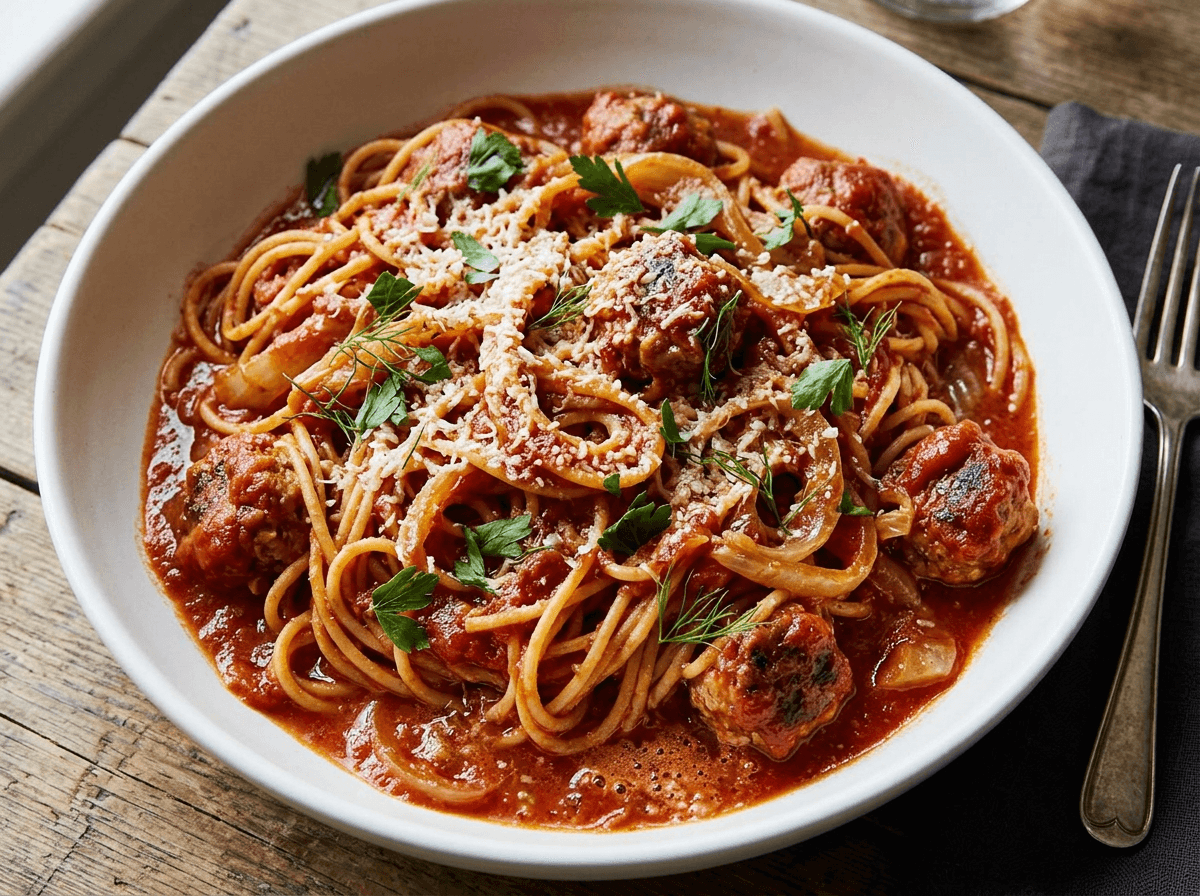
Take Pork & Fennel Meatballs, ready in 42 minutes. Make a double batch and freeze half cooked. One night they go with pasta, another night tucked into rolls with mozzarella, and a third sliced into a lunchbox with cucumber and buttered pasta. Chicken Enchiladas, ready in 60 minutes, are equally useful if you think beyond the tray: the filling can become wraps, quesadillas or baked potatoes later in the week.
For families, this matters because leftovers need a second identity. Children are much more willing to eat “crispy tortilla pockets” than “the enchilada leftovers from Tuesday”. Same food, different framing.
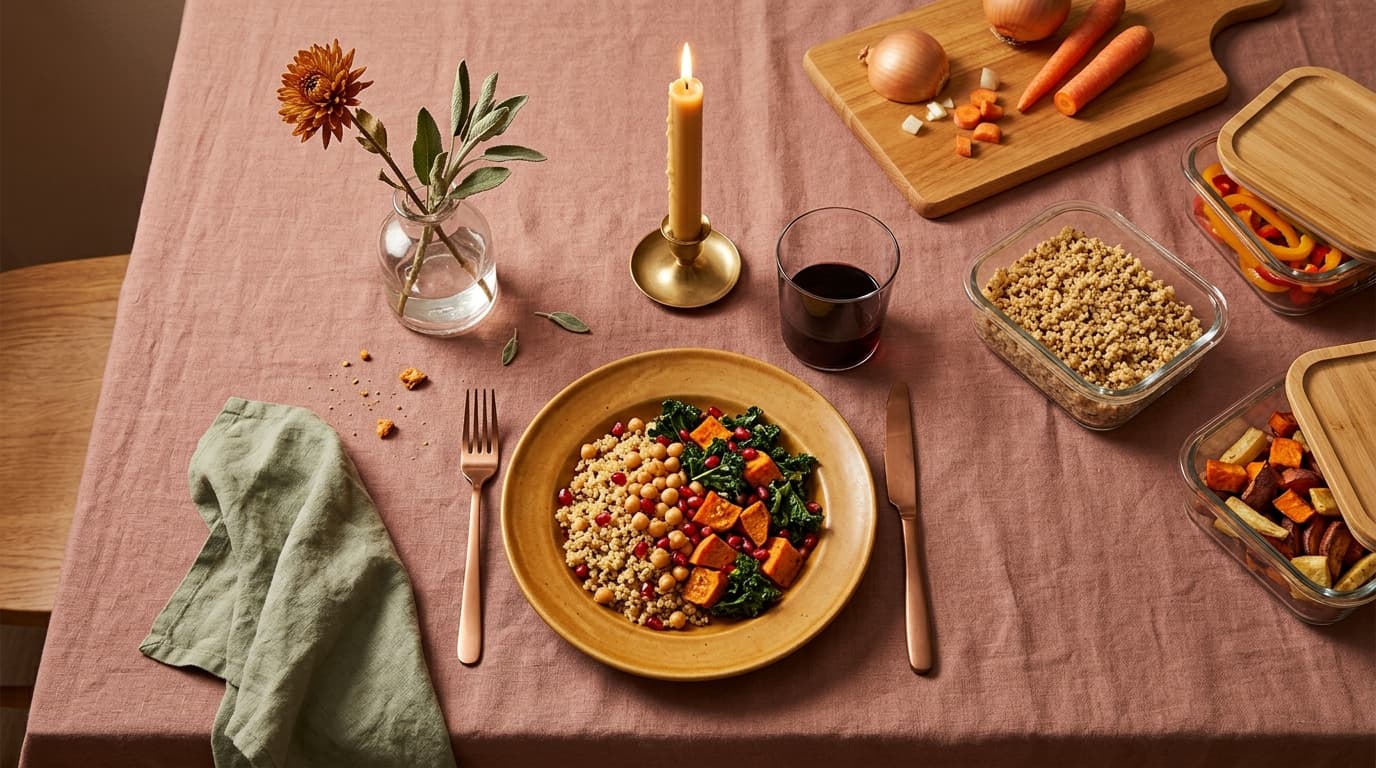
You can also batch-cook neutral supporting players. A tray of roasted peppers and onions, a pot of rice, or a tub of grated cheese can rescue a weeknight faster than a frozen stew. These ingredients let you turn a near-miss into dinner. Leftover rice becomes a fast bowl. Roasted vegetables bulk out pasta sauce. Grated cheese buys acceptance for almost anything involving beans or eggs.
If you want more ideas in this vein, kid-friendly recipes are useful for repeatable family wins, while easy dinner recipes help when your batch-cooked base still needs a fast finish.
These two recipes are especially good for parents because they stretch beyond one sitting and do not feel punishing to revisit.

One final practical point: batch-cook on the day you have the most patience, not the most free time. Those are not always the same thing. A resentful Sunday cook-up is how you end up ordering takeaway by Tuesday anyway.
Make weeknight dinners easier by reducing decisions after 4 pm
By late afternoon, the problem is not usually cooking skill. It is cognitive fatigue. You have already made dozens of decisions: clothes, emails, snacks, homework, logistics, maybe work deadlines too. Asking yourself to invent dinner from scratch at 5.20 pm is absurd.
This is why the best dinner systems remove choices at the exact moment your brain is least interested in making them. Pick five dinner types for the week. Assign them to the traffic-light nights. Keep one emergency meal on standby that uses freezer or cupboard staples. Then stop revisiting the plan unless the day genuinely changes.
A useful rule is to limit your swaps to one category at a time. If you planned a quick noodle dish and the evening goes sideways, switch to another quick dinner, not to a completely different project. That keeps your ingredients and effort roughly in the same lane. It is also why a planning app can be more helpful than a handwritten list. Eatpace lets you swap a planned meal instantly for something similar, faster, lighter or completely different, without having to rebuild the whole week or rewrite your shopping list.
The hidden benefit is emotional, not just logistical. Dinner stops being the thing hanging over you all afternoon. You already know what is happening. You know roughly how long it takes. You know whether tonight is a one-pan job or a leftovers night. That certainty is calming.
Do not chase novelty from Monday to Friday. Save your experimental cooking for the weekend or the one green night where it will actually be fun. On school nights, repetition is not boring; it is infrastructure. A regular cycle of pasta, stir-fry, curry, traybake and rescue meal is more than enough.
And if you are constantly stuck in the “what on earth are we eating?” loop, the most useful thing is not another Pinterest board. It is a system that turns your preferences into a week of realistic dinners and gives you the shopping list automatically. That is precisely the sort of relief Eatpace is built for.
How do I serve the same dinner to a toddler and older children without cooking twice?
Is batch cooking worth it for families if my children get bored of leftovers?
What are the best weeknight dinners when one child eats early because of bedtime?
Can I use dinner leftovers for school lunch without everyone getting sick of the same food?
What should I cook on nights when I have 30 minutes and no patience?
In this article
Plan your week in 30 seconds
Eatpace generates a personalised dinner plan for you. Free to try.
Download the app