How to Meal Prep for the Week in Under 2 Hours
A realistic Sunday prep session: what to batch, what to leave fresh, and how to stop Wednesday dinners tasting like leftovers
If you want to meal prep for the week in under 2 hours, stop trying to fully cook every dinner. That is the mistake that turns Sunday into a slog and Thursday into a fridge full of tired food. The smarter approach is to prep the expensive parts of effort — chopping, sauces, grains, proteins and one proper batch dish — then cook the fast-finish meals fresh in 10 to 20 minutes later in the week.
That is the sweet spot. You get the relief of opening the fridge and seeing half the work already done, without committing yourself to five identical lunches in plastic tubs. If you use a dinner planning app like Eatpace, this is exactly the sort of week that works best: one quick taste calibration, one tap on “Create my week”, then a set of dinners you can still swap if Tuesday suddenly needs to be faster or lighter.
The 2-hour meal prep method that actually works
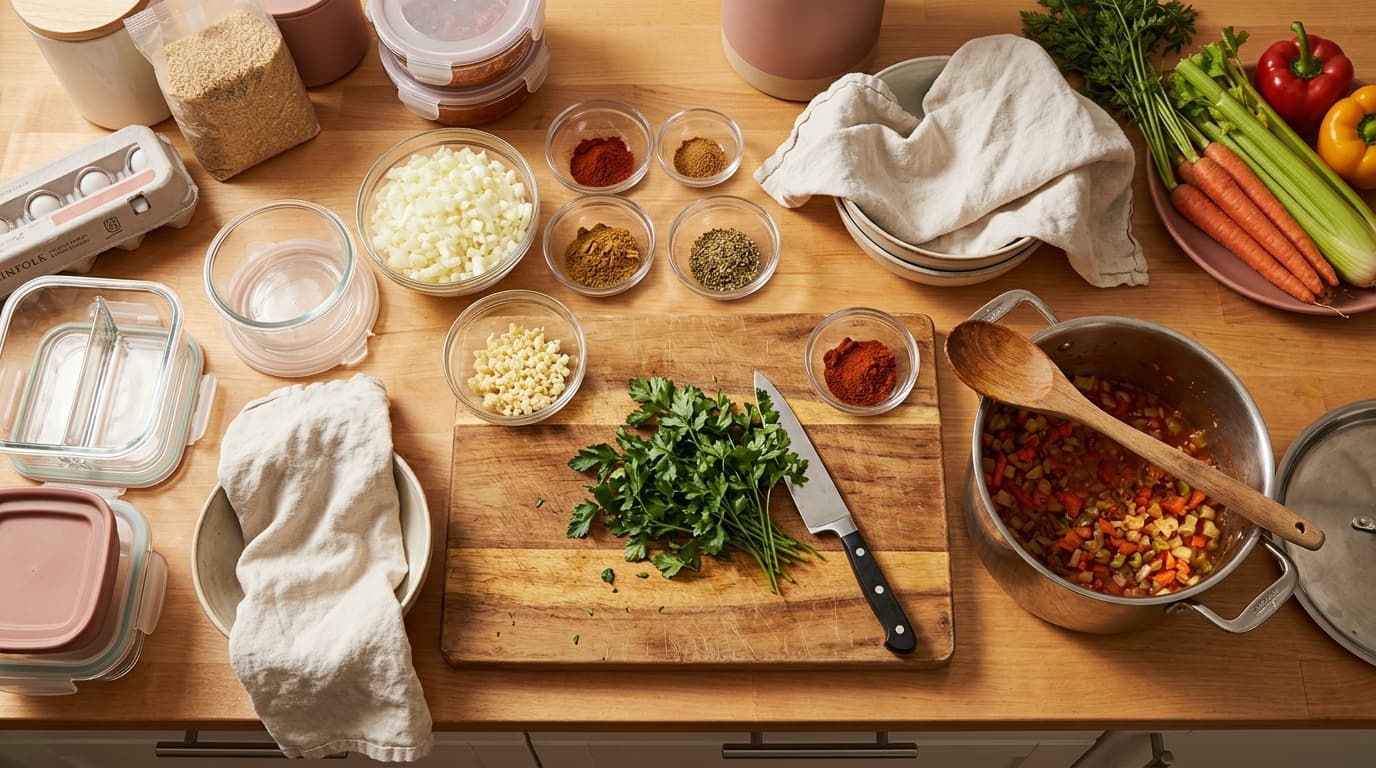
The best Sunday prep session has a strict brief: one base grain, one or two proteins, two vegetables cooked, one vegetable left raw, one sauce or dressing, and one proper batch-cooked main. Anything beyond that is usually vanity prep. It looks organised on Sunday and feels oppressive by Wednesday.
Think in components, not finished meals. Cook a tray of roasted broccoli and carrots, a pot of rice, and a quick pickle of red onions, and you have the backbone for bowls, wraps, curry nights and emergency “everything in a pan” dinners. Prep chicken for one meal and tofu for another, and suddenly your week has range instead of repetition.
The framework I rate most is protein + grain + veg. It is boring on paper and brilliant in practice because it stops you over-prepping fiddly dishes that do not hold well.
A 2-hour session also needs overlap. Your oven should be working while a pot simmers and your chopping board is doing double duty. If you roast vegetables first, use the same tray heat to finish meatballs or enchiladas later. If rice is on the hob, use those 18 to 20 minutes to mix a yoghurt sauce, wash herbs and portion out tomorrow’s dinner ingredients.
The reason this works is psychological as much as practical. A fridge full of components feels adaptable. A fridge full of fully assembled meals feels like a contract. For more make-ahead ideas, browse meal prep recipes and batch cooking recipes with that distinction in mind.
What to prep on Sunday and what to cook fresh later
Not everything deserves Sunday treatment. Rice, roasted vegetables, lentils, meatballs, braised dishes and sturdy sauces improve or at least hold steady. Delicate noodles, quick-seared fish, dressed herbs, crispy toppings and anything with a just-cooked texture should be left for the day you eat it.
This is where most people waste time. They prep the wrong things because they are trying to eliminate all weeknight cooking, when the real goal is to reduce friction. You do not need zero cooking on Wednesday. You need a Wednesday dinner that asks for one pan and 12 minutes of attention.
Take bowls and stir-fries. The smart move is to prep the base and the flavour, not the final dish. Cook rice, shred cabbage, whisk a soy-lime dressing, and marinate beef or tofu. Then on the night, you simply sear and assemble. That preserves texture and stops the whole thing tasting flat.
The same logic applies to pasta. A creamy pasta cooked on Sunday is usually miserable by Tuesday. But a tray of roasted peppers, browned sausage, grated cheese and washed spinach means you can throw together a proper dinner fast. If you want inspiration that suits this style, easy dinner recipes and one-pot recipes are far more useful than rigid meal-prep grids.
A batch dish should earn its space by improving after a rest. Dal, enchiladas, ragù, moussaka-style bakes and slow curries are ideal because the flavours settle and deepen. By contrast, a salad with hot halloumi or a fish bowl should be prepped in parts and finished fresh.
Two excellent examples are Palak Dal Curry, ready in 42 minutes, and Chicken Enchiladas, ready in 60 minutes. Both hold beautifully, portion neatly, and still taste like dinner rather than leftovers. They are exactly the sort of dishes you want waiting in the fridge when Thursday turns feral.
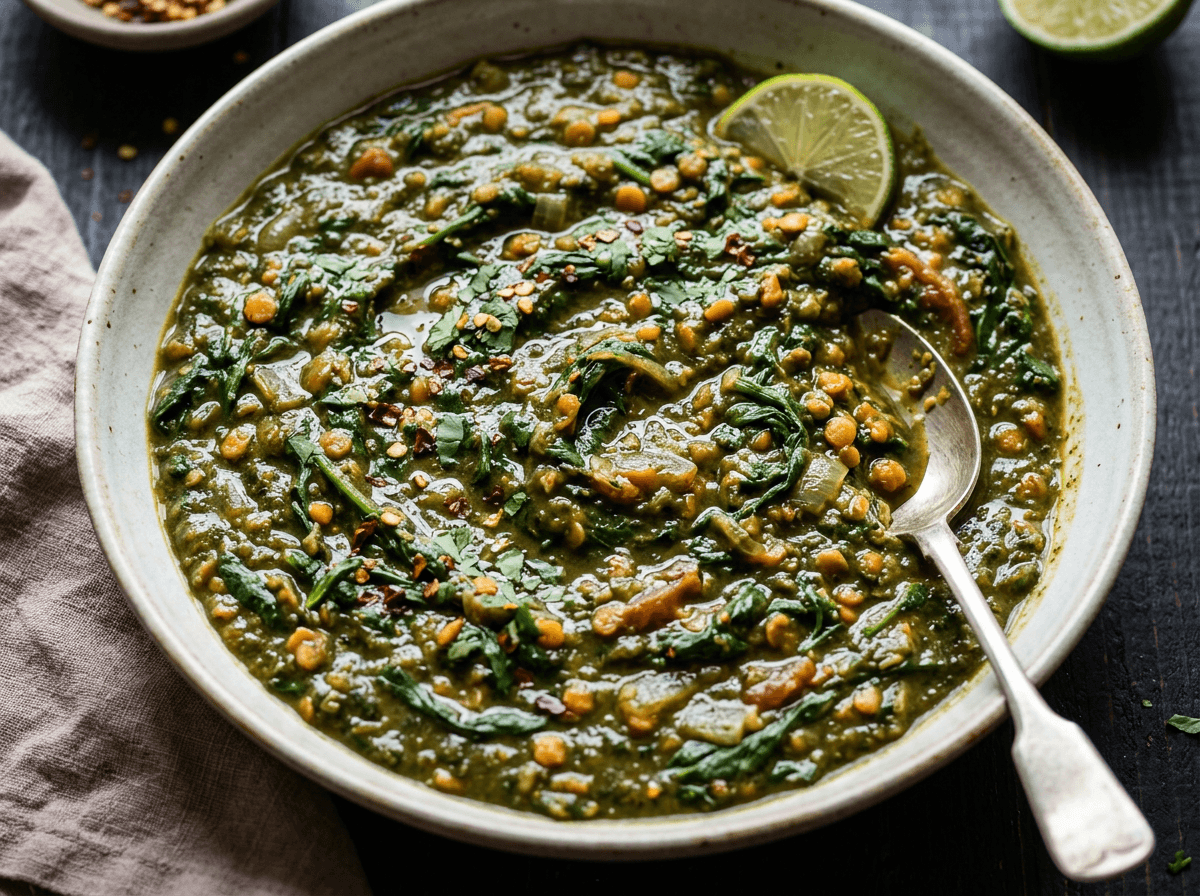
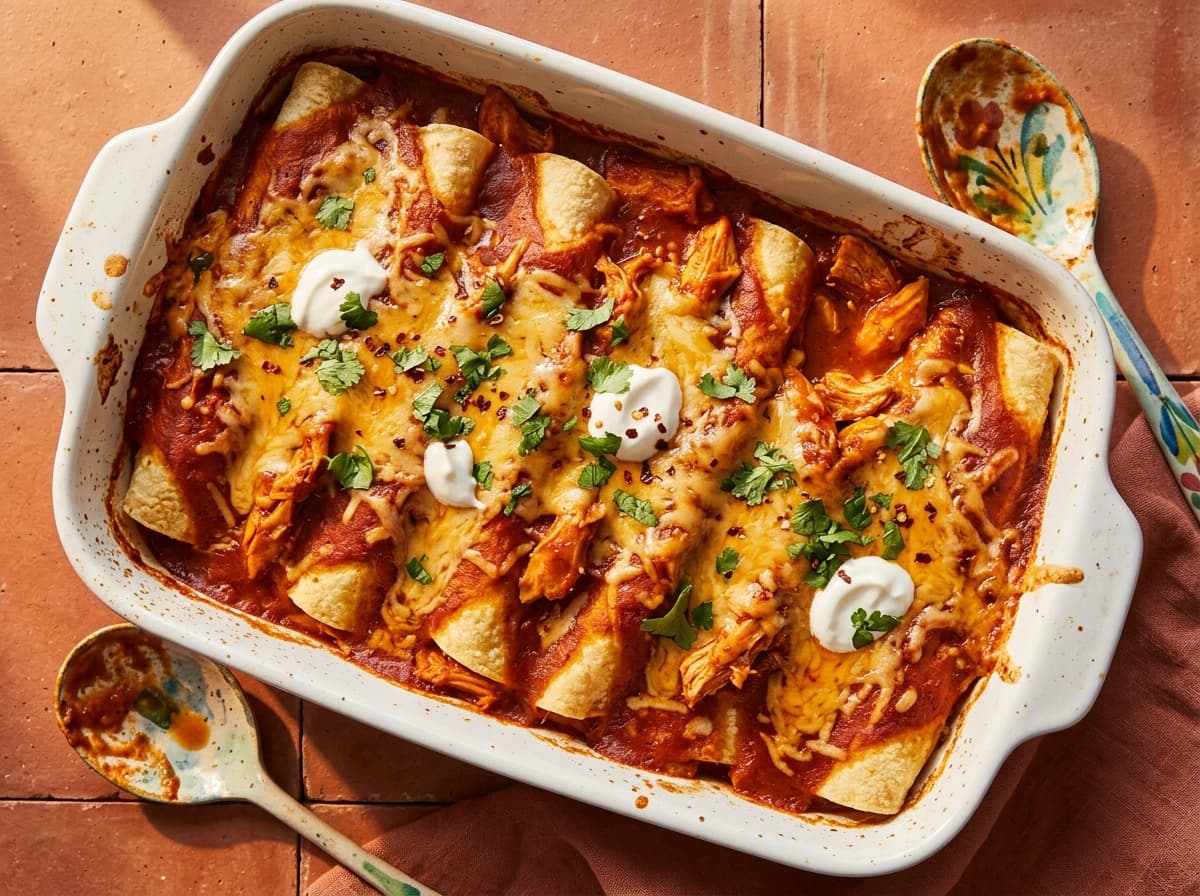
If you want one dish to cover multiple nights, choose recipes that can change form. Dal can be served with rice one night and spooned over a baked potato the next. Enchiladas can stand alone, but they also work with a quick slaw and avocado to feel newly assembled rather than simply reheated.
The Sunday prep menu: one batch dish, three flexible dinners
A strong week does not need seven recipes. It needs four dinners with different textures and effort levels. My preferred structure is one batch-cooked comfort meal for the busiest night, one bowl night, one stir-fry night, and one meal that uses up the remaining vegetables before they collapse in the crisper.
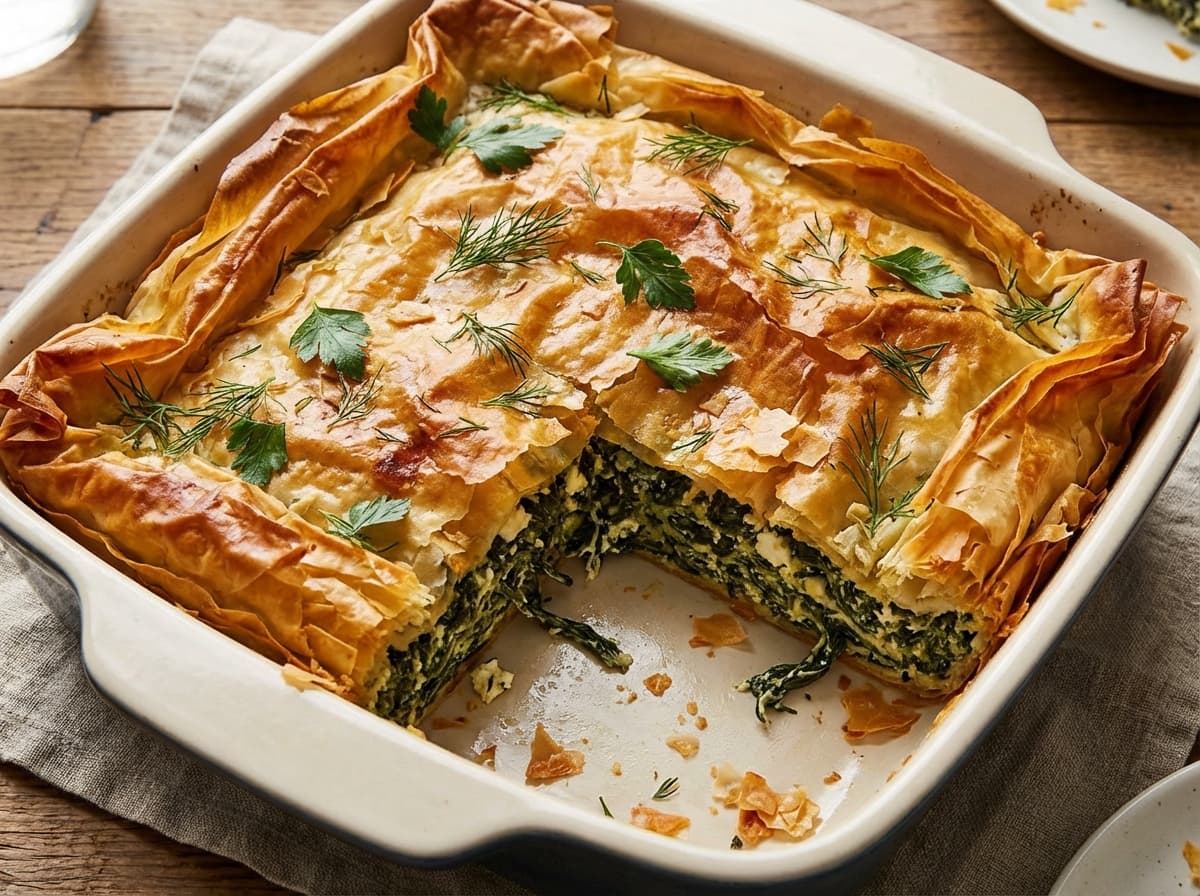
Here is a practical version. Start with a batch dish such as Spanakopita Pie, ready in 65 minutes. It is ideal because it slices cleanly, reheats well, and pairs with a sharply dressed salad that takes two minutes to throw together on the night. Alongside that, prep ingredients for a bowl-based dinner and a fast noodle or rice dish that only need last-minute cooking.
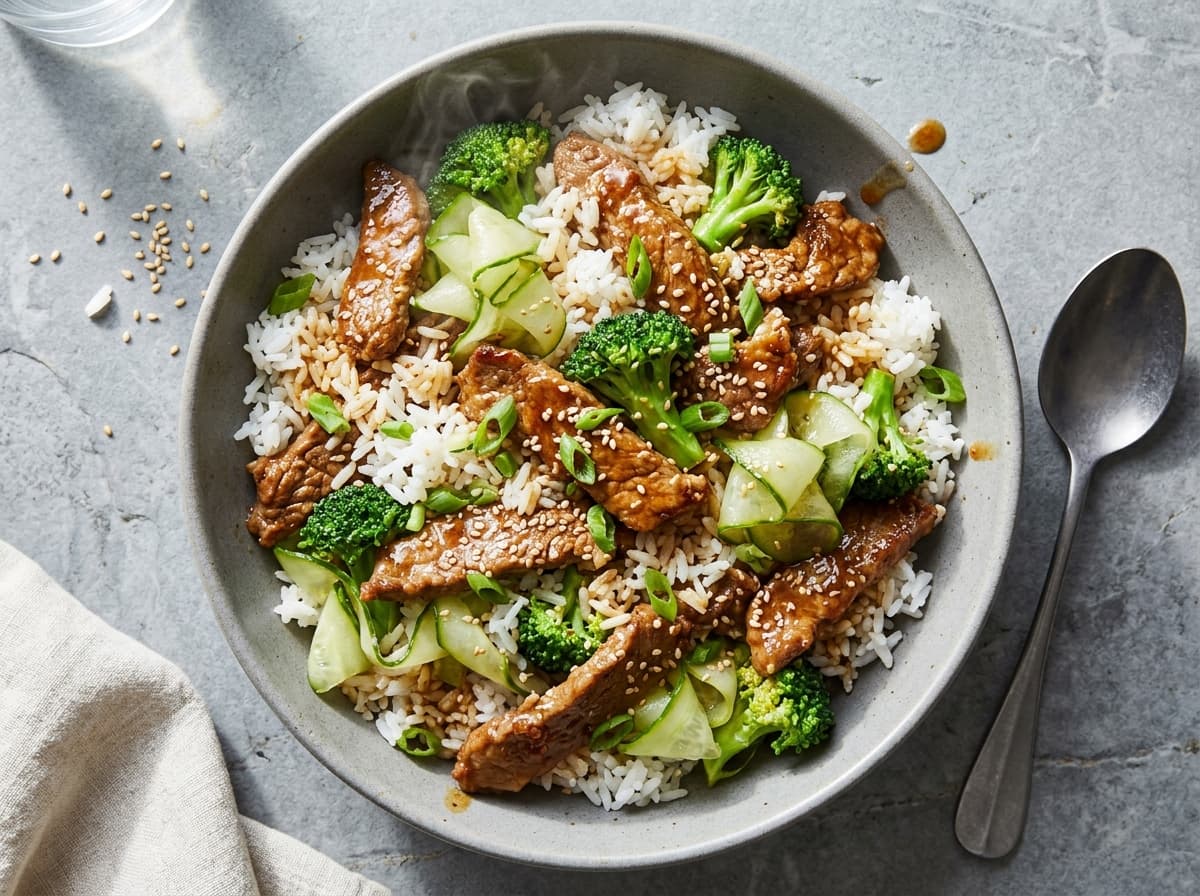
For the bowl night, Korean Beef Bulgogi Bowl is ready in 30 minutes, but the real trick is that most of the labour can happen on Sunday. Slice the beef, mix the marinade, cook the rice, and prep cucumber and carrot. On the night, you only sear the meat and build the bowls. It feels fresh because it is fresh where it matters.
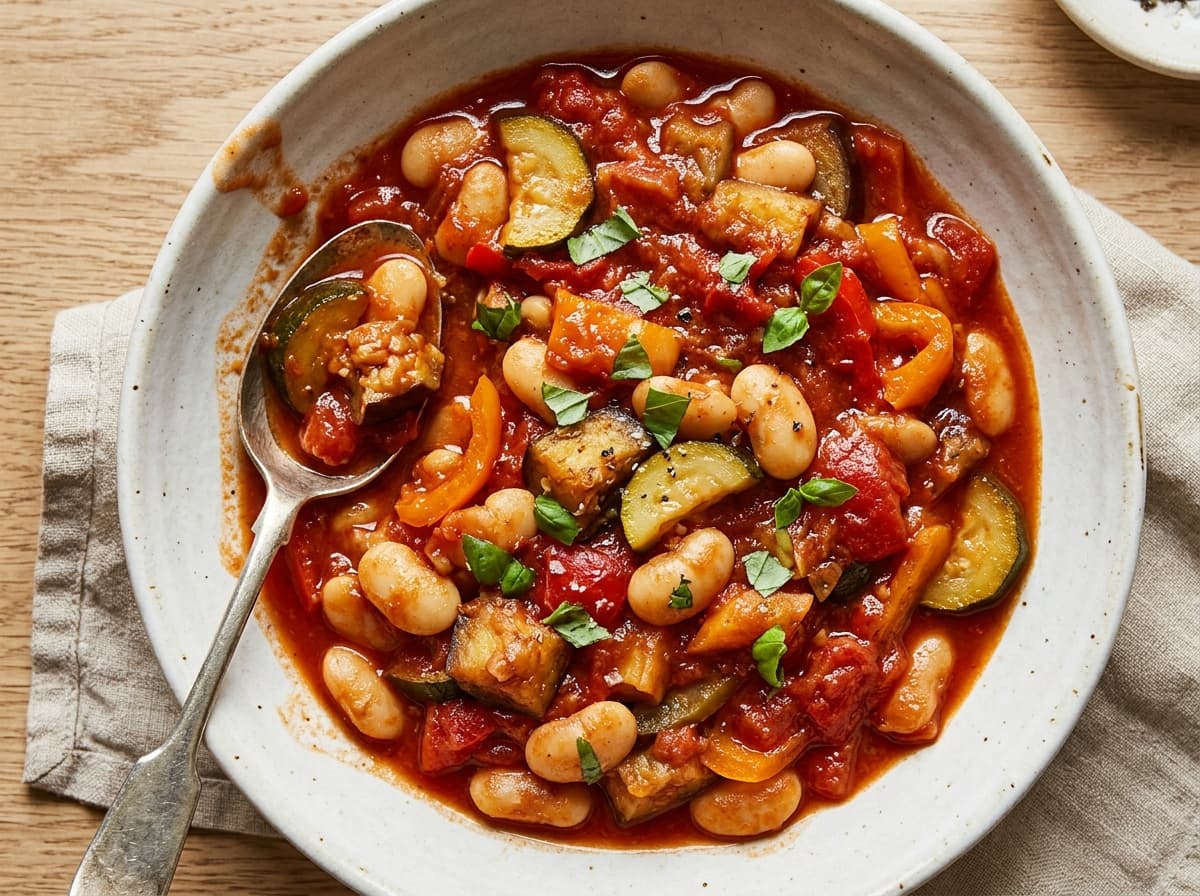
A second fast dinner should use a different flavour profile so the week does not blur into one long soy-sesame loop. Butter Bean Ratatouille, ready in 42 minutes, is excellent here because it doubles as a batch component and a full meal. Serve it with toast on Monday, fold it through pasta on Wednesday, or spoon it next to grilled chicken if someone in your house insists a meal is not a meal without meat.
Then add one proper speed dinner for the night when even reheating feels ambitious. Chorizo Red Pepper Orzo is ready in 28 minutes and works because it uses pantry logic: one pot, high flavour, no ceremonial chopping. This is exactly the kind of meal you should not prep in full, but absolutely can support with Sunday mise en place — diced onion, sliced chorizo, stock measured, cheese grated.
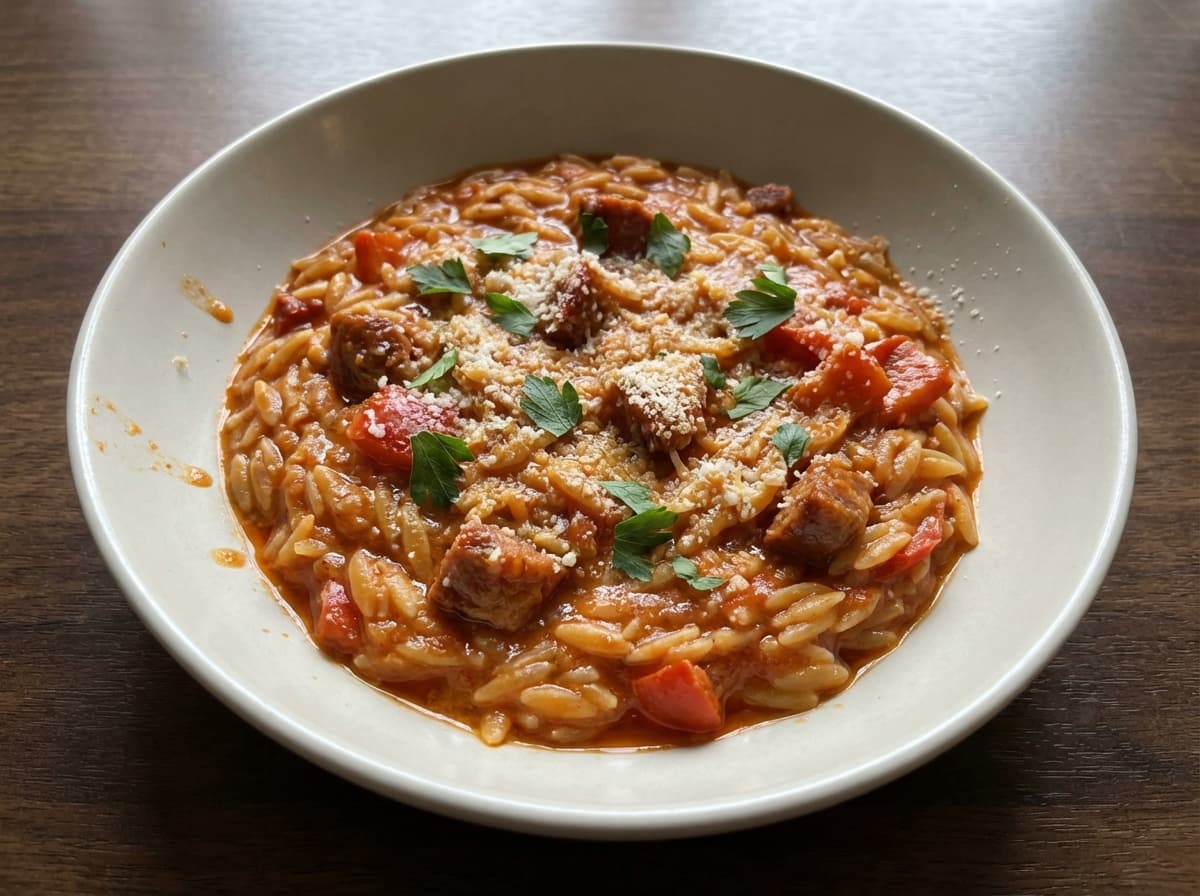
Notice what this menu does. It gives you one bake, one bowl, one vegetable-led back-up and one true quick dinner. That is enough variety to stop takeaways creeping in. It also stops the classic meal-prep trap of spending two hours on Sunday only to discover you have somehow made four versions of the same rice box.
This is where Eatpace can be genuinely useful rather than gimmicky. If your week needs 3 to 7 dinners matched to your time and skill level, you can generate a plan, then swap any meal instantly for something faster, lighter or just less annoying than what you first picked.
Containers, storage and the small decisions that save the week
Containers matter more than most recipes. If you store everything in giant tubs, you create friction every night because you have to unpack half the fridge to build one meal. If you over-portion into individual boxes, you lock yourself into meals you may not want. The right move is mixed storage: large containers for flexible components, smaller ones for sauces, and only a few single portions for true grab-and-go meals.
Use shallow containers for cooked grains and roasted vegetables. They cool faster, reheat more evenly, and do not turn the bottom layer into steam-soaked mush. Keep sauces in jars, not bowls covered with cling film, because jars stack neatly and force you to make smaller, more flavourful amounts. A bright yoghurt sauce, chilli crisp dressing or lemony tahini can make the same chicken and rice feel like three different dinners.
There is also a sequencing issue that people ignore. Put the meals for Monday and Tuesday at eye level, and the “insurance policy” batch dish lower down. If your best-prepped food is hidden behind milk and condiments, you will forget it exists and order food instead. Fridge geography is not glamorous, but it is real.
Freezing is another place where ambition needs trimming. Freeze complete dishes, not hopeful components. Cooked dal, enchiladas, meatballs, ragù and sturdy casseroles thaw well because they have moisture and structure. Cooked pasta, dressed salad and anything crisp do not. If you are freezing portions, leave a little headspace in the container and label the dish plus date. Future you is not as good at identifying orange sauces as present you thinks.
A final storage rule: never seal steaming-hot food. Let it cool until it stops visibly giving off heat, then lid it. That one habit preserves texture, stops condensation and buys you an extra day of decent leftovers. If you want a system that removes even more admin, Eatpace also builds your shopping list from the week’s recipes, which is handy when the real enemy is not cooking but decision fatigue.
How to keep meal prep from becoming a boring food factory
The biggest complaint about weekly prep is not time. It is boredom. People can tolerate a Sunday session if the payoff feels generous, but not if every dinner tastes pre-decided. The fix is to build variation into the prep itself.
Start with contrast. If your batch dish is soft and rich, your second dinner should be sharp and crunchy. If one meal is heavily spiced, the next should lean herby or lemony. A week that includes dal, a crisp bowl, a tomatoey bake and a one-pot orzo feels varied even if several components overlap underneath.
Then use what I think of as “finish-line ingredients”. These are not staples; they are weeknight rescue tools. Keep one fresh herb, one acidic element, one crunchy topping and one dairy or creamy element ready to go. Coriander, lime, toasted seeds and Greek yoghurt can transform a bowl. Basil, lemon zest, breadcrumbs and burrata can do the same for a tray of roasted vegetables and pasta.
This is also why you should leave one dinner deliberately unassigned. Not unplanned — unassigned. Prep enough components for four dinners, but only decide three exact meals. The fourth becomes your flex night, built from what still looks best. Maybe the roasted veg go into an omelette. Maybe the leftover bulgogi components become lettuce cups. Maybe the ratatouille gets topped with eggs and eaten with toast.
That flexibility is what makes meal prep sustainable. Rigid plans fail the moment real life intervenes. A successful prep session absorbs chaos. If Wednesday runs late, you reheat the batch dish. If Tuesday gives you more energy than expected, you cook the fresh bowl. If someone suddenly refuses mushrooms, you have not ruined the entire week.
The point is relief, not perfection. Two focused hours should buy you easier evenings, fewer emergency supermarket runs and far less low-level dread at 5.30 pm. That is exactly the gap Eatpace is built for: not endless inspiration, but a practical weekly dinner plan you can actually live with.
What freezes well when you meal prep for the week?
Is it better to prep ingredients or cook full meals?
What containers are best for weekly meal prep?
Can I meal prep if I do not want to eat the same dinner twice?
How long does Sunday meal prep usually last in the fridge?
In this article
Plan your week in 30 seconds
Eatpace generates a personalised dinner plan for you. Free to try.
Download the app