Why Meal Planning Apps Work Better Than Pinterest Boards
Pinning recipes feels productive. Choosing what you’ll actually cook on Tuesday is what changes dinner.
Pinterest is excellent at one thing: making your future self look wildly more organised than your actual Wednesday-night self. You pin a glossy traybake, a noodle bowl, three “easy” pastas and something involving pomegranate seeds, then order takeaway because none of those pins answered the real question: what are you cooking tonight, with the time and energy you actually have?
That is the whole problem. Inspiration is not a dinner plan. A board full of recipes is a mood board for a life with more time, more ingredients and fewer interruptions. A meal planning app works better because it forces a decision, narrows your options and turns taste into action. That’s why tools such as Eatpace feel useful rather than aspirational: they move you from “that looks nice” to “I’m making this on Thursday, and the shopping list is done”.
Pinterest gives you possibility; meal planning apps give you constraints
The reason Pinterest boards fail is not laziness. It’s architecture. Pinterest is built to keep you browsing, not choosing. Every click leads to ten more ideas, which means you never reach the only point that matters: committing to five dinners that fit one actual week.
A useful dinner plan needs constraints in four areas at once: time, appetite, skill and ingredient overlap. Pinterest handles none of them. It will happily show you a 90-minute curry next to a 25-minute pasta and a salad built around a dressing you’ll never make twice. It treats all recipes as equally available, which is nonsense if you get home at 7.15pm on Tuesdays and barely tolerate washing up by Friday.
Meal planning apps work because they reduce decision fatigue before you’re hungry. Instead of asking, “What do I fancy from these 147 saved recipes?”, they ask a much sharper question: “What fits this week?” That sounds less romantic, but it is exactly why it works. Dinner is logistics wearing the costume of creativity.
The best plans also stop you from overestimating your ambition. Most people do not need seven exciting new dinners. They need four realistic ones, one repeat, one leftovers night and one rescue option. That is a proper week. If you want practical ideas to fill those realistic slots, start with easy dinner recipes rather than aspirational project cooking.
A good example is choosing between meals by friction, not fantasy. Spicy Sausage & Kale Rigatoni is ready in 28 minutes. Miso Butter Cod & Greens is also ready in 28 minutes. Both are plausible on a weeknight because the barrier is low and the cooking window is clear. Compare that with the average Pinterest habit: saving both, cooking neither, then standing in front of the fridge wondering whether eggs count as dinner.
That gap matters because unassigned recipes create false progress. You feel prepared because you’ve collected options. In reality, you’ve outsourced the hard part — choosing — to your most tired moment of the day.
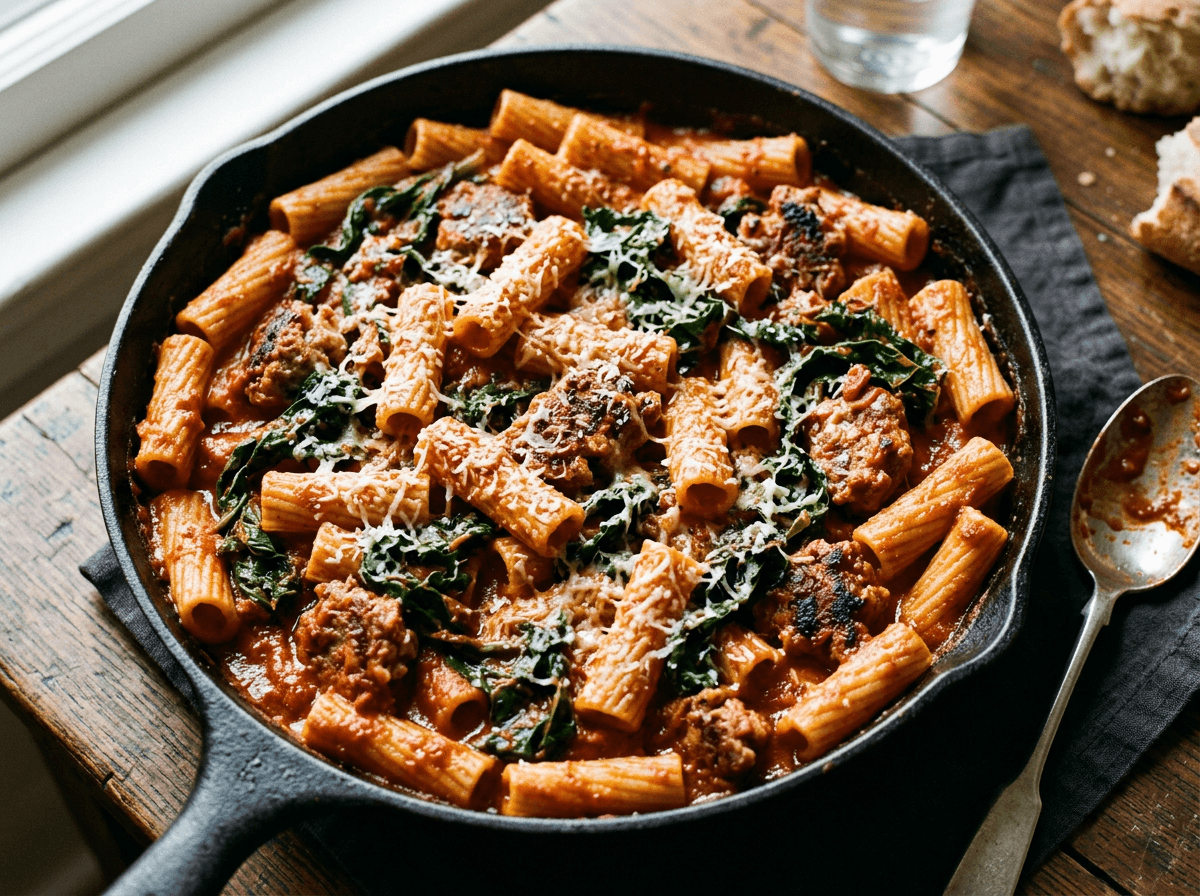
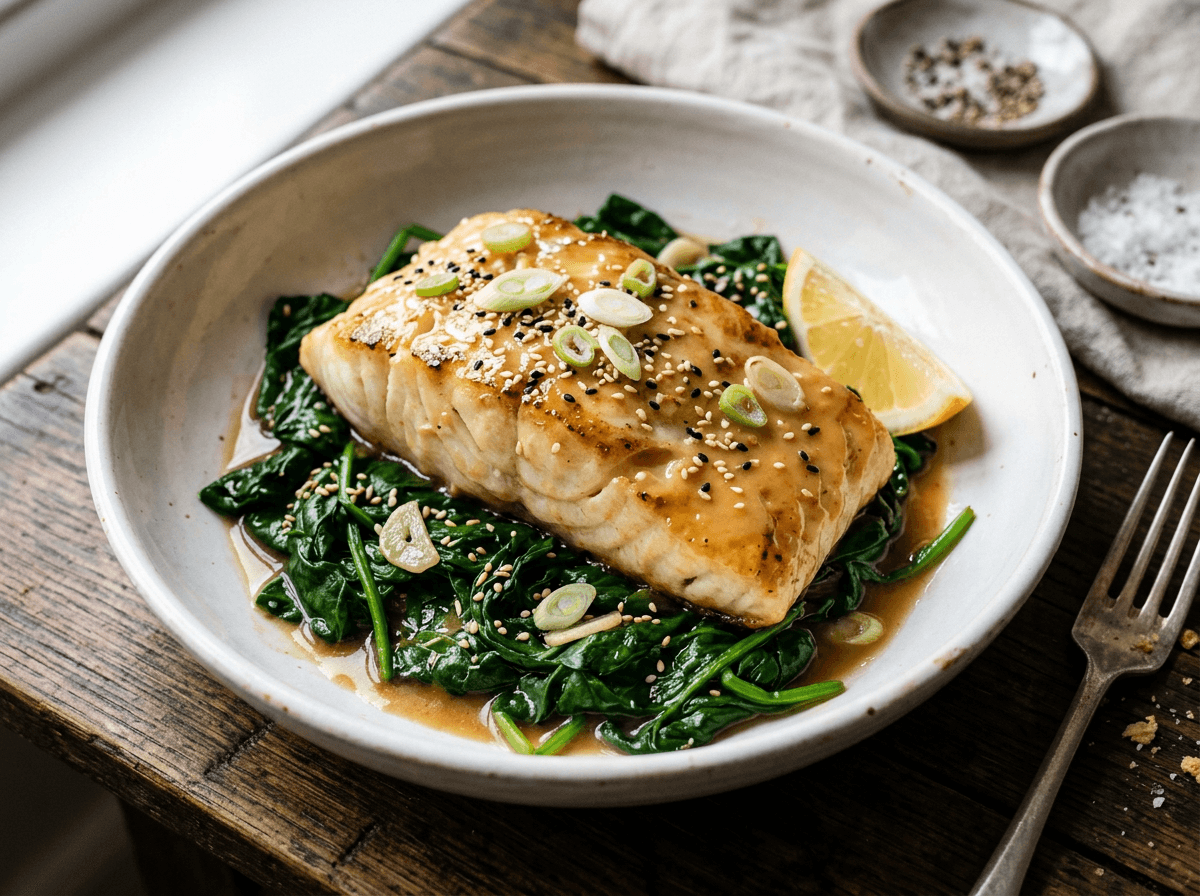
These are exactly the sort of dinners that prove the point. They are specific, weeknight-plausible and fast enough to survive a bad day, which is far more useful than another board called “Meals to Try Soon”.
The real issue is not inspiration overload — it’s decision timing
Most people make dinner decisions at the worst possible moment: after work, slightly hungry, mildly resentful and with no desire to perform culinary self-improvement. Pinterest makes this worse because it stores decisions in a vague future tense. You save recipes when you are relaxed and optimistic, then try to execute them when you are tired and rushed. Those are two completely different versions of you.
Meal planning apps close that gap by moving the decision earlier. That sounds obvious, but the deeper advantage is that they let you decide with a full picture of the week. You can match a 42-minute recipe to a calmer Thursday and reserve a 28-minute one-pot dinner for Monday, when your patience is thin and the kitchen already looks hostile.
This is where people go wrong with manual planning as well. They choose meals based on what sounds good in the abstract, not on what each day can realistically carry. Tuesday might be a proper cooking night. Friday might only support something you can make while half-listening to a voice note and clearing lunchboxes off the counter.
The smartest rule I know is brutally simple: assign meals by energy level, not by craving. Put your easiest, lowest-washing-up dinner on the day you reliably feel wrecked. Save your more involved cooking for the evening when you usually have 45 minutes and a functioning attention span. That one shift prevents more abandoned plans than any beautifully designed spreadsheet.
The 3-recipe rule works because it limits the cognitive cost of your week. If every night is a first-time recipe, you’re not meal planning — you’re running a test kitchen. One new stir-fry, one reliable pasta, one tray or bowl meal, then repeats. That is sustainable.
Take Thai Basil Beef Stir-Fry, ready in 26 minutes, and Chorizo Red Pepper Orzo, ready in 28 minutes. They are not “boring fallback meals”; they are strategic anchors. Once two nights are handled by recipes that are fast and forgiving, you have room for one more ambitious dinner without derailing the week.
If you like browsing for ideas, keep doing it. Just don’t confuse browsing with planning. Planning means assigning, sequencing and reducing. That’s the difference between a recipe collection and a system.
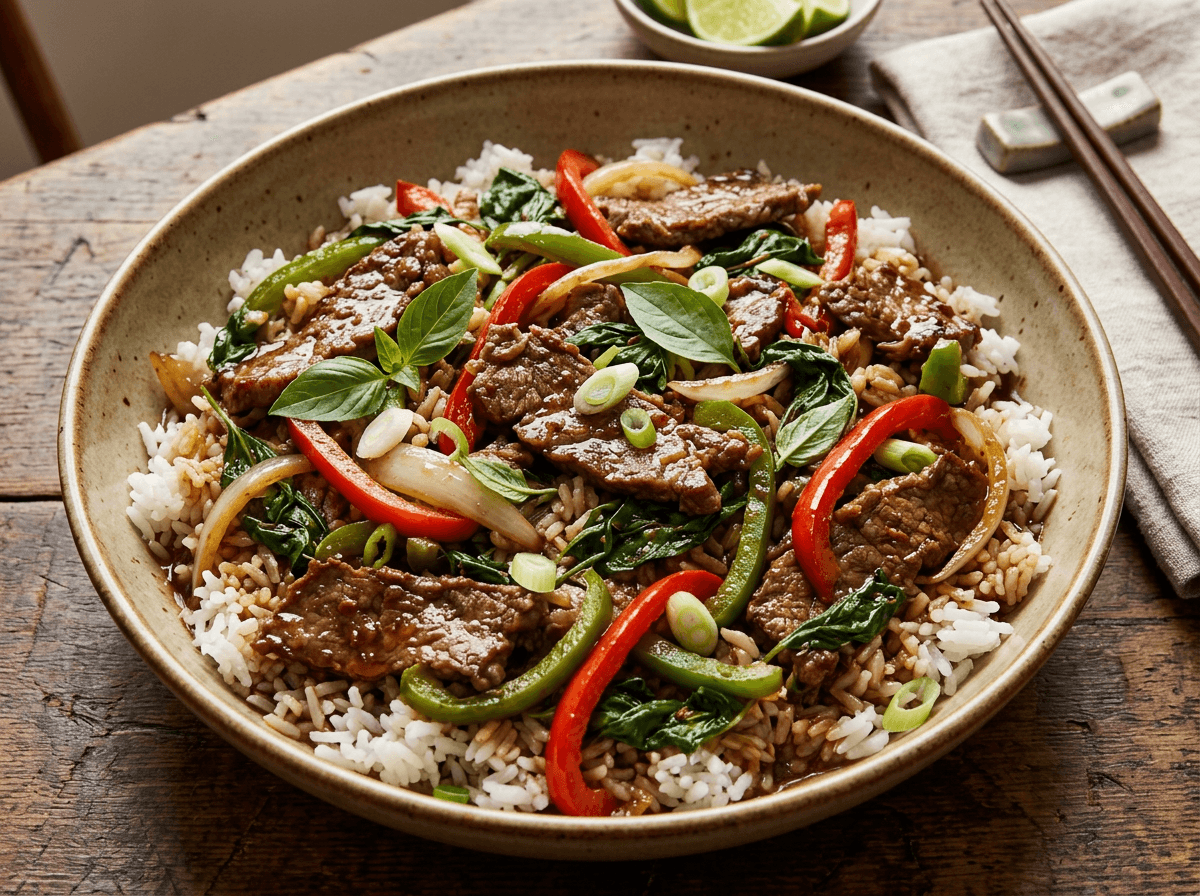
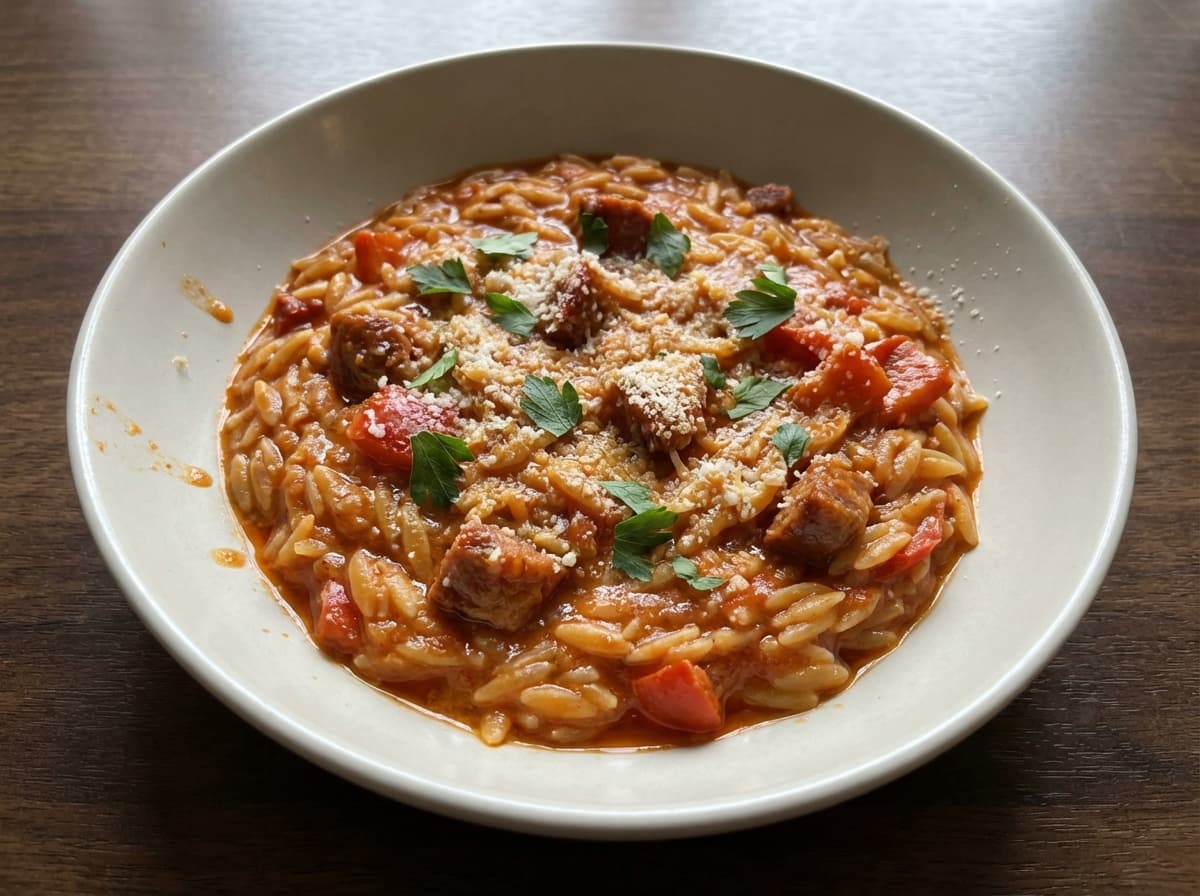
These recipes fit active planning because they solve a specific problem: they rescue low-energy evenings without feeling like compromise food. For more of that category, browse quick dinner recipes and one-pot recipes.
Pinterest boards ignore the boring maths that make dinner actually happen
Here is the unglamorous truth: the best dinner plans are built on overlap. Shared herbs, repeat sauces, one pack of spring onions used three ways, a tub of yoghurt stretched across two meals. Pinterest is terrible at this because it presents recipes as standalone fantasies. Real life cooking is cumulative.
A meal planning app is better because it can build a week that behaves like a week, not like seven unrelated food photos. That means fewer orphan ingredients, less waste and less of that annoying Saturday-fridge situation where you own half a bunch of coriander, one lonely lime and a very expensive intention.
You should think in clusters, not individual meals. One weeknight cluster might be rice, spring onions, garlic, soy, greens and one flexible protein. Another might be pasta, parmesan, cream, spinach and a sausage or bean option. Once you start planning this way, dinner becomes materially easier because each meal sets up the next one instead of sabotaging it.
For example, if your week includes Chicken Pad Thai ready in 30 minutes and Vietnamese Spring Roll Bowl ready in 27 minutes, you are not just choosing two dinners. You are creating a sensible shopping pattern around herbs, crunchy veg and pantry sauces. That is what Pinterest misses entirely: the second-order usefulness of a meal.
This is also why people often think they are “bad at meal planning” when they are really just planning with the wrong unit. The unit is not recipe. The unit is week. A good week has rhythm: one comfort meal, one fast meal, one lighter meal, one repeat, one leftovers night. Browse healthy recipes or meal prep recipes with that rhythm in mind and suddenly your choices become much sharper.
Apps that generate a shopping list from your selected dinners remove another hidden barrier: transcription. Copying ingredients from four browser tabs into notes looks minor, but it is exactly the sort of admin that makes people give up. Eatpace gets this right because once your dinners are chosen, the shopping list is built from the week rather than from isolated recipe tabs. That is not flashy. It is just effective.
The practical point is this: active planning respects ingredient economics. Passive saving does not. One gets dinner made. The other gets screenshots.
Meal planning apps are better because they let you adapt without starting again
The strongest argument for meal planning apps is not that they help you choose. It’s that they help you recover when the week changes. Pinterest boards are static. Real life is not. Your child gets invited to a birthday tea, your meeting runs late, you forget to defrost something, or Wednesday suddenly becomes a cereal night. A useful system bends without collapsing.
This is where active planning beats paper planners, spreadsheets and saved boards in one go. If your plan depends on you manually rebuilding it every time life interferes, it is too fragile. You need a system that assumes disruption and makes replacement easy.
The practical version looks like this: every week should include one “swap-safe” dinner, one freezer or leftovers night and one meal that can slide by 24 hours without consequence. A rigid plan fails because it treats every dinner as equally fixed. A smart plan has pressure valves.
That’s why app-based planning works so well for ordinary households. If Monday’s dinner no longer fits, you should be able to replace it with something similar, faster or lighter in seconds rather than reopening twenty saved links and beginning from scratch. Eatpace leans into that by letting you swap meals instantly, which is exactly the sort of feature that sounds small until you have a chaotic week and realise it is the difference between cooking and giving up.
A recipe such as Butter Bean Ratatouille, ready in 42 minutes, can shift later in the week because it is forgiving and batch-friendly. Korean Beef Bulgogi Bowl, ready in 30 minutes, is the opposite: ideal when you need speed and enough substance to stop everyone raiding the biscuit tin at 9pm. Those are different jobs, and a good plan knows the difference.
That framework is far more realistic than pretending every evening deserves equal culinary effort. If you cook this way, you stop treating deviations as failure. They are built in.
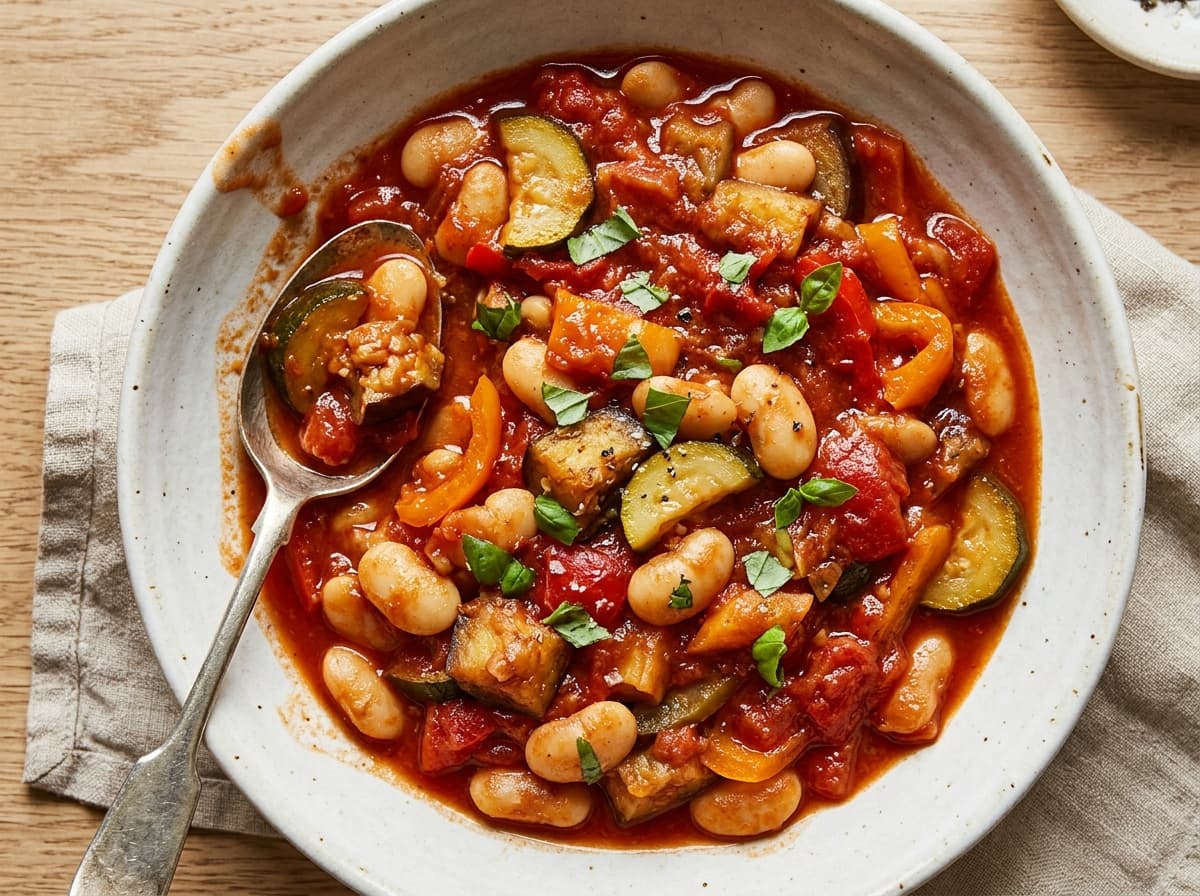
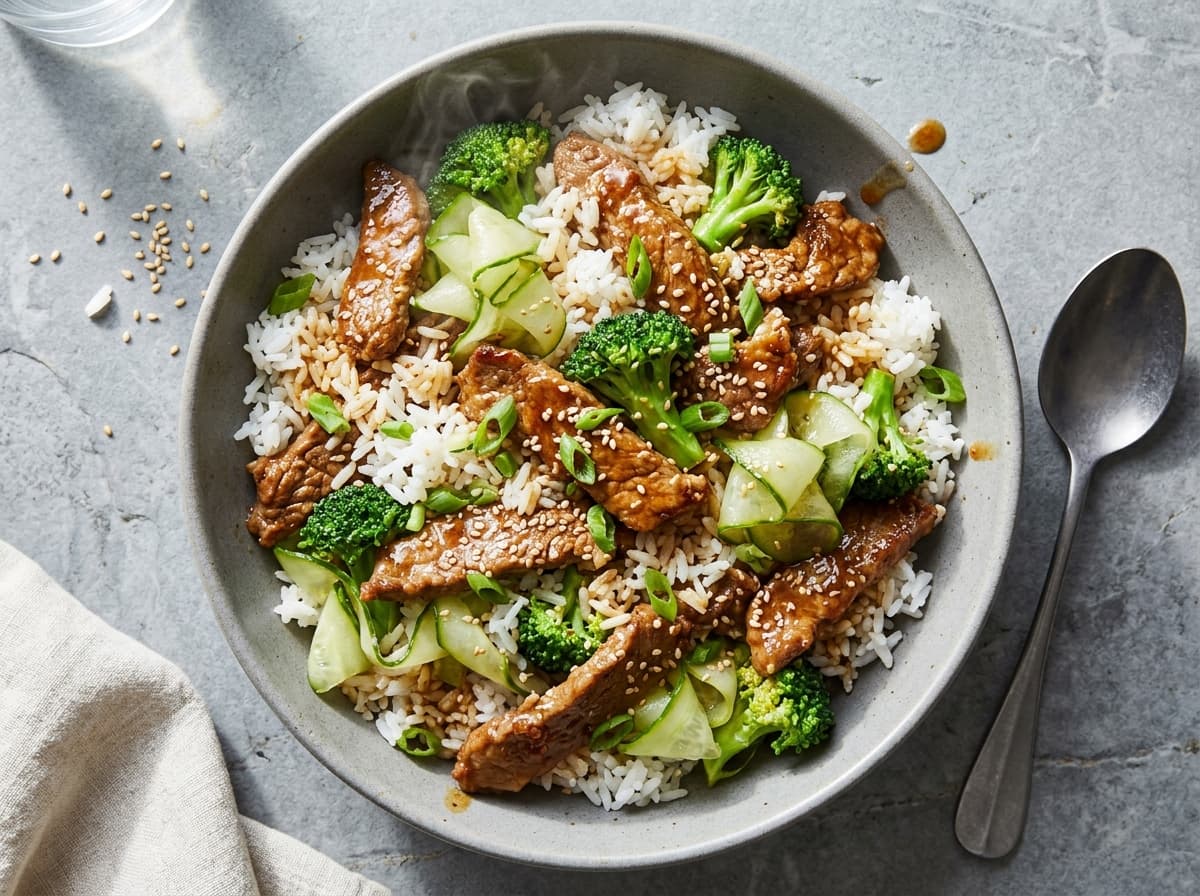
These recipes suit a flexible week for opposite reasons: one is a calm, forgiving batch-style dinner, the other is a quick solution when time has disappeared. That contrast is exactly what a functioning plan needs.
What to use instead of a Pinterest board if you actually want to cook more
If you love Pinterest, keep it for what it is good at: spotting flavours, cuisines and dishes you’re in the mood for. It is a discovery tool, not an operating system. The mistake is asking it to do the job of a planner.
A better approach is to separate inspiration from execution. Save freely if you want, but once a week move only a tiny shortlist into a real plan. Three new recipes maximum, one repeat you trust, one backup dinner with low washing up. That is enough variety to keep things interesting and enough structure to keep your week intact.
You also need to judge recipes by “Tuesday value”, not just by beauty. Tuesday value means the dish survives your actual life: limited time, mild hunger, cluttered kitchen, variable energy. A recipe can be delicious and still have terrible Tuesday value. That is why so many saved ideas never leave the board.
If you want help making that shortlist, use a planner that calibrates to your tastes and then turns them into a week rather than a wishlist. Eatpace’s quick swipe-based preference setup is useful precisely because it narrows the field fast, then the app generates 3 to 7 dinners matched to your diet, skill level and available time. That is active planning. It removes the fantasy stage and gets straight to the part where dinner becomes manageable.
The goal is not to become the sort of person who cooks a different viral recipe every night. The goal is relief. Relief from deciding, from overbuying, from wasting ingredients, from the 6pm loop of “what shall we have?” followed by “I can’t be bothered”. Once you understand that, Pinterest boards stop looking like preparation and start looking like entertainment.
That is not an insult. Entertainment has its place. But if you want to cook more often, with less stress, you need fewer saved recipes and more assigned ones. Keep the inspiration. Replace the system.
Are meal planning apps better than spreadsheets?
Is digital meal planning actually better than paper?
Why do I save loads of recipes and still end up ordering takeaway?
Can a meal planning app work if everyone in my house likes different things?
Should I delete my Pinterest boards if I want to meal plan properly?
In this article
Plan your week in 30 seconds
Eatpace generates a personalised dinner plan for you. Free to try.
Download the app