How to Reduce Food Waste with a Simple Weekly Dinner Plan
A practical system for using what you buy, rescuing leftovers and stopping the slow death of spinach at the back of the fridge.
Most food waste starts with good intentions. You buy coriander for one curry, a bag of spinach because it feels virtuous, and a punnet of mushrooms because you might make something with them. By Friday, the coriander is black, the spinach is slick, and the mushrooms are one bad look away from the bin.
A weekly dinner plan fixes this, but only if it is built around waste reduction rather than aspiration. That means choosing meals in the right order, repeating ingredients on purpose, and giving leftovers a job before the week begins. If you want help automating that process, Eatpace can build a personalised week and shopping list around the sort of dinners you’ll actually cook, which is far more useful than collecting recipes you never make.
60%
of UK food waste comes from households (WRAP)
6.4 million tonnes
of edible food is wasted in UK homes each year (WRAP)
Start with the food you already have, not the recipes you fancy
If you want a low-waste week, your first draft of dinner should happen with the fridge door open. Not your notes app. Not Instagram. The point is to spot the ingredients with the shortest remaining life and make them the backbone of your first two dinners.
The best way to do this is to sort ingredients into three buckets. Bucket one: use in 48 hours. Think open yoghurt, half a pack of spinach, soft peppers, herbs, cooked rice, leftover roast chicken. Bucket two: use this week. That covers broccoli, carrots, halloumi, mince, tortillas, cream, spring onions. Bucket three: can wait or freeze. That is your frozen peas, dried lentils, unopened passata, and meat you have not yet defrosted.
This sounds simple, but the order matters. Most people meal plan backwards: they choose four exciting dinners, shop for them, then try to wedge in the old courgettes already in the drawer. That is exactly how food gets wasted. Your oldest ingredients should decide Monday and Tuesday before anything else is planned.
A practical example: if you have spinach, potatoes and cauliflower drifting towards the edge, build in Aloo Gobi Curry, ready in 42 minutes, or Palak Dal Curry, also ready in 42 minutes, early in the week. If you have mushrooms and a half-used packet of cream, a one-pan pasta or orzo later in the week can absorb both without feeling like a leftovers dinner.
The other trick is visibility. Create one shelf in your fridge that is brutally obvious: the “use it first” shelf. Anything fragile or already opened goes there, at eye level, never hidden in a drawer.
This is also where a weekly dinner plan beats vague good intentions. Once you assign those high-risk ingredients to specific nights, they stop being background clutter and start being dinner. Browse batch cooking recipes when you need meals that can absorb flexible quantities of vegetables, beans or cooked grains without falling apart.
Build your week around ingredient overlap, not seven completely different meals
The biggest meal-planning mistake is treating every dinner like a standalone event. That is how you end up buying a full bunch of dill for one dish, a whole cabbage for another, and a single-use sauce ingredient that sits in the cupboard for 18 months. A waste-reducing dinner plan should have deliberate overlap built in from the start.
Pick three anchor ingredients and make them work twice. One protein, one vegetable family, one carb. For example: chicken thighs, spinach, and rice. That can become a tray of Chicken Enchiladas, ready in 60 minutes, one night; a rice bowl another night; and a quick soup or fried rice with leftovers later in the week. Or choose aubergine, tomatoes and onions and suddenly you have a base for ratatouille, pasta sauce and a side for grilled meat.
This is where structure matters more than creativity. A good low-waste week usually has four dinner types:
That fourth category is the one people skip, and it is why takeaway ends up replacing the food you already bought. If Thursday goes wrong, your plan needs a fallback that does not punish you.
Butter Bean Ratatouille, ready in 42 minutes, is excellent here because it uses the vegetables that often go limp first: courgettes, peppers, aubergine, tomatoes. It also tastes better the next day, which is exactly what you want from a low-waste meal. Dal Tadka, ready in 42 minutes, does the same job from the cupboard end of things: lentils, onions, garlic, and any stray greens can all find a place.
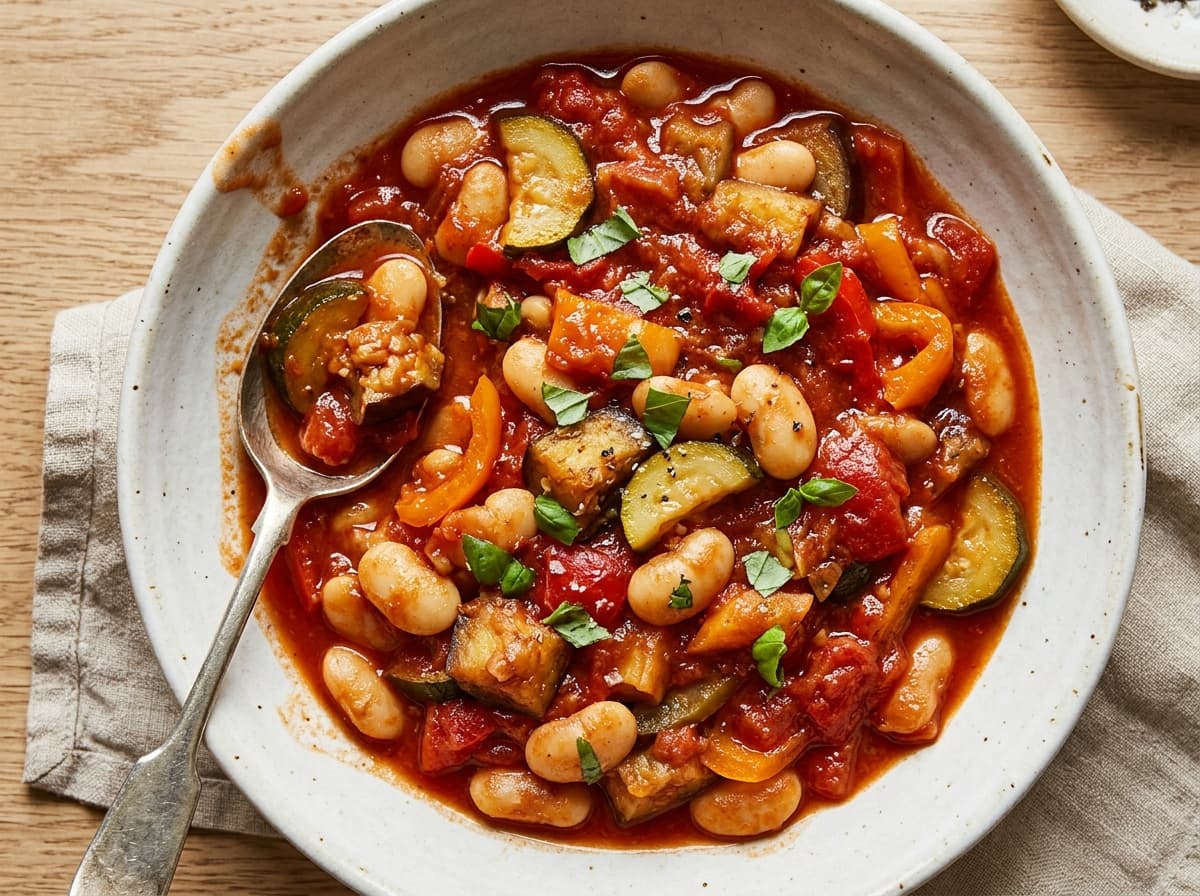
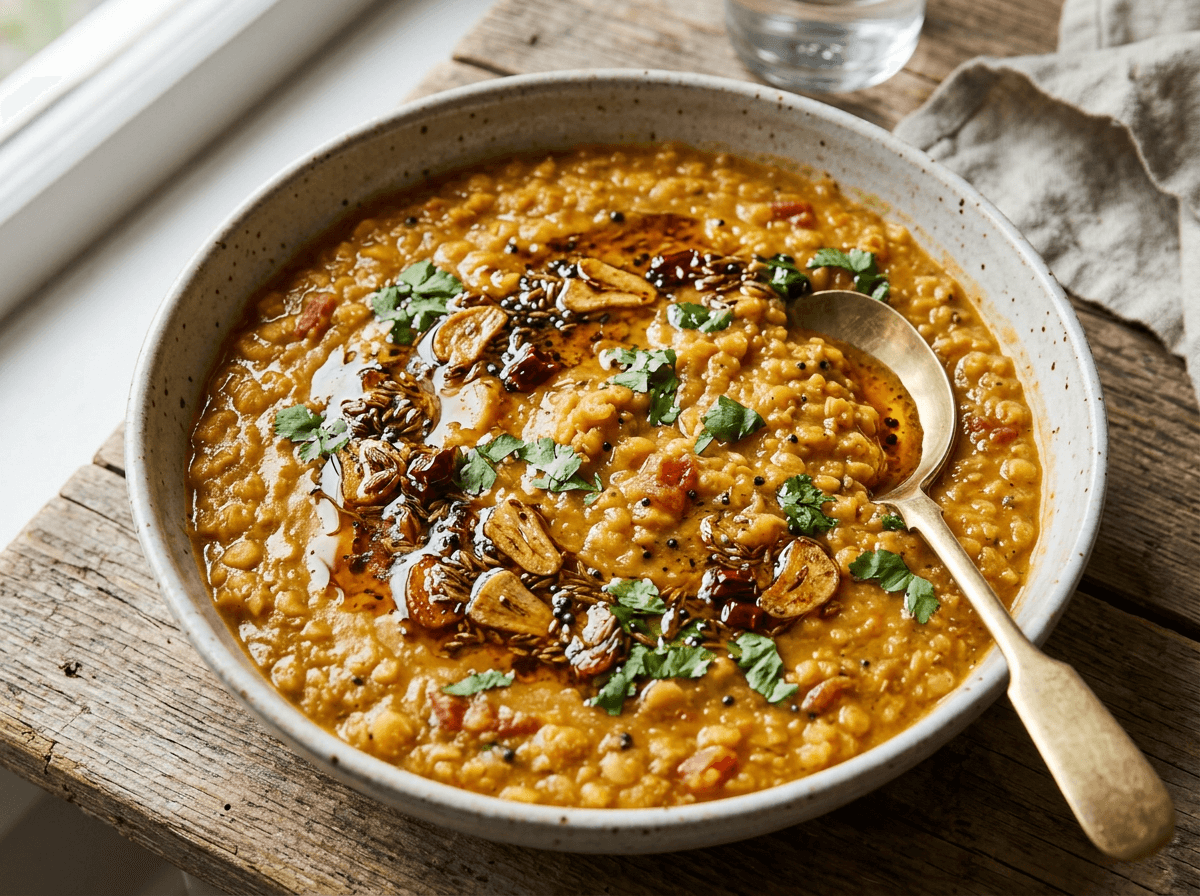
These recipes fit the brief because they are forgiving. You do not need pristine produce, and both hold well for lunch or the freezer, which means less pressure to eat everything immediately.
If you want more dinners that can stretch ingredients across several meals, the freezer-friendly recipes and batch-cooking recipes categories are the most useful places to start. They are far better for real life than fussy recipes built around one expensive fresh ingredient.
Use leftovers as components, not as sad repeat meals
People say they are bad at eating leftovers, but usually they are bad at reheating the same thing in the same format. No one wants Wednesday’s casserole served unchanged on Thursday with a shrinking side salad. The answer is not to force yourself through it. The answer is to cook leftovers with a second identity already in mind.
Think in components. Roast chicken is not one meal; it is protein for wraps, noodles, rice bowls or soup. Cooked rice is not just a side; it is tomorrow’s stir-fry base. Half a tray of roasted vegetables can become a frittata filling, a pasta toss-in, or a warm grain bowl. Once you stop treating leftovers as complete meals, they become much easier to use.
A good system is “same base, new finish”. If you make Pork & Fennel Meatballs, ready in 42 minutes, serve them with pasta on night one. The next day, slice them into a tomatoey sub or tuck them into a tray bake with beans. If you make Chicken Enchiladas, ready in 60 minutes, freeze two portions before serving so they never become that dubious foil-covered dish you keep meaning to eat.
The same logic applies to sauces. Extra curry works brilliantly as a baked potato topping. Ragù can become toast with melted mozzarella, not just another bowl of pasta. A spoonful of lentils and greens can be folded into eggs for a quick supper. This is how low-waste cooks actually operate: they repurpose structure, not just ingredients.
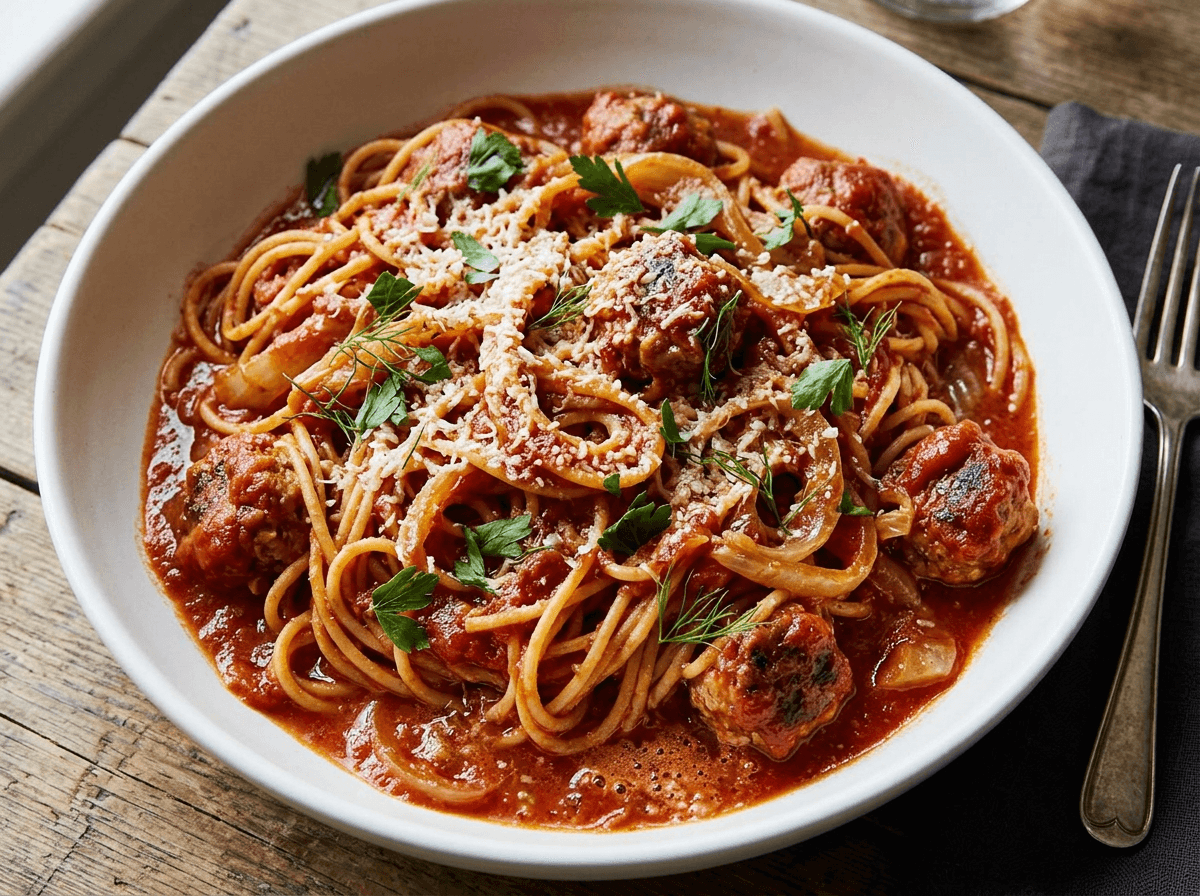
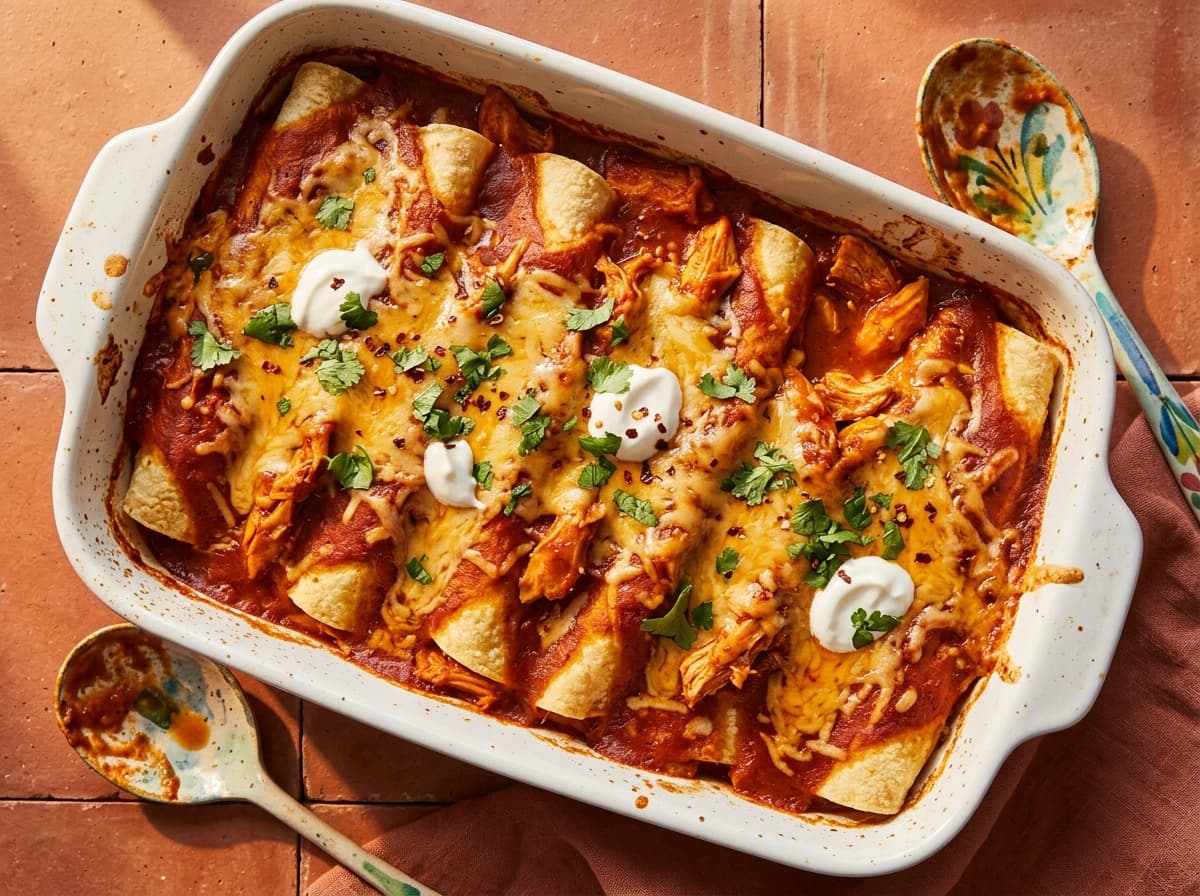
These two are especially useful because they are built for second lives. They reheat well, freeze well, and can be portioned before the first dinner hits the table.
If your week changes constantly, this is where Eatpace is genuinely helpful rather than gimmicky. You can swap a planned dinner instantly for something faster, lighter or completely different, which is exactly what prevents the domino effect of skipped meals and wasted ingredients.
Shop for a low-waste week by buying in formats that match how you actually cook
Food waste is often a packaging problem disguised as a planning problem. You are not failing because you forgot about the parsley. You are failing because the supermarket only sold parsley in a bunch three times larger than you needed, and your plan gave the rest nowhere to go.
So shop by format, not just by ingredient. If you never use a whole white cabbage, do not buy one because it is cheaper by weight. Buy a smaller loose vegetable or choose a recipe that uses half now and half later in a slaw, stir-fry or soup. If you always waste herbs, stop buying mixed soft herbs unless two dinners need them within three days. Chopped frozen herbs are often the more sensible choice for weeknight cooking.
The same goes for protein. A larger pack is only economical if you portion and assign it immediately. Buy a family pack of chicken thighs and decide on the spot: half for tonight, half for the freezer in a labelled bag. If you leave that decision until Thursday, you will probably lose the game.
A zero-waste dinner plan also needs one or two “buffer meals” made mostly from staples. These are the dishes you cook when fresh ingredients are running low but you still need something proper. Beef Moussaka Casserole, ready in 80 minutes, and Lamb Navarin, ready in 80 minutes, are useful examples of meals worth freezing in portions because they rescue future chaotic evenings. At the other end, a lentil curry or tomato-based pasta can absorb the odds and ends left from earlier in the week.
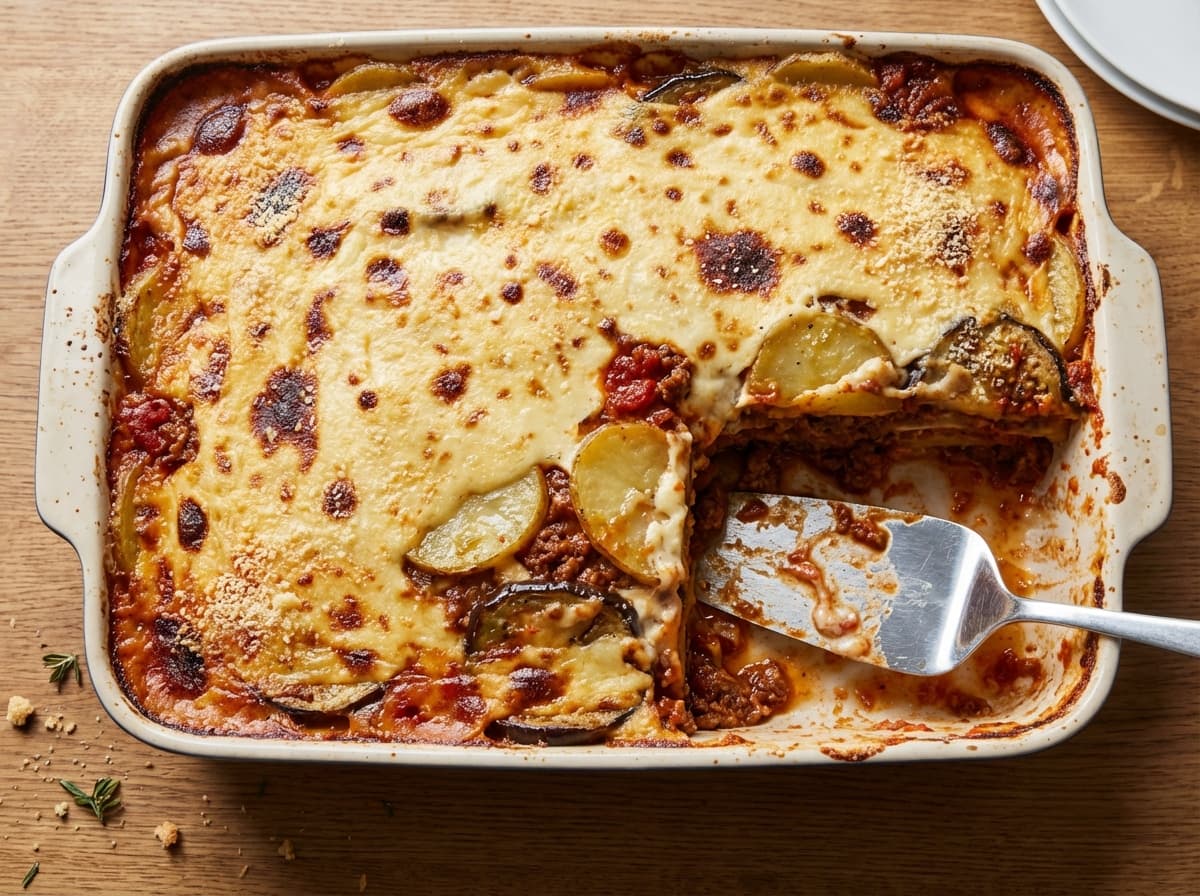
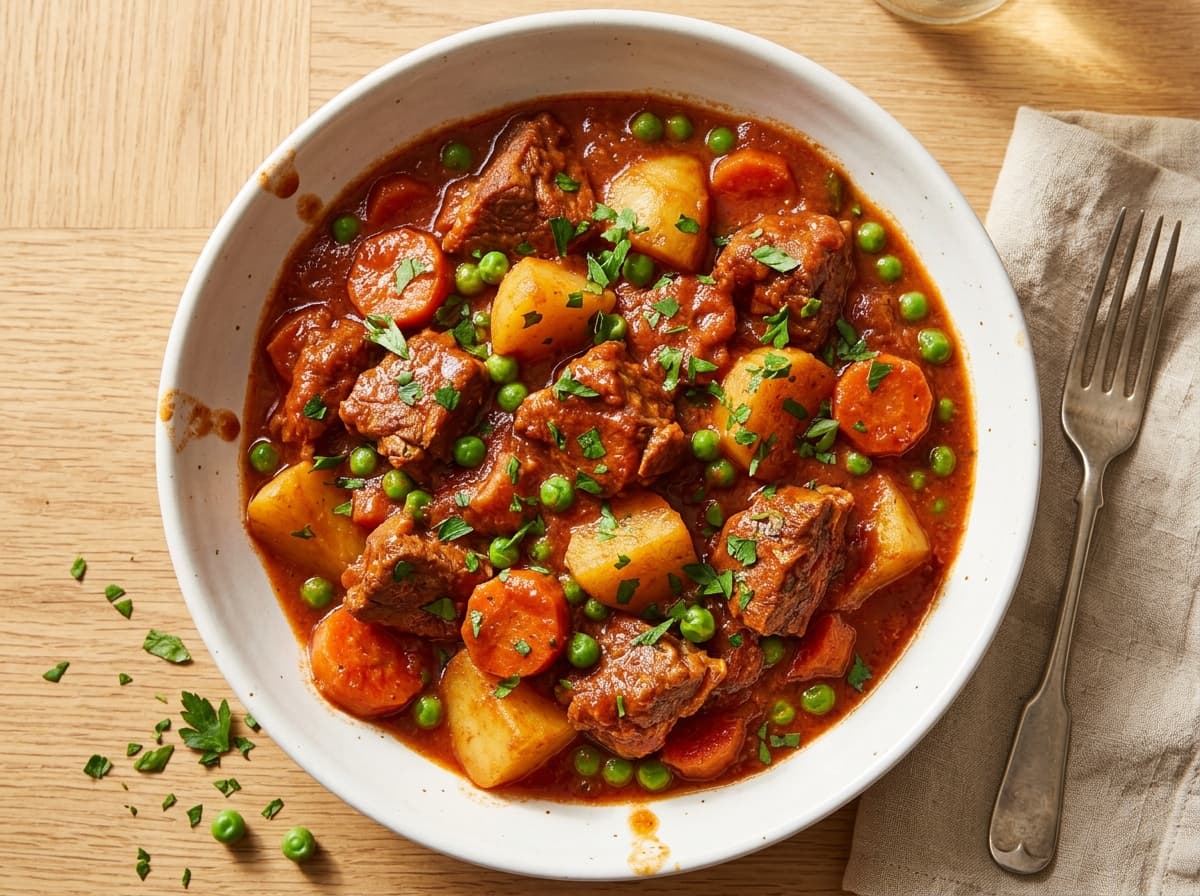
These work for waste reduction because they are classic insurance meals. Cook once, portion well, and your freezer becomes a tool rather than a graveyard.
There is also a shopping-list rule worth stealing from professional kitchens: never buy a new version of something you already own until the old one has a job. Half a jar of olives? They go into Thursday’s pasta. Open yoghurt? It becomes a sauce for a grain bowl or marinade for chicken. One lonely carrot and two spring onions? That is the beginning of fried rice, not rubbish.
For genuinely busy weeks, a personalised planner such as Eatpace can take this from theory to habit. After a quick taste calibration, it builds a week of dinners and an automatic shopping list, which is useful because the list reflects actual meals rather than fantasy cooking.
Set up a zero-waste rhythm: cook, hold, freeze, rescue
The most effective weekly dinner plan is not a list of recipes. It is a rhythm. Specifically: cook one meal to eat now, hold one portion for lunch, freeze one portion for later, and rescue one ingredient in the next dinner. Once that cycle becomes automatic, food waste drops fast.
Here is what that looks like in practice. Monday: cook a vegetable-heavy dinner that uses the most fragile produce. Tuesday: make a batch dish and hold back one portion before anyone serves themselves. Wednesday: cook a quick dinner that uses any open herbs, half-used sauces or cooked grains. Thursday: if life is chaotic, use a freezer portion instead of ordering takeaway. Friday: turn remaining bits into a low-pressure meal such as loaded baked potatoes, noodles, omelette or fried rice.
That order is not random. It mirrors how ingredients decline. Salad leaves and herbs deteriorate first. Cooked leftovers are safest and nicest within a couple of days. Frozen food gives you flexibility late in the week when plans wobble. Most people do the opposite and wonder why Friday’s fridge feels accusatory.
A simple audit helps. At the end of each week, note three things: what you threw away, what you nearly threw away, and what saved the week. You will spot patterns quickly. Maybe bagged spinach is always wasted but frozen spinach is reliably used. Maybe you never finish a whole cucumber but always use shredded cabbage. Maybe one freezer meal prevents £25 of takeaway and a fridge full of abandoned ingredients.
This is the unglamorous truth about reducing food waste: success comes from repetition, not discipline. You need fewer ingredients with more jobs, a visible “use it first” shelf, and at least one frozen dinner standing by. That is a system, not a mood.
And if you want the planning part done for you, use the feature that matters most: an automatic weekly dinner plan with an auto-generated shopping list and easy meal swaps. That is where Eatpace earns its keep — less time deciding, fewer duplicate ingredients, and far less food quietly dying in the fridge.
How do I use leftovers without eating the same dinner twice?
What meals freeze best if I want to reduce food waste?
How can I make a shopping list that actually reduces waste?
Is it better to batch cook or cook fresh every night for less waste?
In this article
Plan your week in 30 seconds
Eatpace generates a personalised dinner plan for you. Free to try.
Download the app