High-Protein Dinners That Actually Taste Good
Flavour-first ways to eat more protein without resigning yourself to dry chicken, sad rice and bodybuilder food
If you’ve been told that high-protein dinners have to be plain, repetitive or suspiciously joyless, ignore it. The best protein-rich meals don’t taste “healthy” at all. They taste like proper dinner: glossy noodles, spiced curries, charred meat, punchy sauces and the sort of leftovers you actually want the next day.
That’s the real trick. A good high-protein dinner is not one where protein is merely present; it’s one where protein is the reason the dish works. Salmon carries miso and butter beautifully. Paneer holds onto spice better than most vegetables ever will. Beef stands up to basil, chilli and fish sauce in a way tofu simply can’t fake. Once you start thinking in that direction, dinner gets easier.
If you want less nightly decision-making, Eatpace is useful precisely because it focuses on relief rather than motivation. You do a quick taste calibration, tap to create your week, and it builds dinners around what you’ll genuinely eat — which is far more helpful than another lecture about meal prep discipline.
The best high-protein dinners start with texture, not macros
Most disappointing high-protein dinners fail for the same reason: they treat protein like a nutritional target instead of an ingredient. You end up with lean meat cooked until it squeaks, vegetables added out of duty, and a sauce so thin it may as well be hot water. If you want dinners that actually taste good, start with texture. Protein is satisfying partly because it gives chew, richness and contrast. That matters far more than whether your plate looks virtuous.
Take fish. People often overcomplicate it by trying to make it “light”, when what it really needs is contrast. A fillet of cod with greens is fine; cod with miso butter is dinner. Miso Butter Cod & Greens is ready in 28 minutes, and that timing matters because quick fish should be cooked while it still feels like a weeknight option, not a project. The savoury sweetness of miso does the heavy lifting, and the greens stop the dish becoming too soft or too rich.
The same principle applies to bowls. The reason salmon bowls work is not that they’re trendy; it’s that they layer soft rice, flaky fish, salty sauce and something crisp on top. Miso Butter Salmon Bowl is also ready in 28 minutes, which puts it firmly in the camp of dinners you can make before your patience evaporates. It’s a much better protein strategy than another plain fillet with steamed veg because the flavour is built in, not added apologetically at the end.
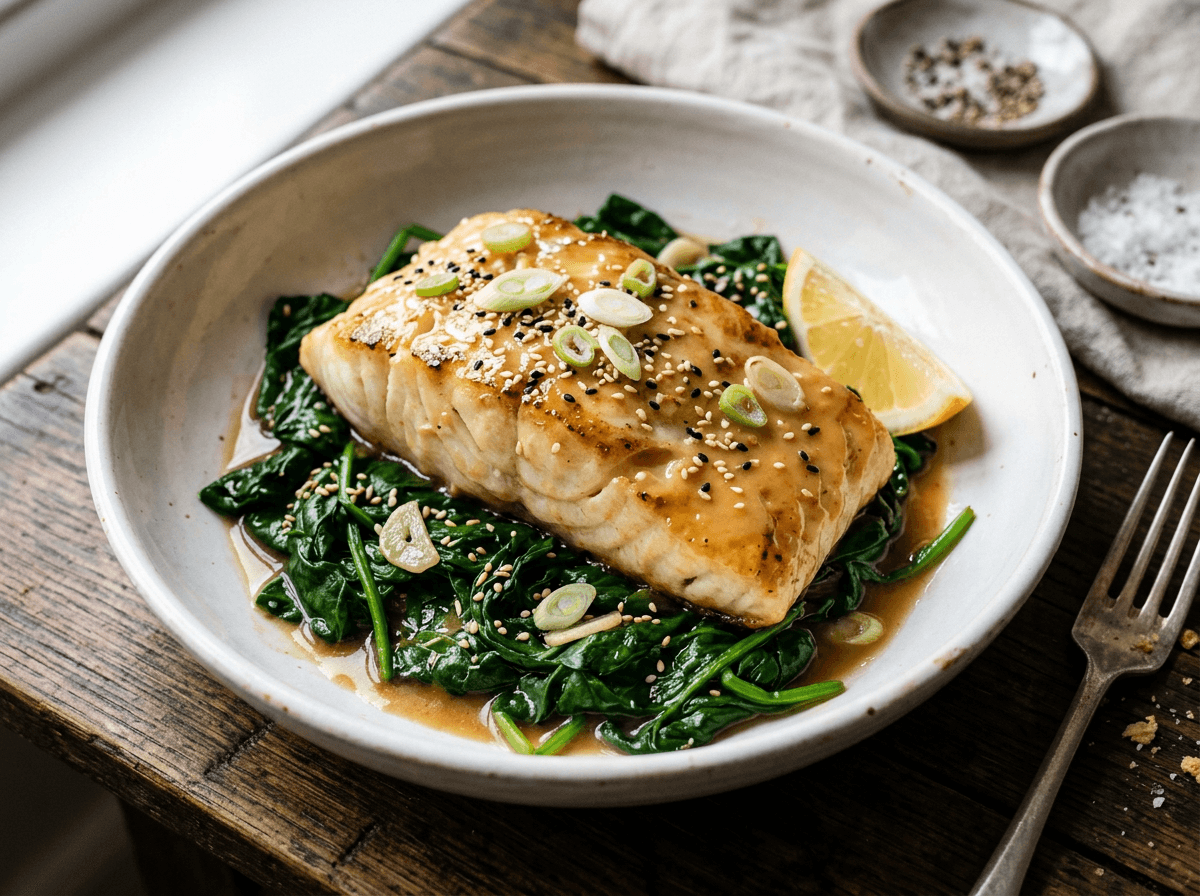
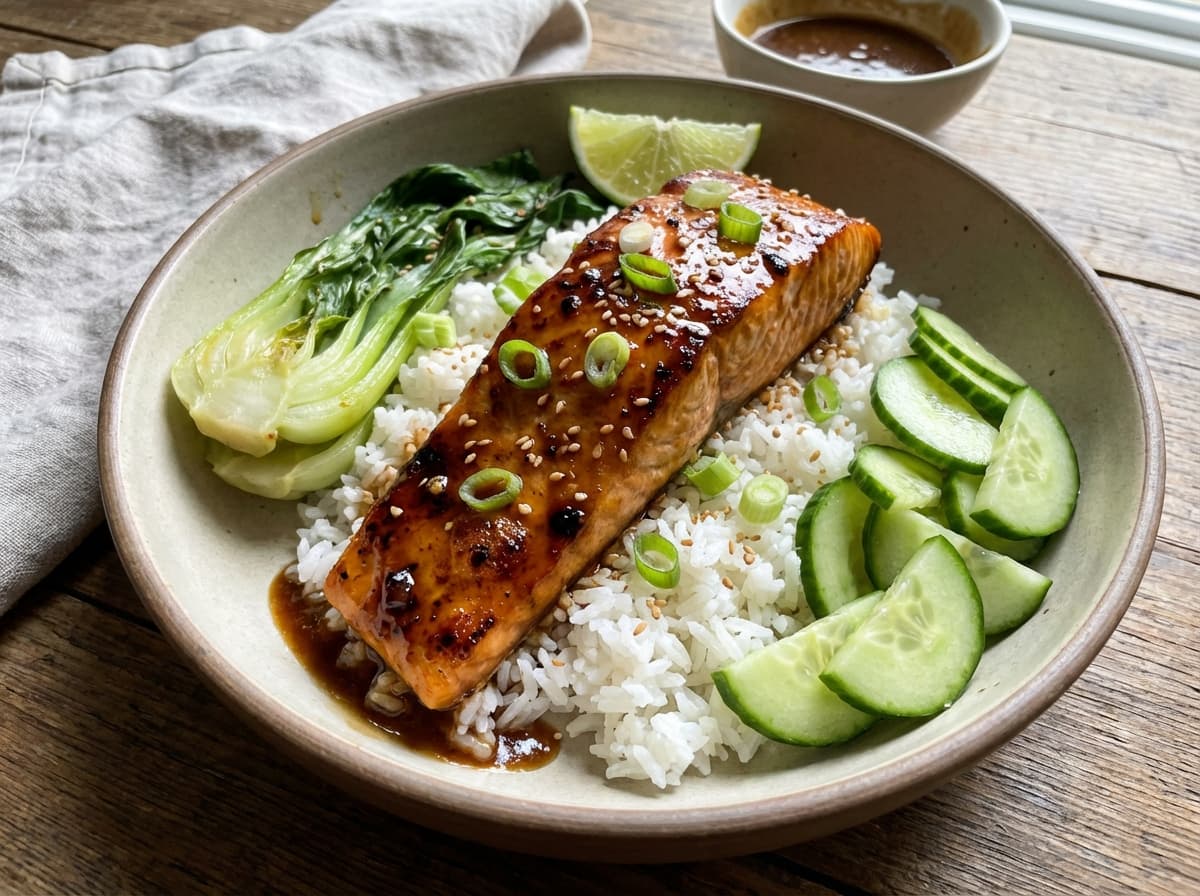
These two Japanese-inspired dinners prove a useful point: high protein does not need to mean heaviness. If you want more ideas in this vein, start with high-protein recipes that already balance richness with speed, rather than trying to retrofit protein into dishes that were never going to satisfy you.
There’s also a practical angle here. Texture is what makes leftovers survive. A curry, stir-fry or salmon bowl with a bold sauce will still taste deliberate tomorrow. A dry chicken breast won’t. If your dinner needs to pull double duty for lunch, choose proteins that improve with seasoning and retain moisture: salmon, thighs, prawns, paneer, beef mince, lentils. They are simply more forgiving than the skinless chicken-breast monoculture the internet keeps trying to sell you.
Across cuisines, the tastiest protein-rich meals lean on sauce and spice
If you’re bored of high-protein food, the problem is almost certainly geographical. Too many people stay trapped in a narrow loop of grilled meat, eggs and protein pasta, when the best protein-forward dinners are built into cuisines that have understood balance for centuries. Indian, Thai, Korean and Mexican cooking all know that protein becomes memorable when it’s coated, simmered, lacquered or tucked into something with heat and acidity.
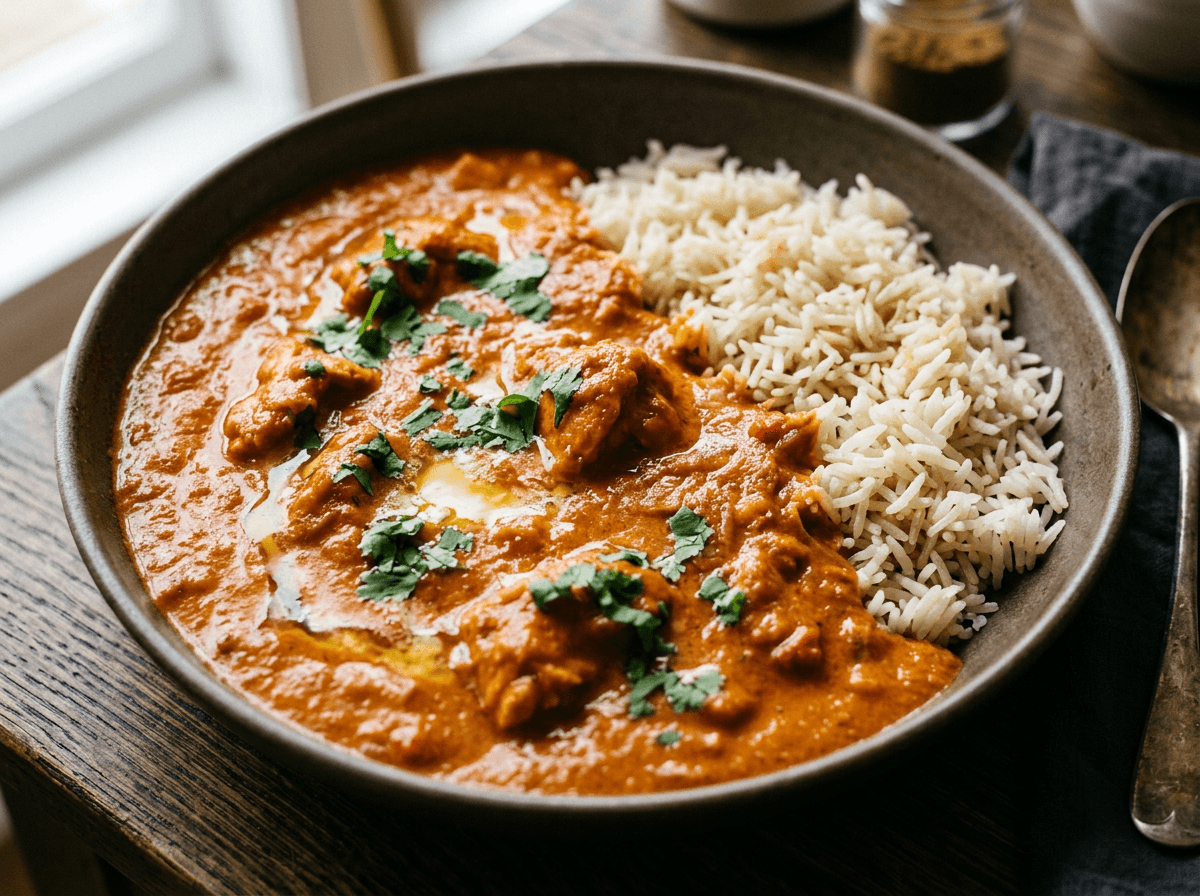
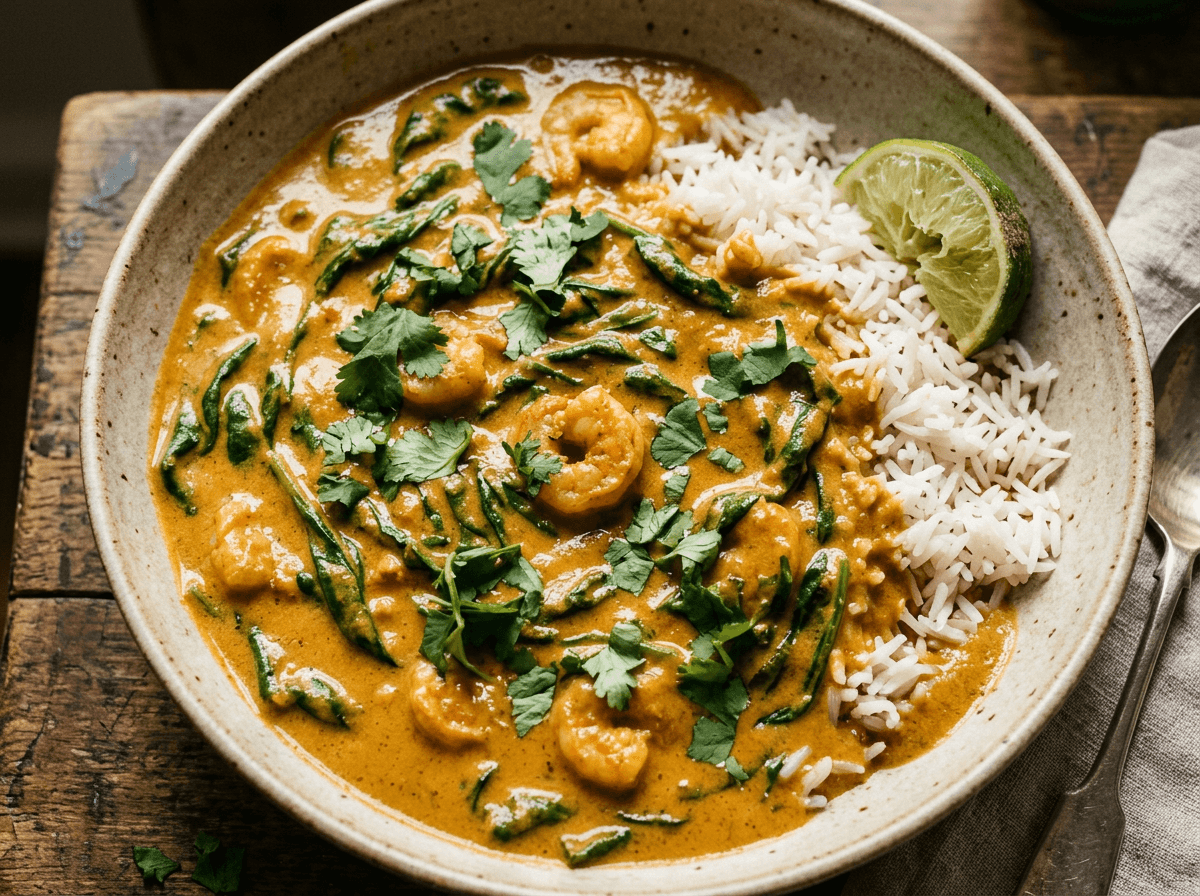
Indian food is especially good at this because it doesn’t separate flavour from nourishment. Butter Chicken Curry is ready in 42 minutes, and it works because the yoghurt, tomato, butter and spices create a sauce that clings to the chicken instead of sitting around it. Prawn Coconut Curry & Rice, also ready in 40 minutes, is another strong example. Prawns cook quickly, but they also absorb flavour fast, which makes them ideal when you want dinner to feel generous without spending all evening at the hob.
What’s underrated here is how useful these dishes are for people who think high-protein eating means cutting away pleasure. It doesn’t. It means choosing recipes where the protein belongs in the flavour architecture. Chicken in a creamy spiced sauce makes sense. Prawns in coconut curry make sense. A naked chicken breast next to a pile of leaves does not.
If you cook from healthy recipes, be careful not to confuse “healthy” with “bland”. The best healthy high-protein dinners still need fat, acid and seasoning. That could mean yoghurt in a marinade, lime over a bowl, chilli oil over tofu, or a spoonful of pickle on the side. You do not need much, but you do need something.
Thai food is another masterclass in protein that doesn’t feel dutiful. Thai Basil Beef Stir-Fry is ready in 26 minutes and tastes bigger than the time suggests because basil, chilli and savoury sauce hit fast. That’s what weeknight protein should do: arrive with impact. A stir-fry like this is also proof that speed and flavour are not opposing forces. In fact, the shorter the cooking, the more vivid the dish often tastes.
This is exactly why cuisine variety matters. Italian gives you richness, Indian gives you spice depth, Thai gives you sharpness, Korean gives you sweet heat, and Mexican gives you smoke and acidity. Once you spread your protein dinners across those flavour profiles, repetition disappears without you needing to invent a whole new routine every week.
Vegetarian high-protein dinners need structure, not fake meat energy
Vegetarian high-protein dinners often go wrong because they chase imitation instead of identity. You do not need to force every meat-free meal to behave like chicken. In fact, the most satisfying vegetarian protein dinners are the ones that use ingredients with their own texture and flavour logic: paneer for chew, tofu for crisp edges, lentils for body, beans for creaminess, halloumi for salt and resistance.
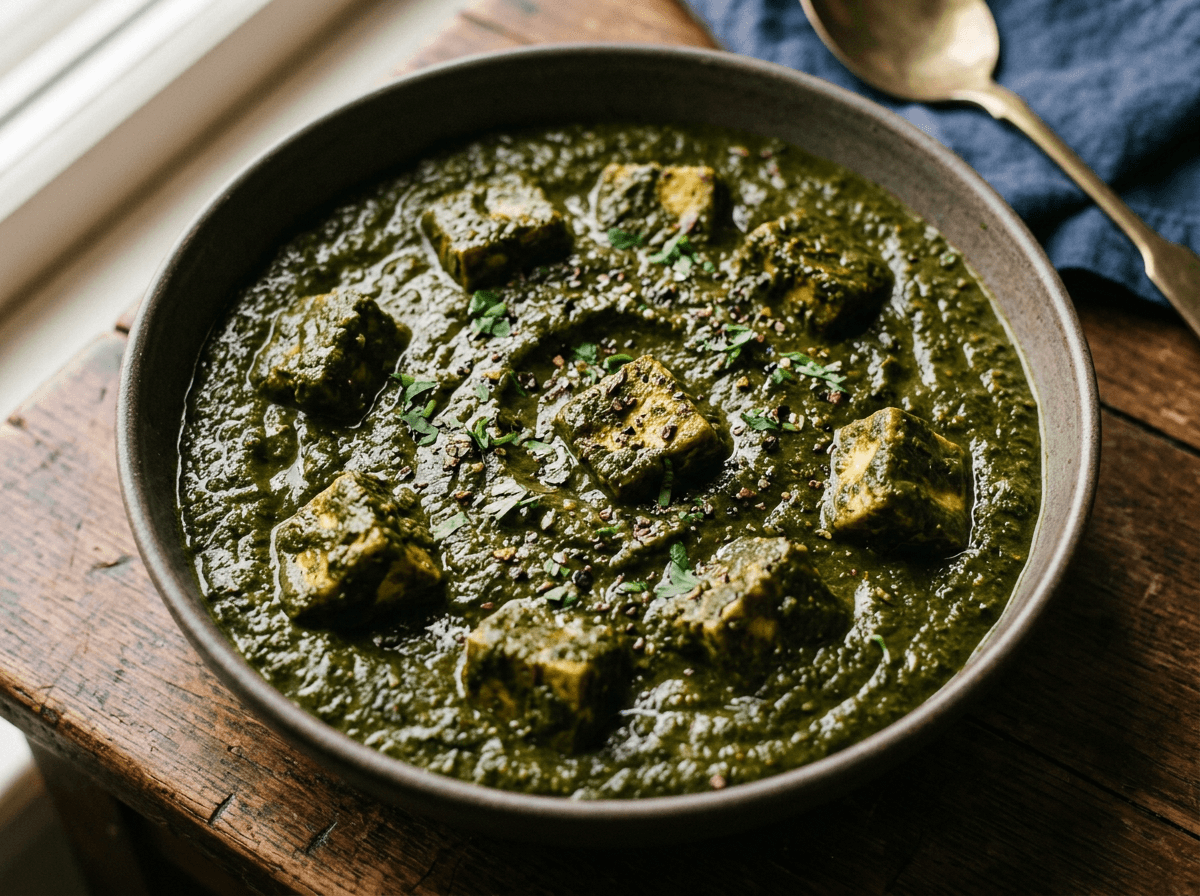
Paneer is especially useful because it solves a problem many vegetarian dinners have: softness. Vegetables, rice and sauce can quickly collapse into one texture. Paneer gives a dish shape. Saag Paneer Curry is ready in 40 minutes, and that combination of spinach and paneer works because the spinach is silky while the paneer stays distinct. It tastes like a complete meal, not a compromise.
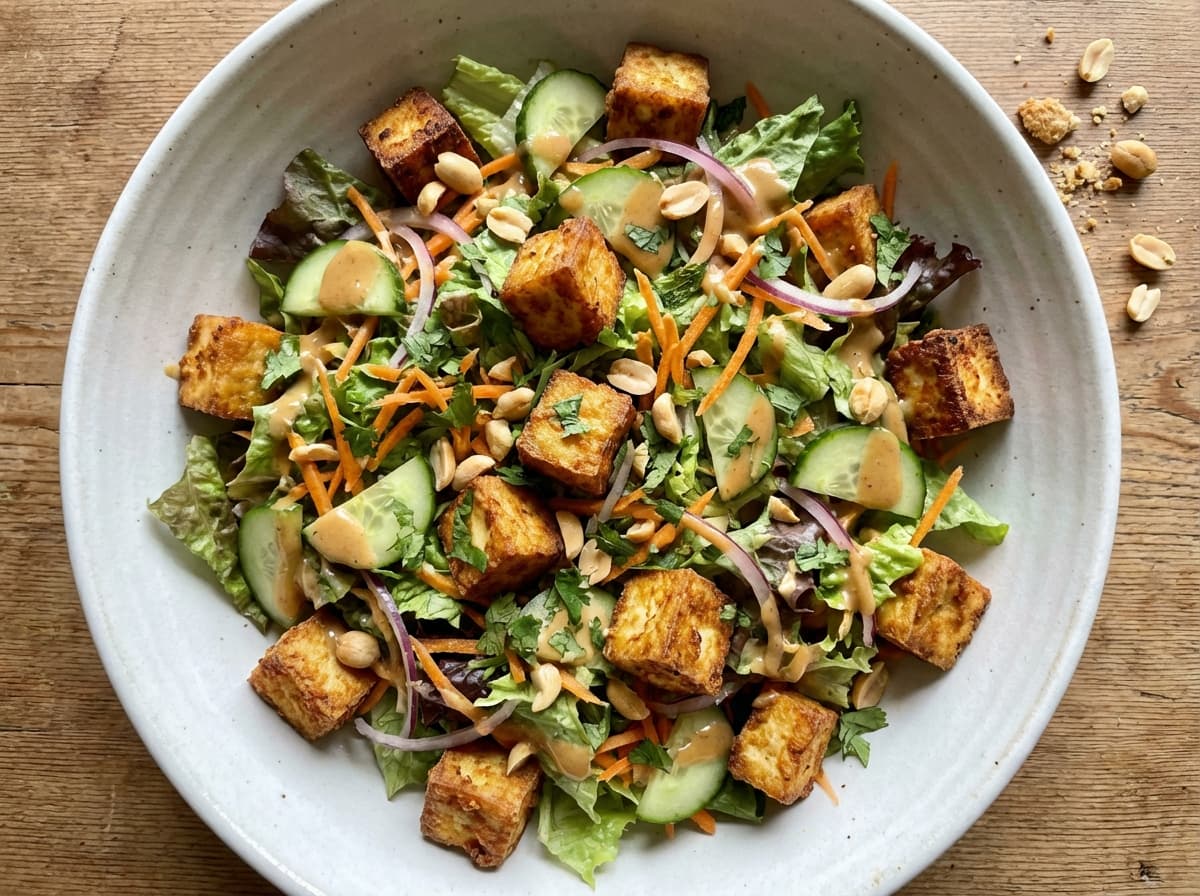
Tofu needs a firmer hand. The mistake is treating it gently and hoping for the best. Tofu is at its best when dried properly, cooked hot and paired with assertive ingredients. Crispy Tofu & Peanut Salad is ready in 40 minutes and gets this right. Peanut brings fat, crunch and savoury depth; the tofu provides the protein; the vegetables keep the whole thing from becoming heavy. That’s a proper dinner, not wellness content.
Lentils and beans deserve more respect here too. They are often dismissed because they don’t look “gym-friendly”, which is absurd. Dal, butter beans and chickpeas are not only useful protein sources; they are often better dinner ingredients because they bring fibre and starch with them. That means they satisfy in a more complete way. If you’re browsing healthy recipes or high-protein recipes, don’t skip meat-free options just because the protein source isn’t obvious at first glance.
There’s also a strategic point about vegetarian protein: use toppings aggressively. A spoon of Greek yoghurt, toasted seeds, chilli crisp, chopped herbs, pickled onions or crushed peanuts can move a dish from worthy to excellent in under a minute. This matters because many vegetarian meals already have enough protein potential; what they lack is contrast.
If your week is chaotic, this is where a planning app can genuinely help rather than nag. Eatpace can match dinners to your dietary preferences and available time, then let you swap instantly if you’re suddenly not in the mood for tofu on Thursday. That flexibility is far more realistic than pretending you’ll want the same style of dinner every night.
Macro-friendly dinners work best when they feel like normal food
The phrase “macro-friendly” has done terrible things to dinner. It has encouraged people to think in isolated numbers rather than meals, which is how you end up eating joyless bowls that technically fit your targets and spiritually ruin your evening. The better approach is to start with dishes that already have a sensible structure: a clear protein source, enough carbohydrate to make the meal satisfying, and a sauce or garnish that gives it a point of view.
A Korean-style bowl is an excellent example because it naturally balances these things. Korean Beef Bulgogi Bowl is ready in 30 minutes, and it works because the beef is sweet, salty and savoury enough to carry the whole meal. You don’t need to strip it back to make it “clean”. You need to keep the portions sensible and the flavour high. The same goes for Chicken Gyros Bowl, ready in 40 minutes. The protein is obvious, but the reason you’ll actually want to eat it is the contrast between seasoned chicken, fresh salad elements and something creamy or tangy to tie it together.
What many people miss is that macro-friendly does not mean low-fat at all costs. A little fat often makes a high-protein dinner more effective because it slows you down and makes the meal feel complete. That could be a yoghurt sauce with gyros, sesame in a bowl, or a slick of chilli oil over lean meat. Remove every pleasant element and you’ll be in the kitchen looking for snacks 90 minutes later.
For weeknights, the smartest system is to divide your dinners by effort rather than by nutrient label. Keep two genuinely fast options, two moderate-cook meals, and one slower comfort dish if you enjoy cooking at the weekend. That might mean a 26-minute stir-fry on Tuesday, a 40-minute bowl on Thursday, and a richer curry on Saturday. It is a much more durable way to eat well than trying to make every dinner equally “perfect”.
If you need a shortcut, quick dinner recipes are worth browsing alongside high-protein recipes. Speed matters because the best dinner plan is the one you’ll still follow when work runs late, somebody cancels, or you realise at 6.45 pm that you have no interest in chopping six separate vegetables.
The practical appeal of Eatpace is that it handles exactly this kind of friction. You can create a week, get 3 to 7 dinners matched to your preferences, and swap any meal for something similar, faster, lighter or completely different. That is a much saner system than white-knuckling your way through a rigid plan built around ideal behaviour.
The smartest high-protein dinner routine is built around appetite, not discipline
Most people don’t fail at eating enough protein because they lack information. They fail because they build a dinner routine for their most organised self, then try to follow it on a Wednesday when they’re tired, hungry and one minor inconvenience away from ordering chips. A useful high-protein routine has to account for appetite swings, time pressure and the fact that some nights you want a bowl, while other nights you want something saucy and comforting.
That means matching dinner style to real life. On nights when you’re ravenous, choose meals with obvious savoury depth and enough bulk to feel grounding: curries, bowls, stir-fries with rice, protein plus a proper starch. On nights when you want something lighter, choose fish, prawns or tofu with sharp dressings and greens. The mistake is serving yourself a light dinner when what you actually want is comfort, then blaming your willpower when toast appears an hour later.
A good routine also rotates proteins by how they behave, not just by category. Beef and lamb are best when you want intensity. Chicken is a blank canvas and needs help from marinades, spice or char. Prawns are for speed. Salmon and cod are ideal when you want a dinner that feels clean but still rich. Paneer and tofu are there to break monotony, not fill a quota. Once you think this way, your meals become more deliberate and far less repetitive.
There is also no prize for cooking from scratch every single night. Batch-cook one sauce, one curry or one tray of seasoned protein and let the rest of the week riff on it. Leftover bulgogi-style beef can go into rice one night and lettuce cups the next. Extra paneer can become wraps with chutney and salad. Cooked chicken can shift from gyros to grain bowl with almost no extra effort if the seasoning is strong enough.
This is why the best dinner planning tools are not the ones that push inspiration. They’re the ones that reduce resistance. If your meals are flavourful, varied and easy to swap when the week changes shape, you’re far more likely to keep eating in a way that supports your goals without turning dinner into homework.
How much protein should a dinner have if I’m trying to eat more protein?
What are the best vegetarian protein sources for dinners that actually feel filling?
Are macro-friendly dinners always low-carb?
How can I tell if a high-protein recipe will actually keep me full?
Can I use an automatic weekly dinner planner for high-protein eating?
In this article
Plan your week in 30 seconds
Eatpace generates a personalised dinner plan for you. Free to try.
Download the app